Exploring Tulum
Exploring Tulum
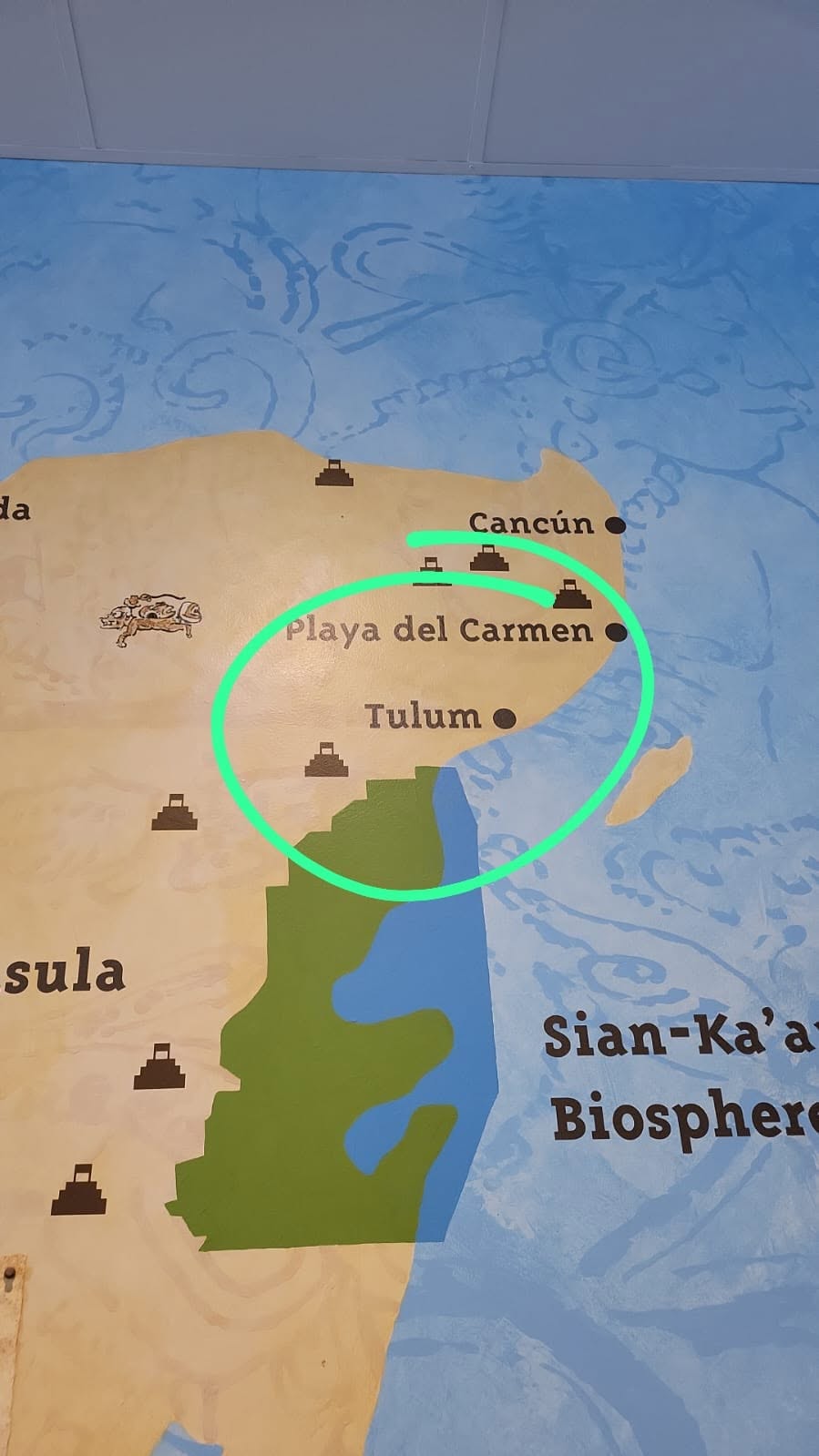
Tulum had a little bit of everything I look for in a trip: history, food, warm Caribbean water, unique landscapes, and enough surrounding places to make every day feel different. We used Tulum as our base, but the trip stretched well beyond the beach. Over the course of the trip, we explored ancient Maya cities, swam through cenotes, snorkeled with sea turtles and stingrays, spent time on some of the area’s best-known beaches, and ate everything from casual burritos to open-fire cooking in the jungle.
What made the trip especially memorable was the contrast between everything we experienced. One morning could begin beside the ocean, the afternoon could be spent underground in a limestone cavern, and the next day we could be walking through ruins that had stood for centuries.
Hotel: Hotel Mereva Tulum
Rental car: Hertz
Maya ruins: Tulum, Cobá, and Chichén Itzá
Cenotes: Ik Kil, Casa Tortuga, Suytun, and Yaxmuul
Beaches: Playa Paraíso, Playa Pescadores, and Akumal
Food and drinks: ARCA, Cinco Beach Club, RosaNegra, and Burrito Amor
Other experiences: Snorkeling with sea turtles and stingrays and a massage on the hotel dock
Hotel Mereva Tulum
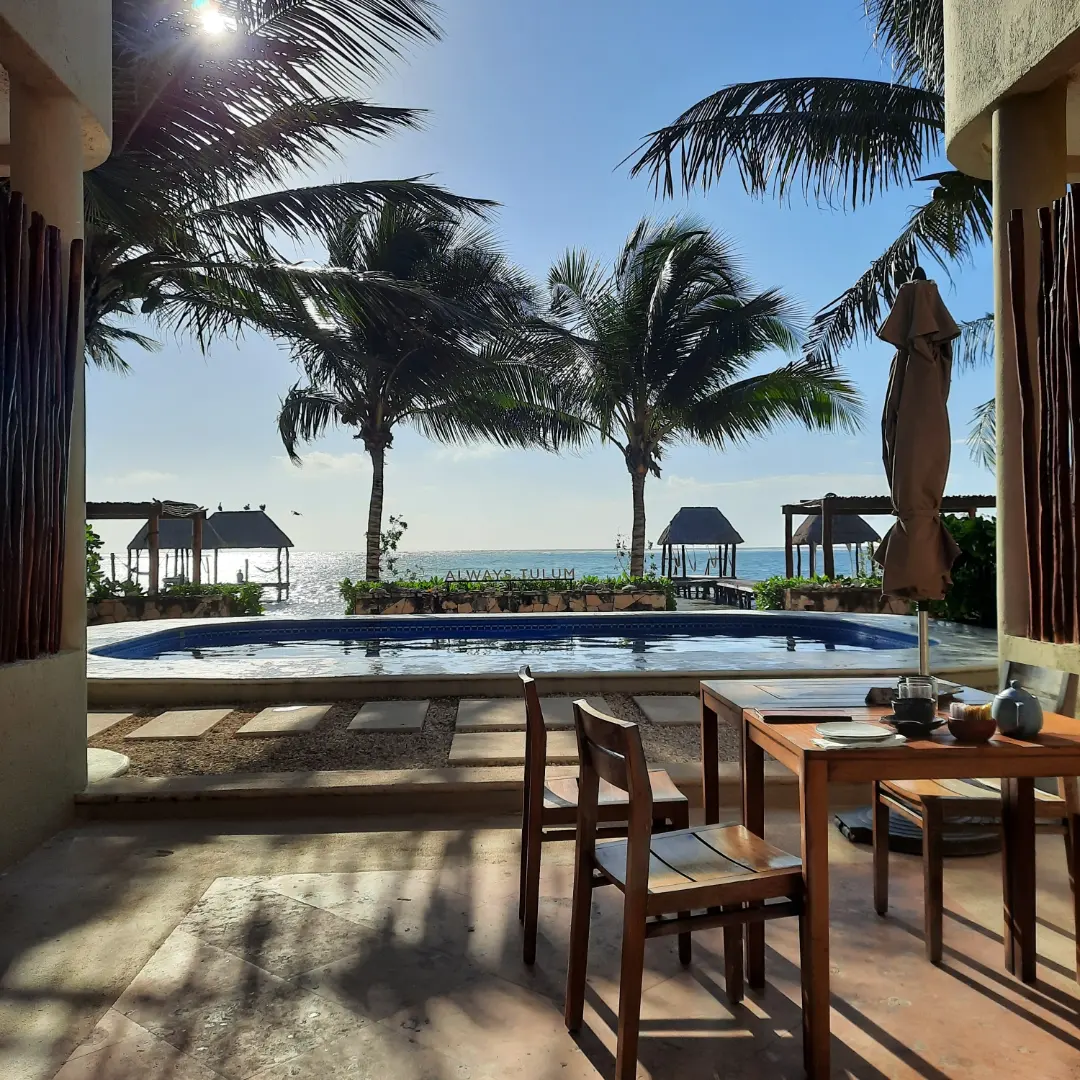
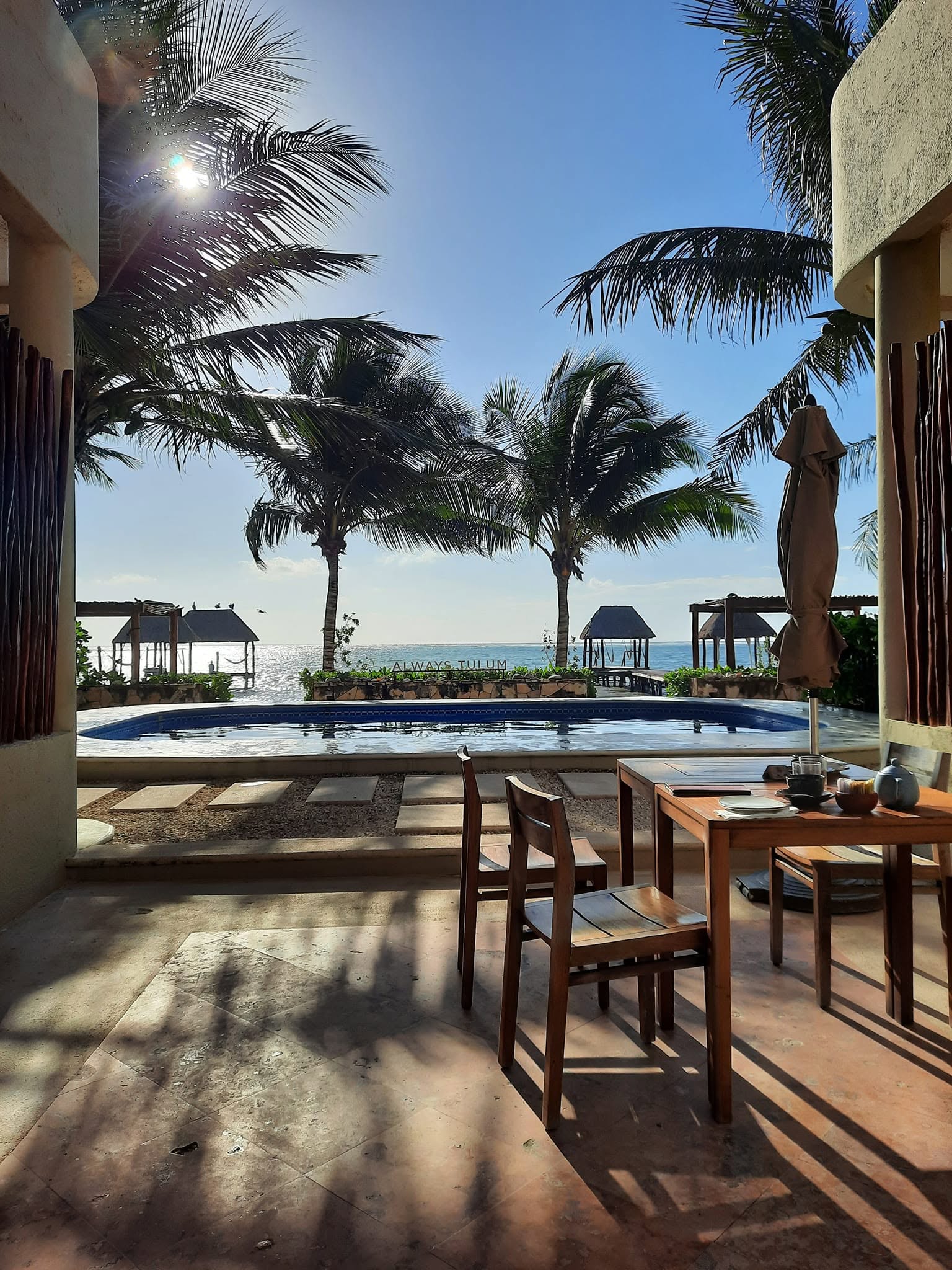
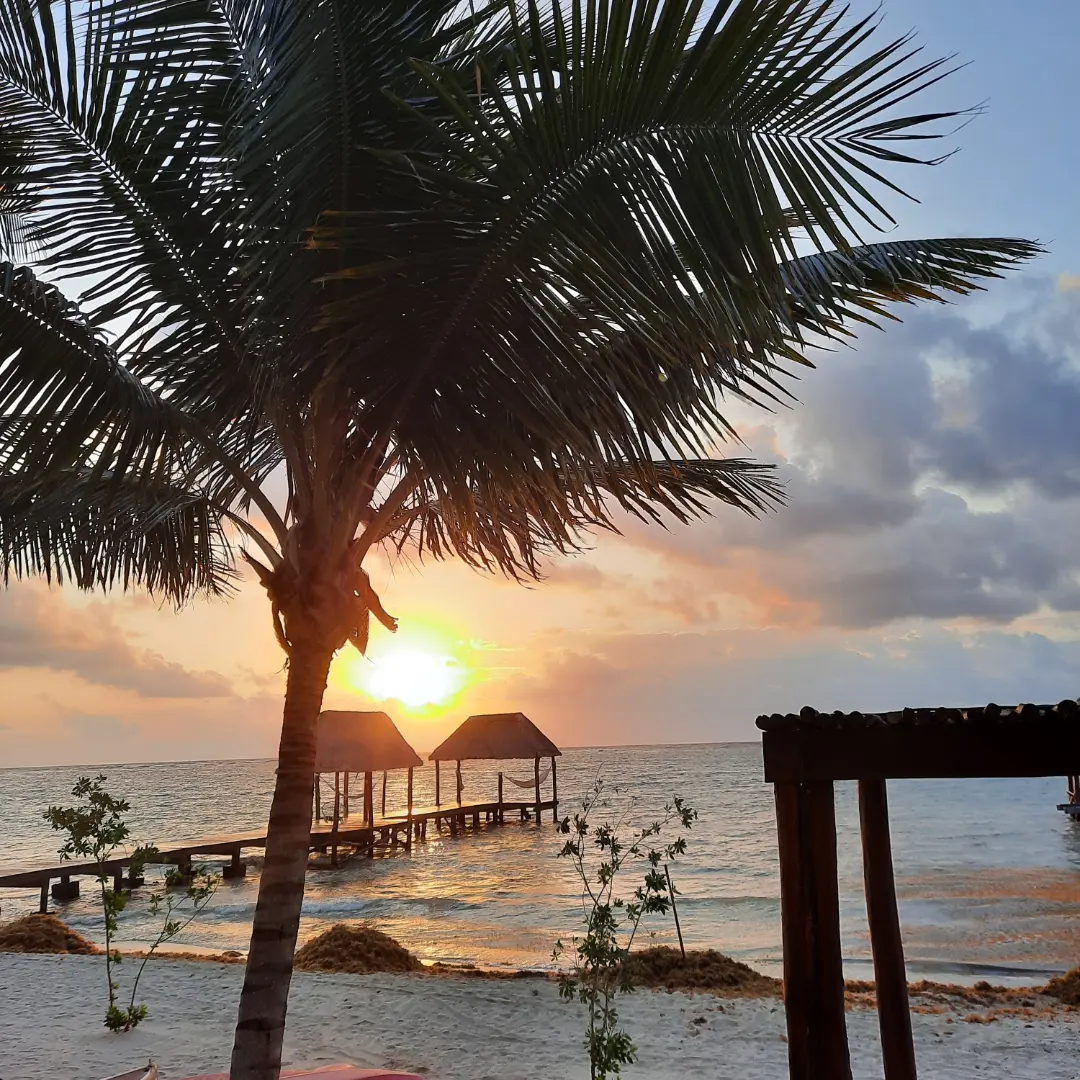
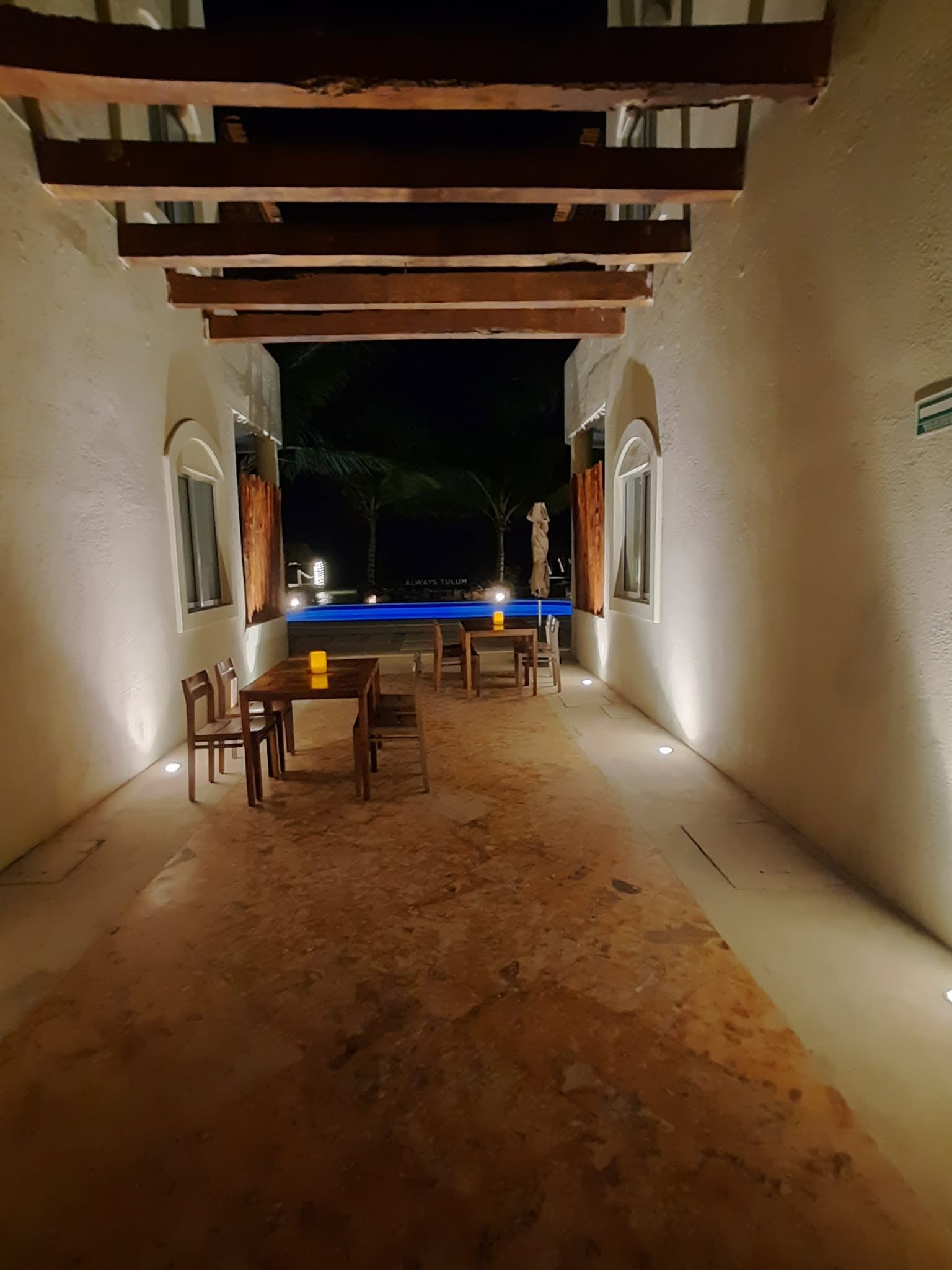
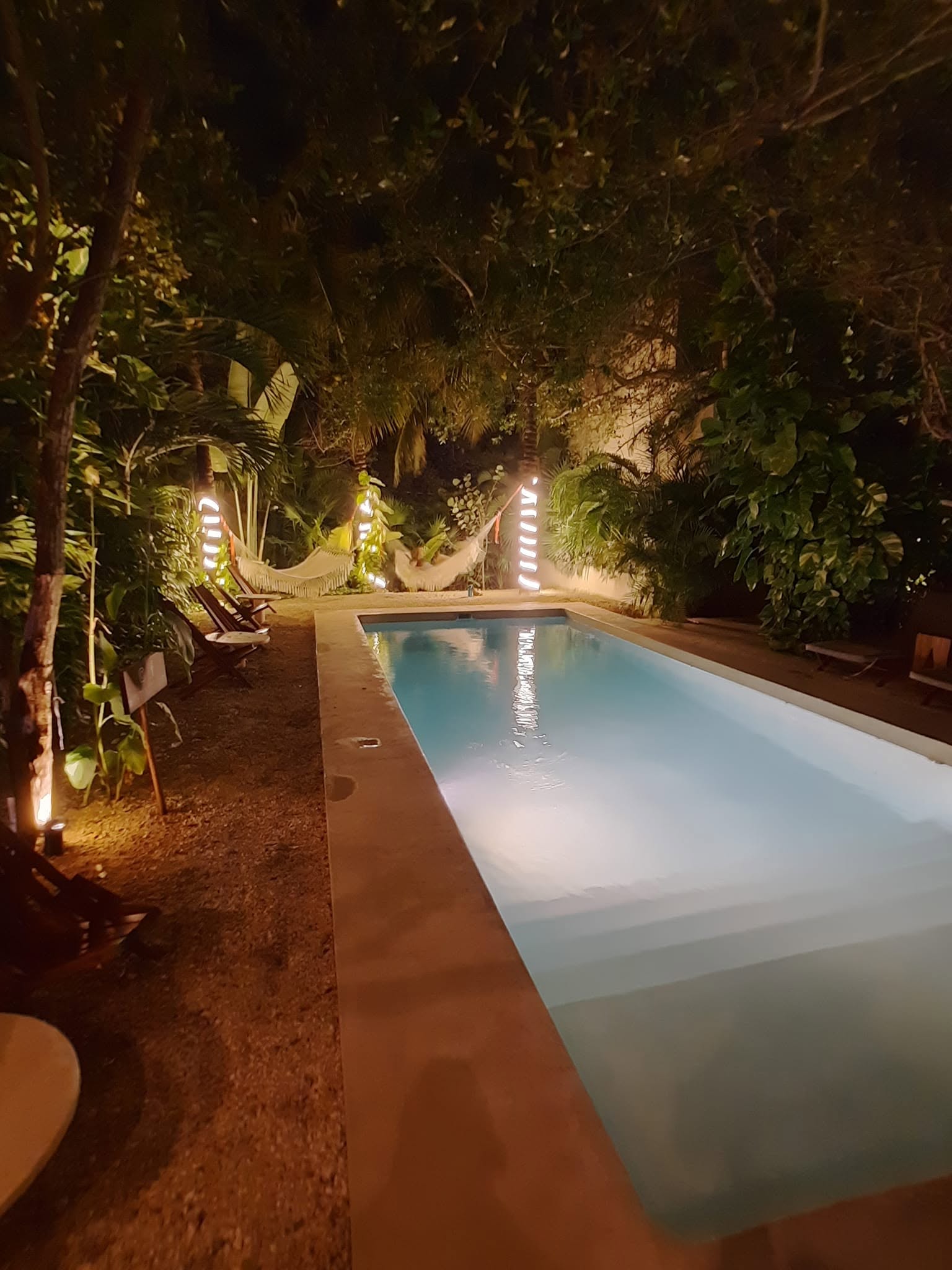
Our base for the trip was Hotel Mereva Tulum, a quieter beachfront hotel on Tankah Bay just north of the main Tulum hotel zone. Staying outside the busiest part of Tulum gave us a more relaxed place to come back to after spending the day exploring.
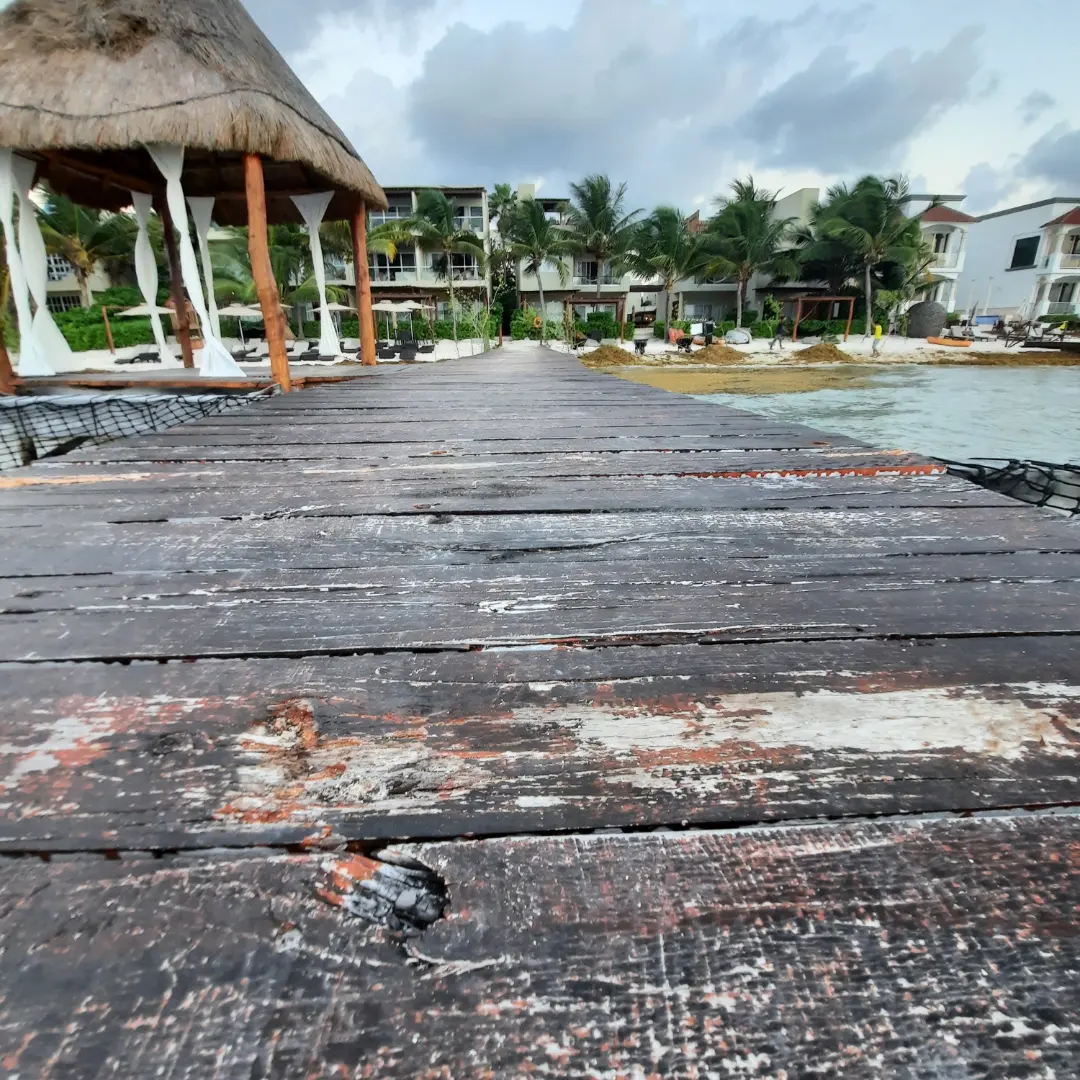
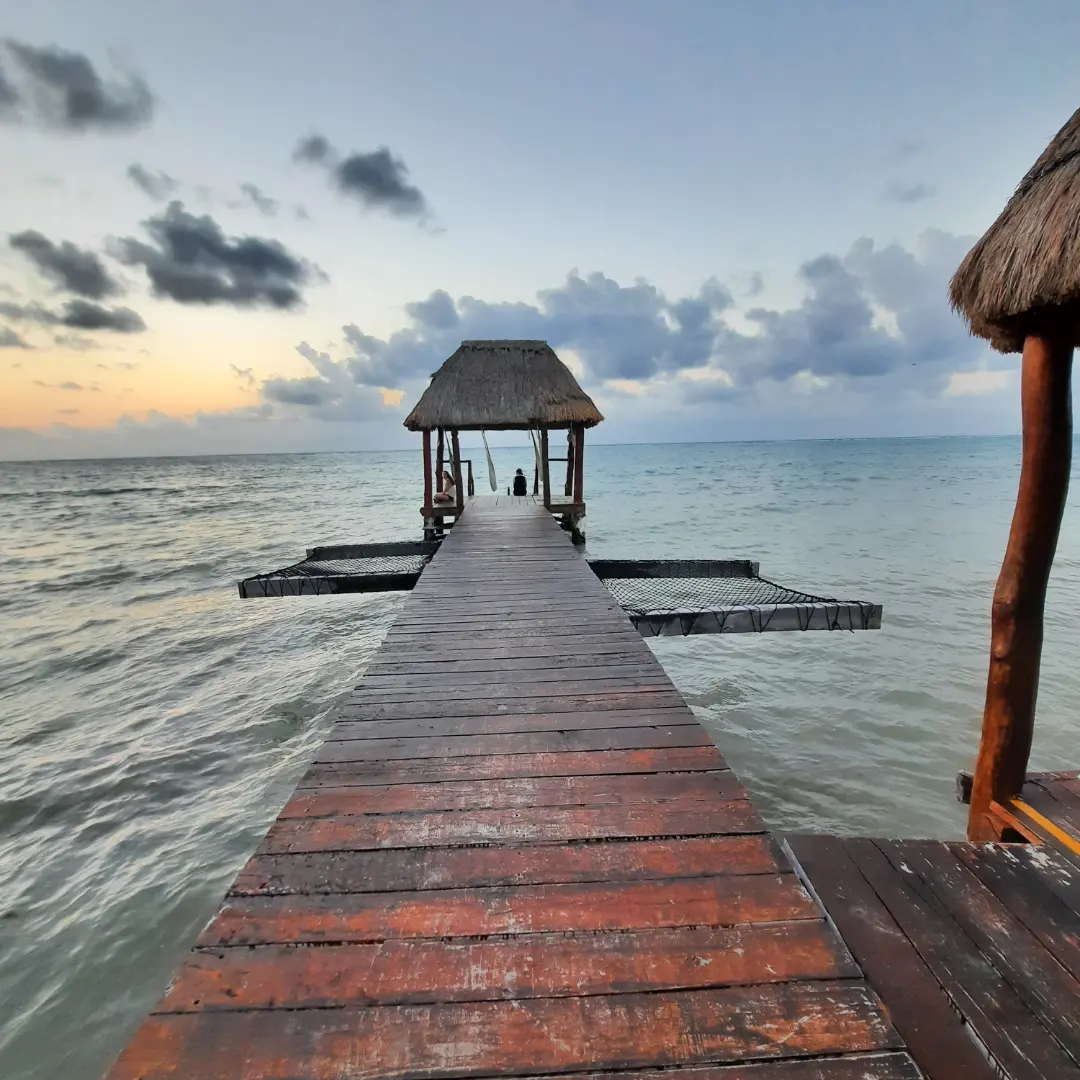
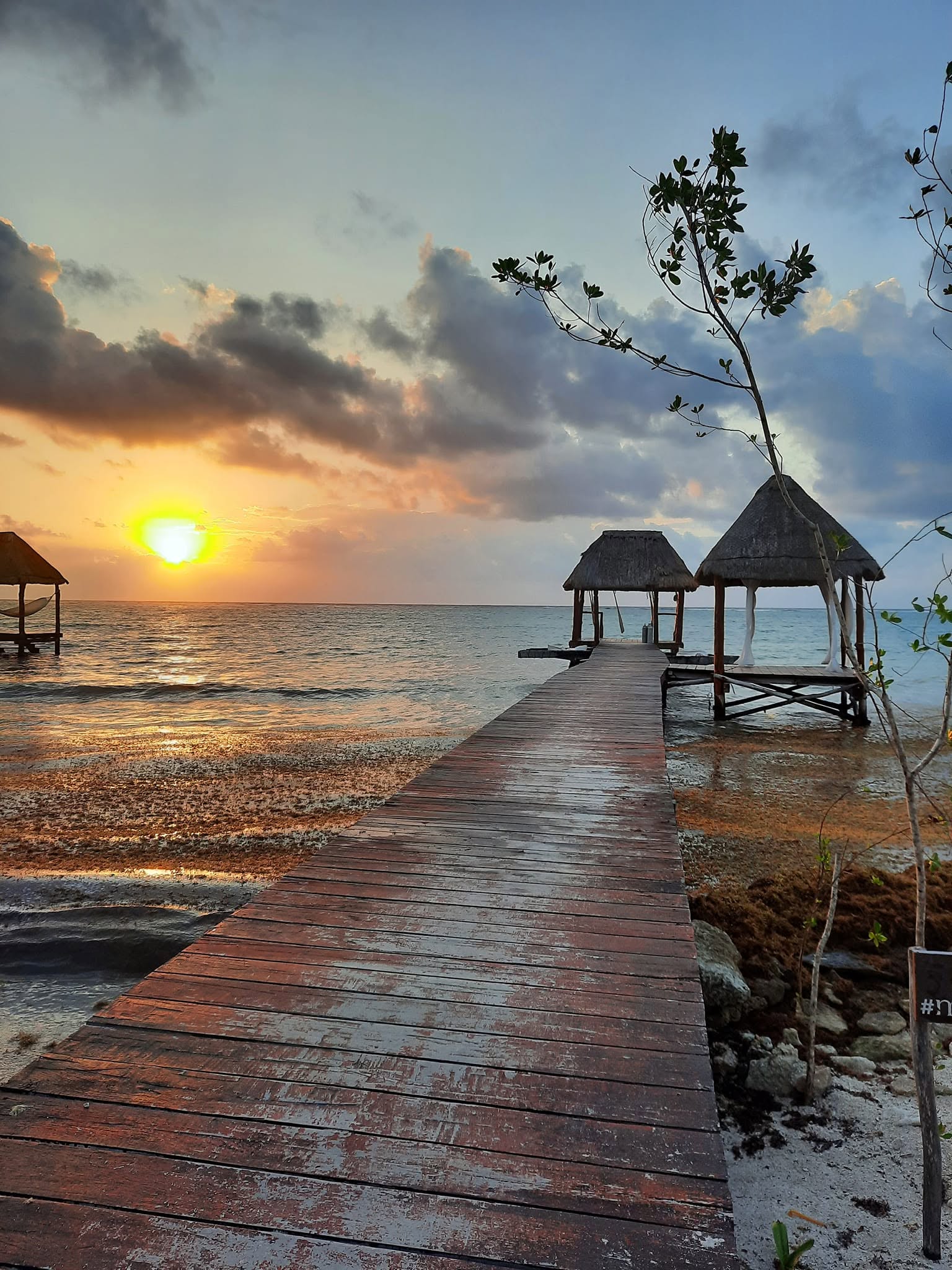
The hotel sits directly along the Caribbean, and a lot of the experience revolved around the water. There was a dock extending out over the bay, views of the ocean from the property, and some incredible sunsets in the evening. The hotel felt especially peaceful at night when the lights came on around the property and the water disappeared into the darkness beyond the dock.
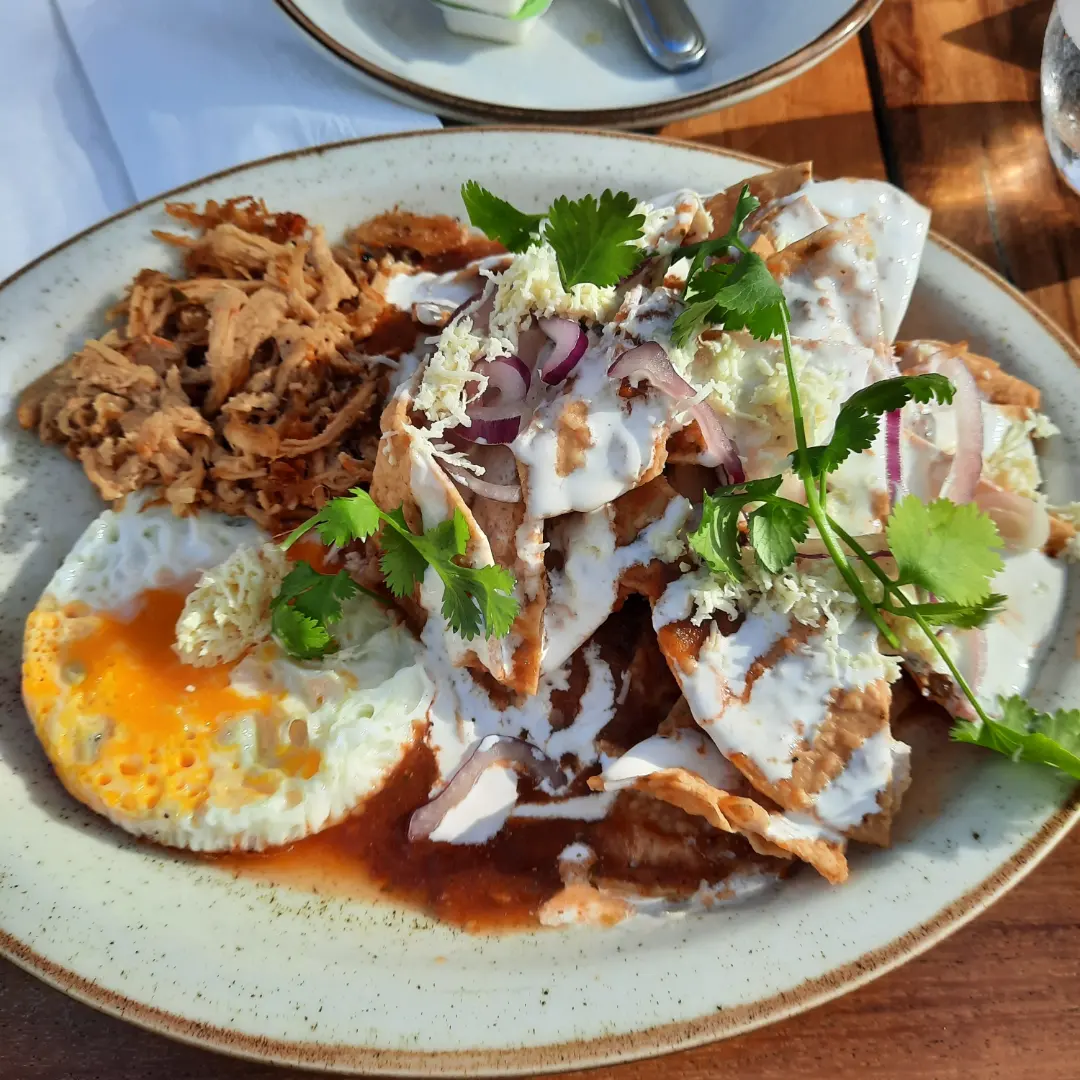
Breakfast at the hotel became part of the routine before heading out for the day. Some days were long drives to ruins or cenotes, so having a slower breakfast beside the water was a nice contrast to everything we packed into the rest of the trip.
One of the most relaxing experiences of the trip was getting a massage out on the ocean dock. With the sound of the water underneath us and the Caribbean stretching out in every direction, it was about as far removed from a normal massage room as possible.
Getting Around
We rented a car from Hertz, which ended up being one of the most useful decisions of the trip. Tulum itself is only one part of what there is to see in the region, and several of the places we wanted to visit were spread across Quintana Roo and neighboring Yucatán.
Having a car gave us the flexibility to visit places such as Cobá, Chichén Itzá, Ik Kil, and Suytun without organizing every day around a tour bus. It also made it easier to combine destinations, stop when we wanted, and explore beyond the main Tulum beach corridor.
Maya Ruins
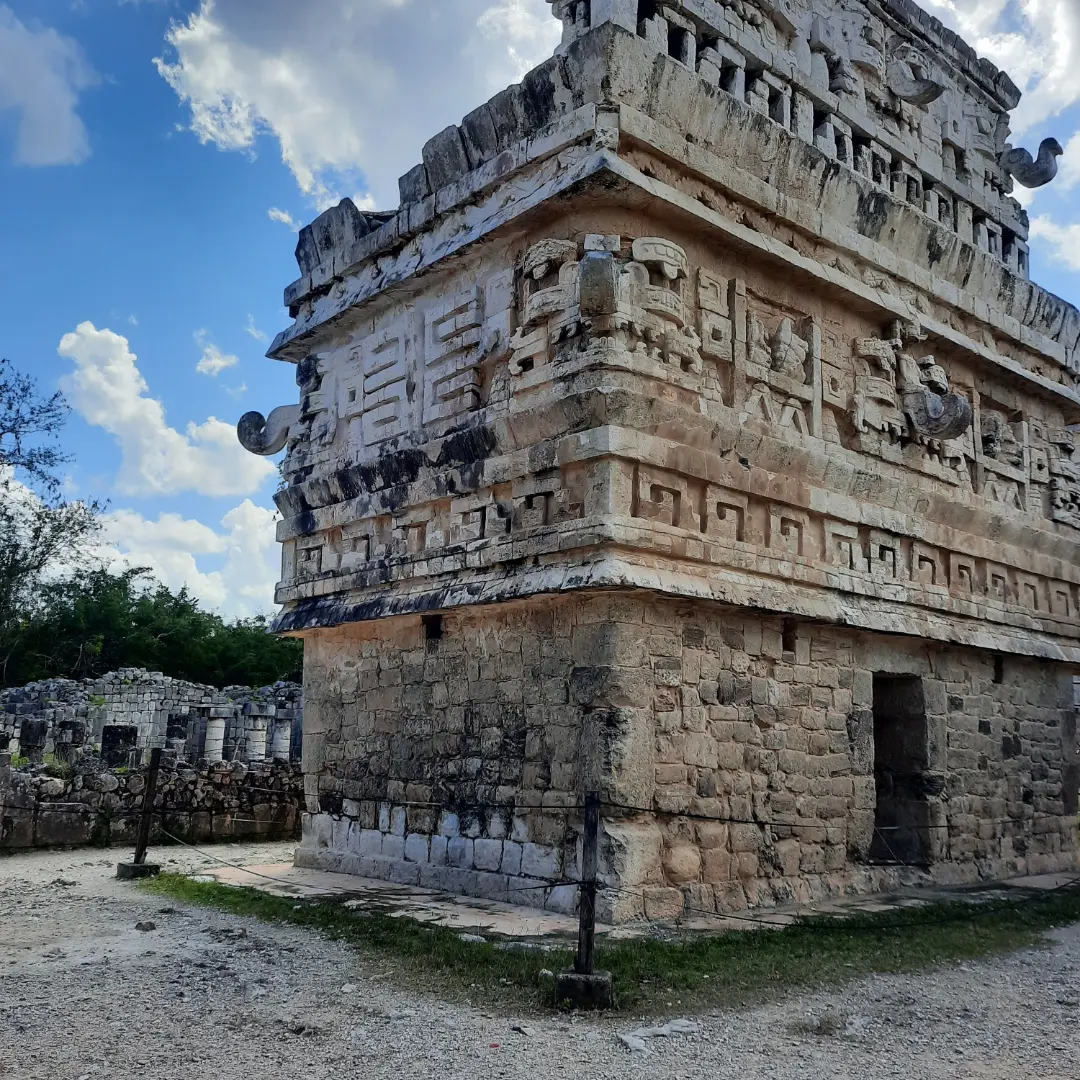
One of the main reasons I wanted to explore this part of Mexico was the concentration of Maya archaeological sites. We visited Tulum, Cobá, and Chichén Itzá, and each felt very different from the others.
Tulum was defined by the Caribbean. Cobá felt more absorbed into the jungle. Chichén Itzá had the scale and monumental architecture of a major ancient city. Seeing all three made it easier to appreciate that Maya civilization was not represented by a single type of settlement or architectural style.
Tulum Ruins
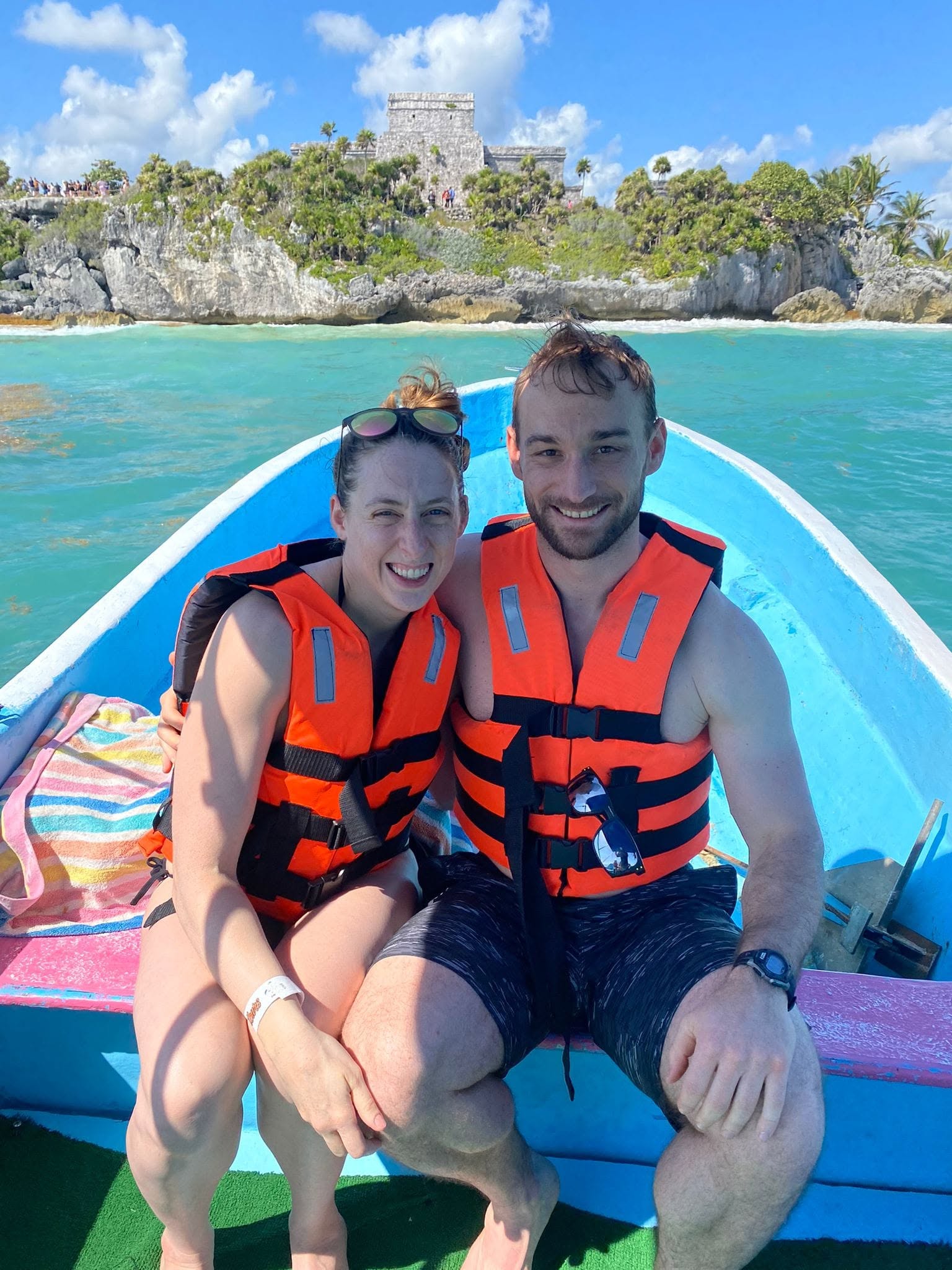
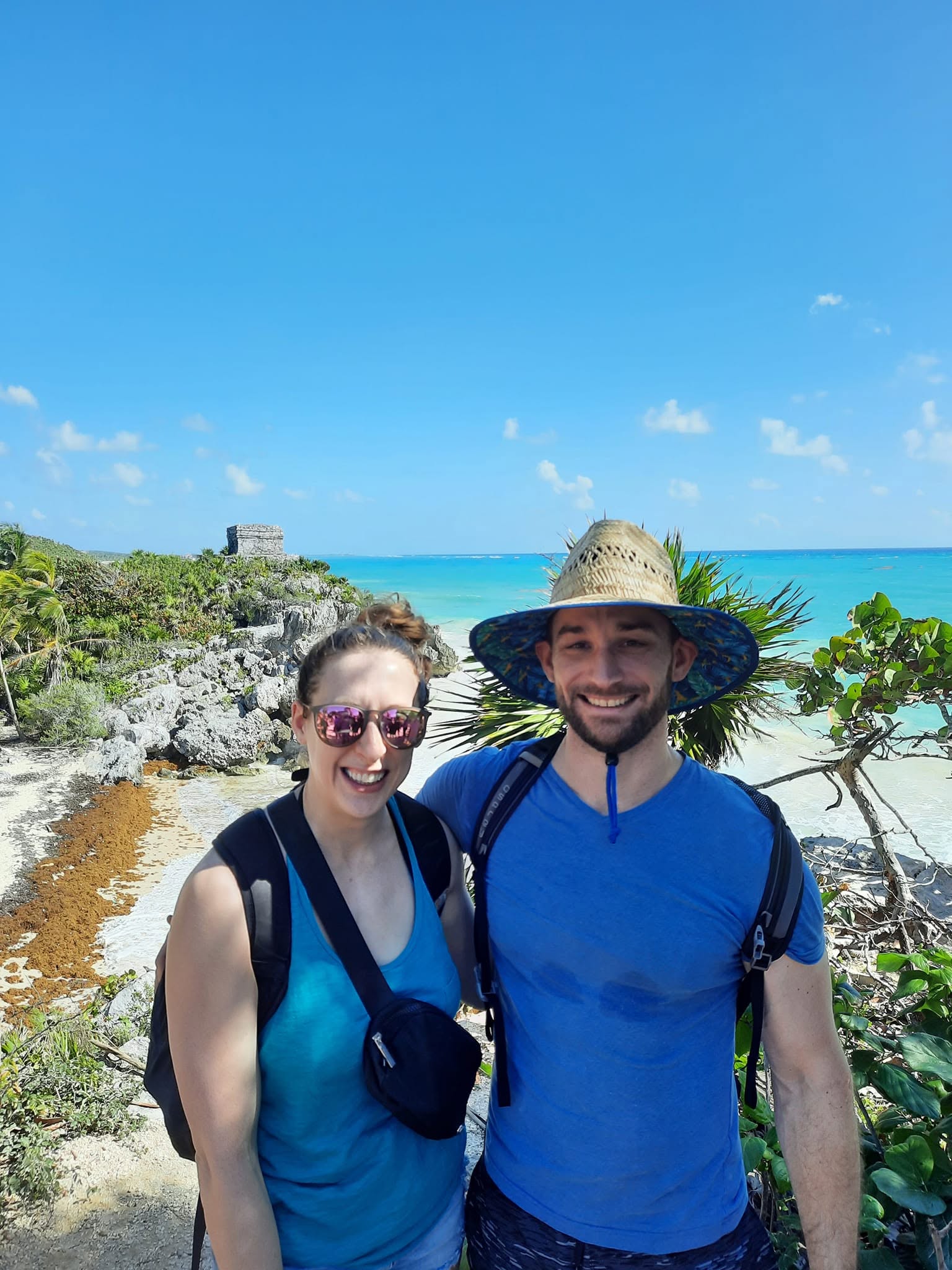
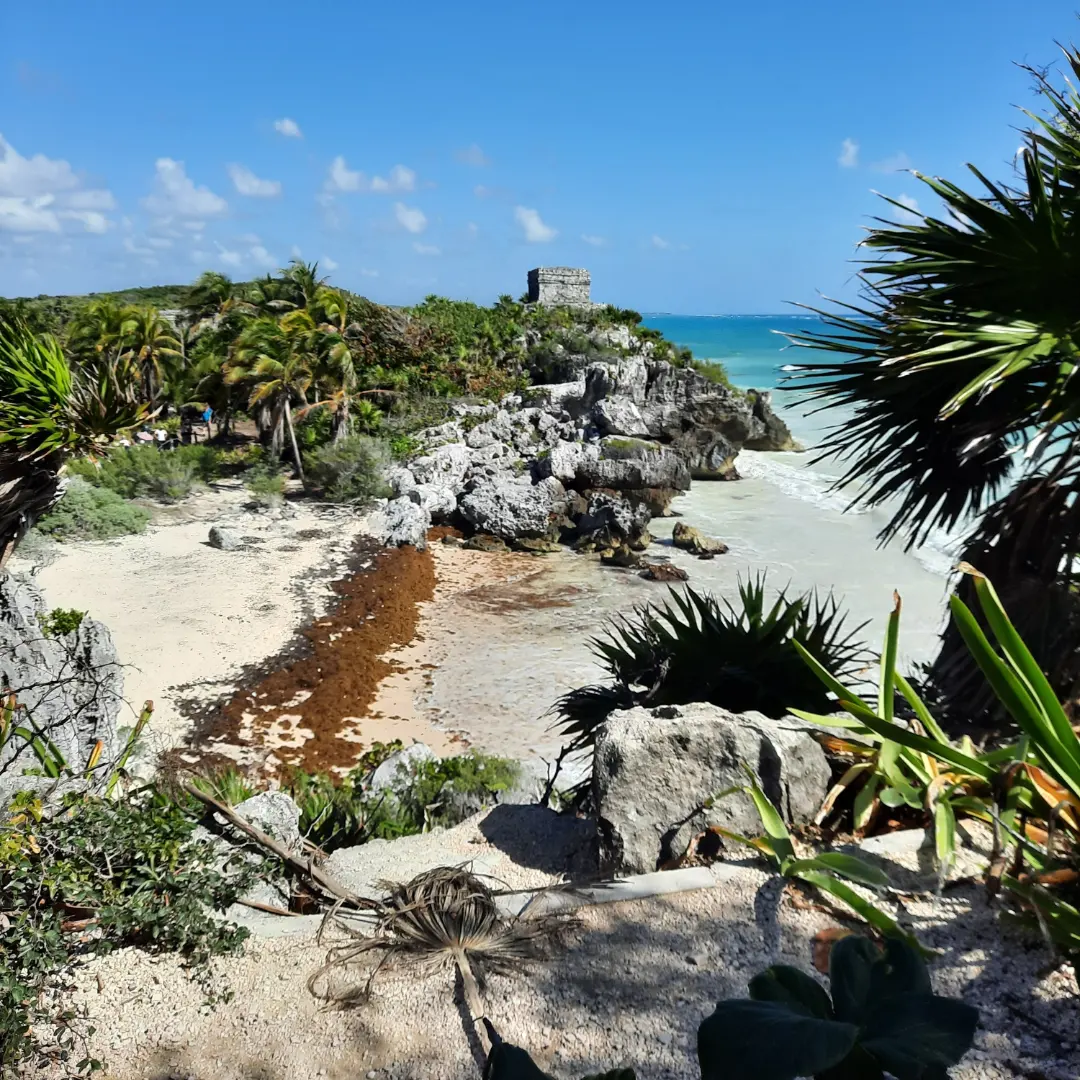
The Tulum Ruins are unusual because of their setting. The ancient walled city sits on limestone cliffs directly above the Caribbean Sea, giving the site a combination of archaeology and scenery that is difficult to separate.
The city was known in historical sources as Zamá, a Maya word associated with dawn, while the later name Tulum refers to the wall surrounding the settlement. Much of what is visible today dates to the Postclassic period, when Tulum was an important coastal center connected to trade routes along the Caribbean.
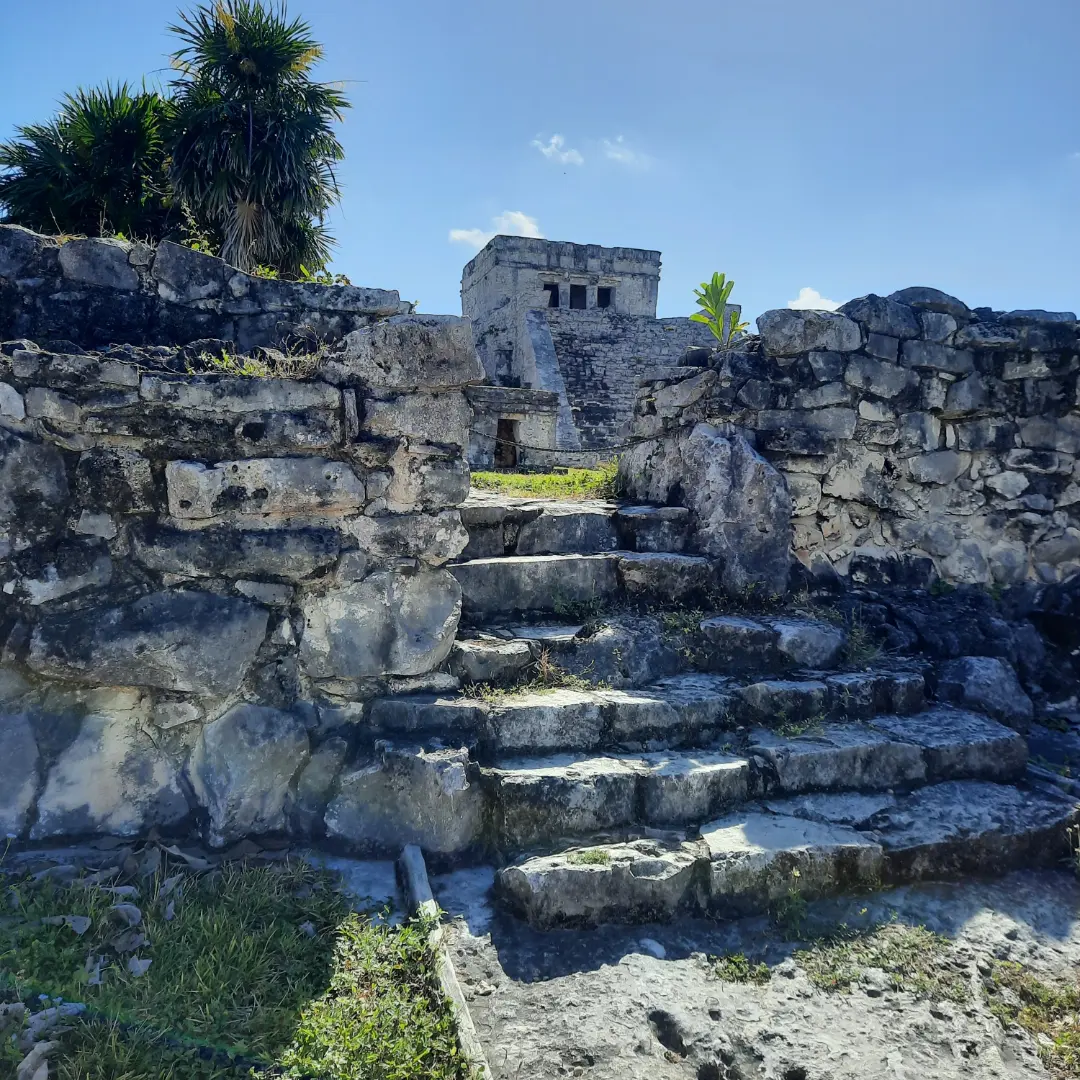
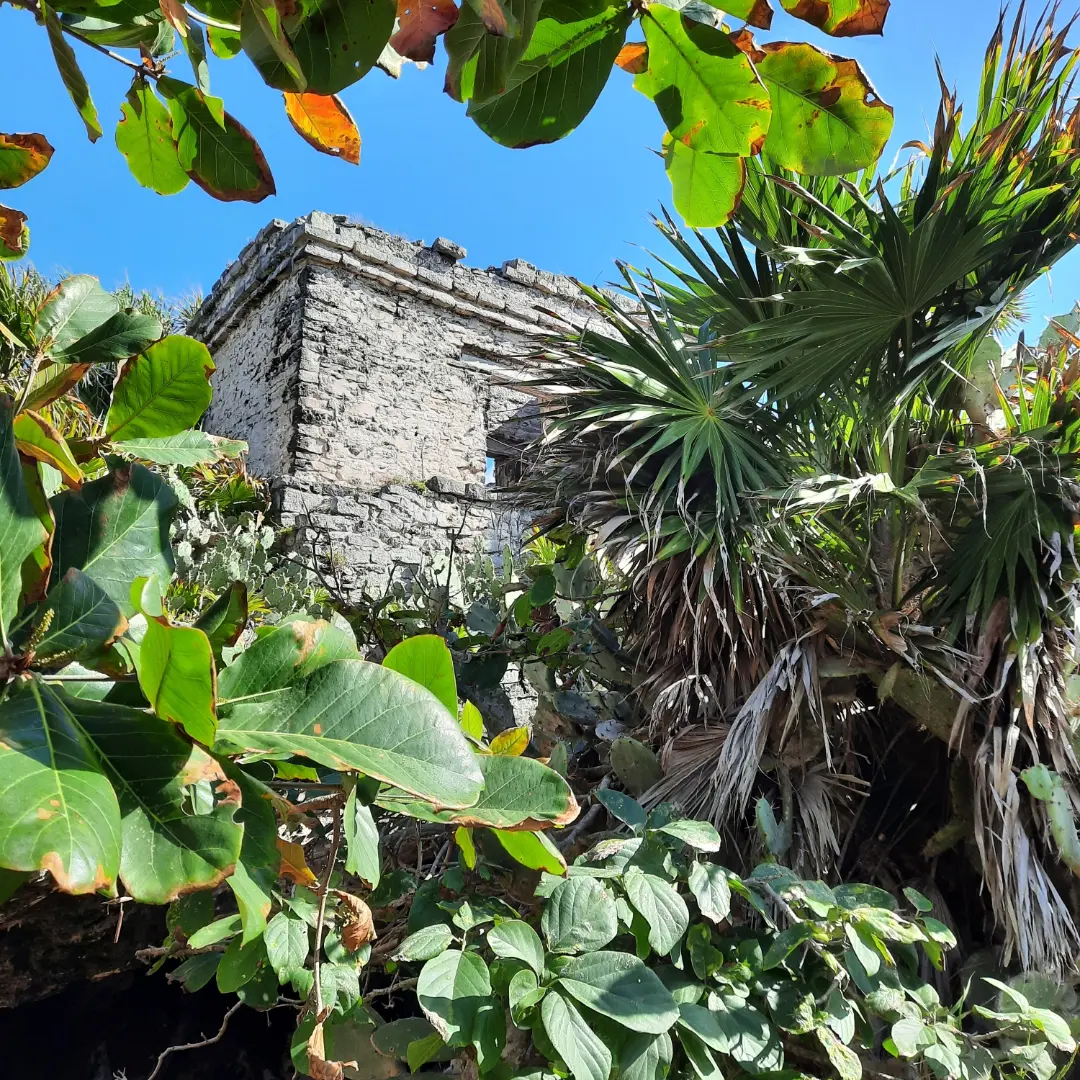
The most recognizable structure is El Castillo, which rises near the cliff edge overlooking the water. Walking around the ruins, it is easy to understand why this is one of the most photographed archaeological sites in Mexico. Even without knowing the history, the position of the buildings against the bright blue sea is striking.
Cobá
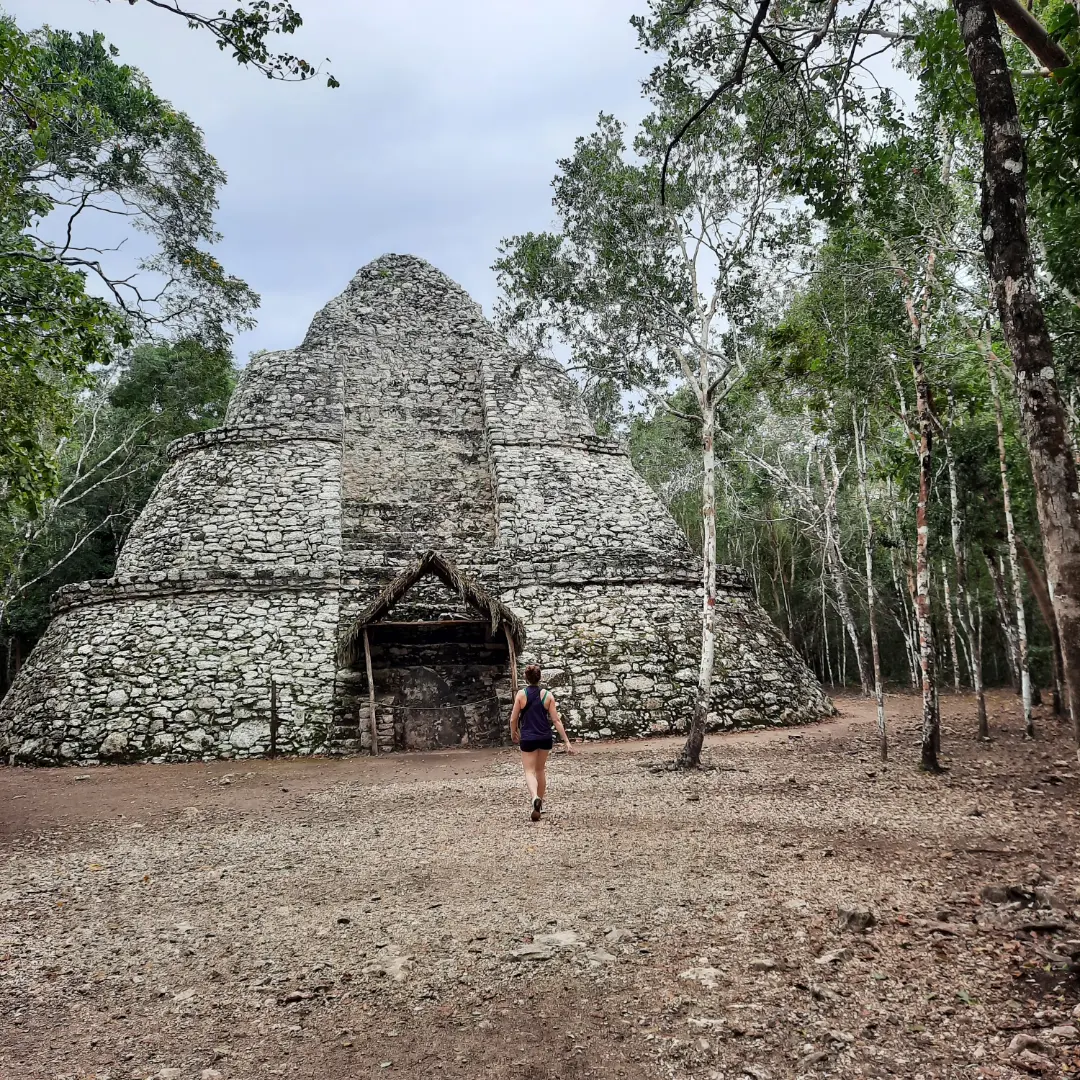
Cobá felt completely different. Instead of sitting on an exposed coastline, much of the archaeological area is surrounded by dense vegetation. Cobá was once an important Maya city connected by an extensive network of raised stone roads known as sacbeob, or white roads.
One of the best-known structures at the site is Nohoch Mul, a large pyramid rising above the surrounding jungle. Cobá’s layout is spread over a much larger area than a compact archaeological complex, which gives the site the feeling of exploring the remains of a city rather than simply walking around a single group of monuments.
Chichén Itzá
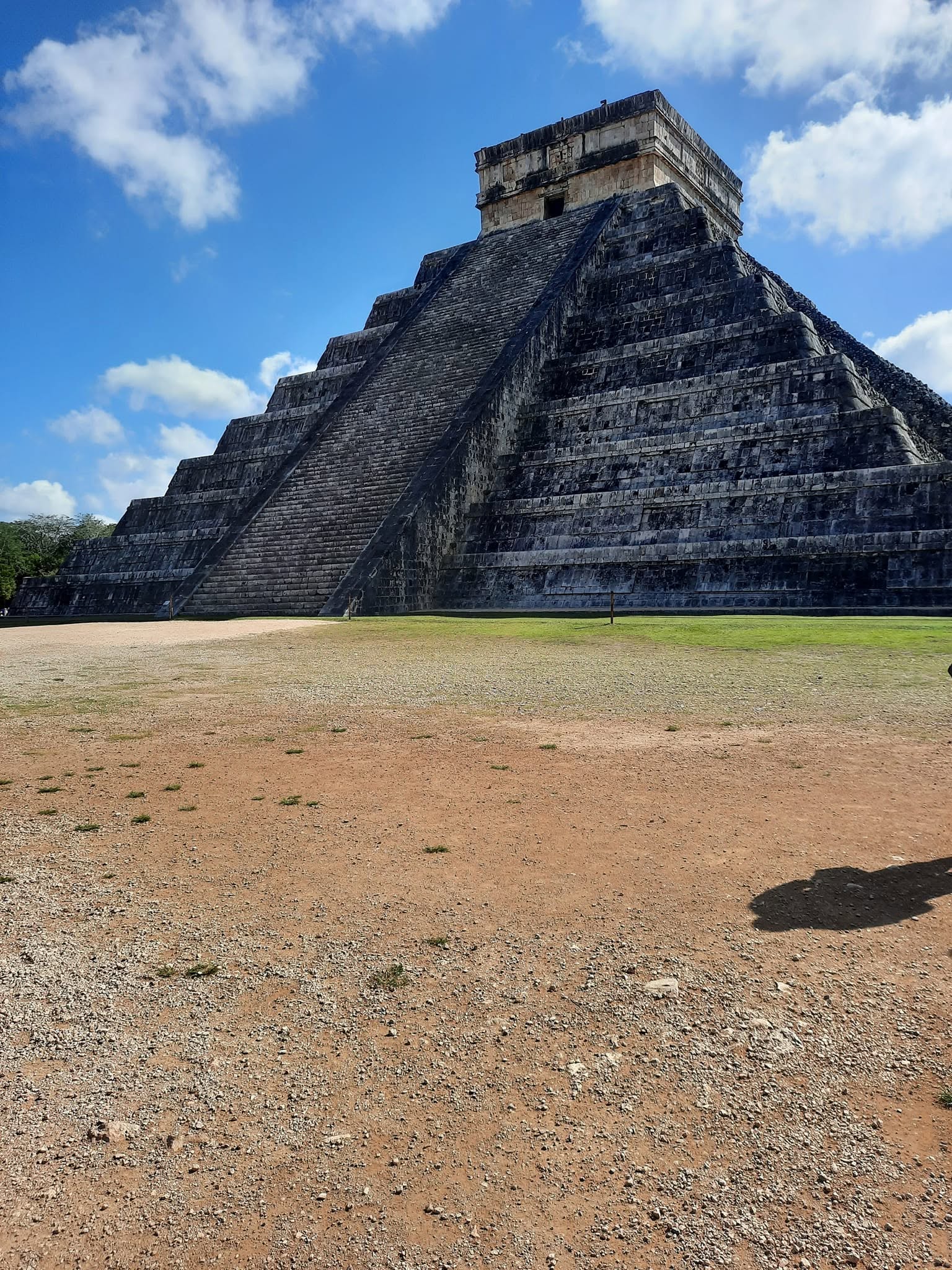
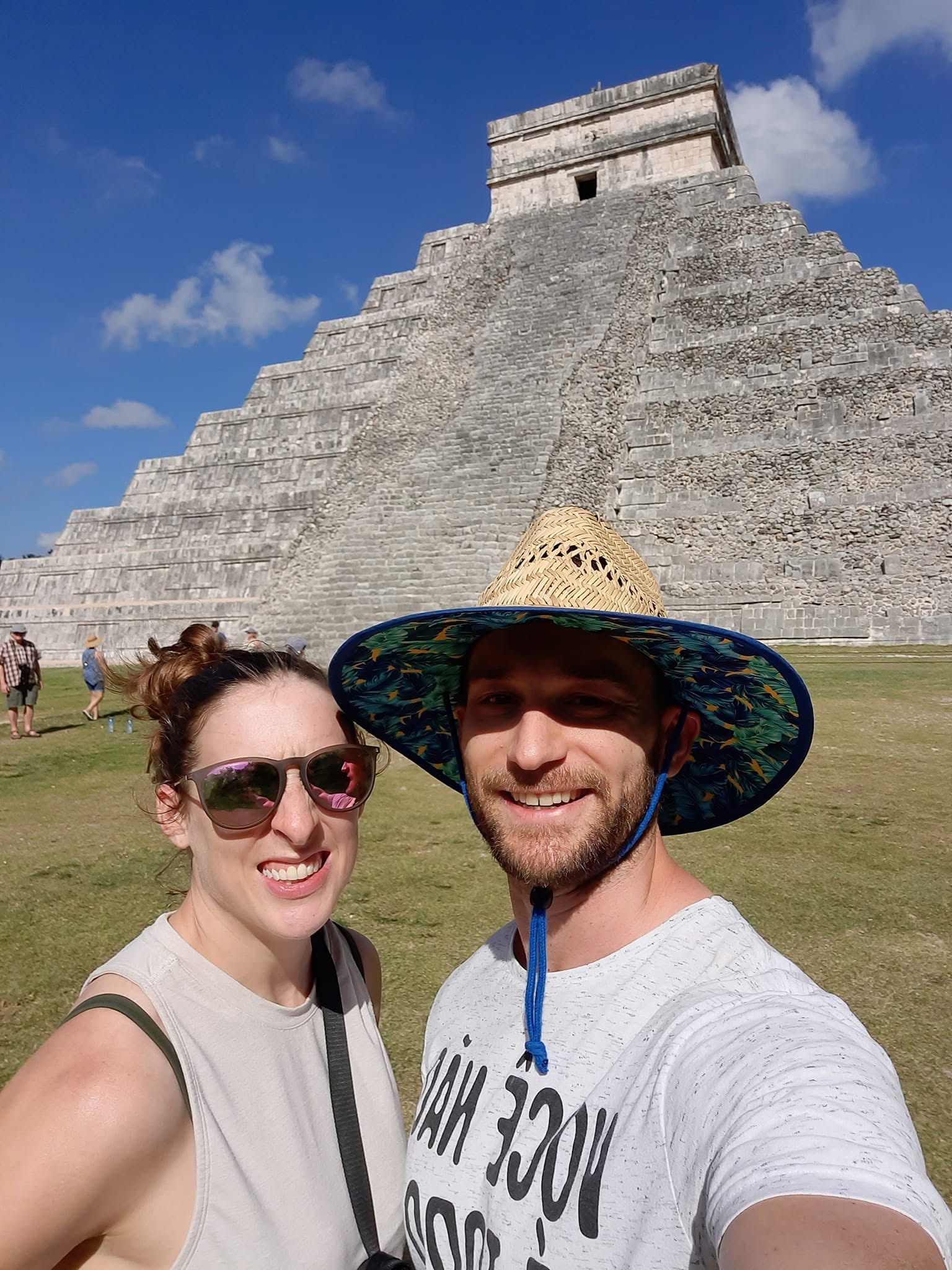
Chichén Itzá was the largest and most monumental archaeological site we visited. It was one of the great Maya centers of the Yucatán Peninsula and is now a UNESCO World Heritage Site.
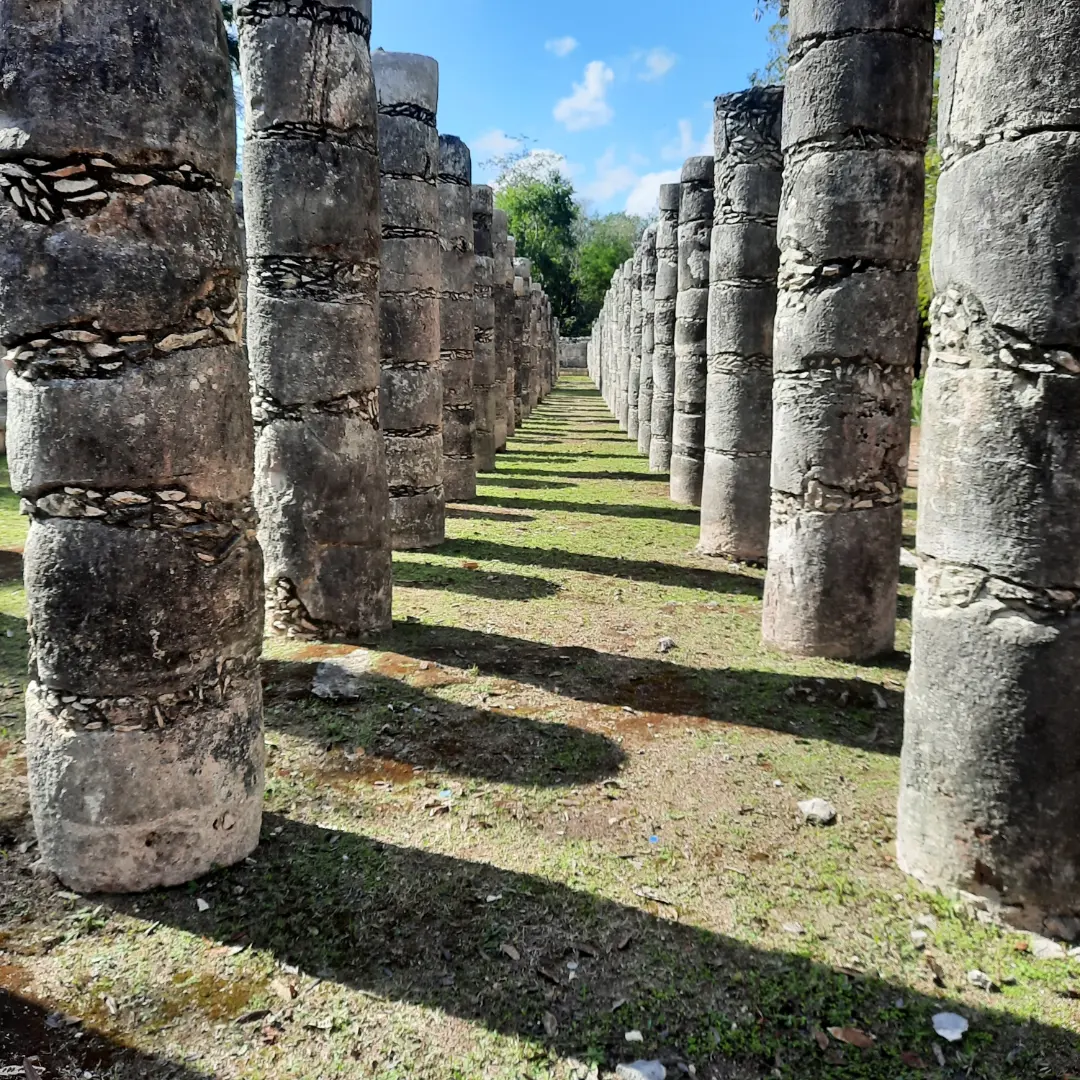
The structure everyone immediately recognizes is El Castillo, also known as the Temple of Kukulcán. But the scale of Chichén Itzá becomes clearer once you walk beyond the pyramid. The site includes the Great Ball Court, the Temple of the Warriors, rows of columns, ceremonial platforms, and the circular structure known as El Caracol.
What stood out to me most was how much was concentrated in one place. The ruins at Tulum are memorable because of their setting, while Chichén Itzá feels monumental because of the size, geometry, and organization of the city itself.
Cenotes
The cenotes were one of the most distinctive parts of the trip. The Yucatán Peninsula is built largely from porous limestone, so rainwater gradually moves through the rock and creates an enormous underground system of caves, sinkholes, and freshwater pools.
Some cenotes are completely open to the sky. Others are hidden inside caverns where only a small opening allows sunlight to reach the water. Visiting several of them made it clear how different each one can be.
Ik Kil
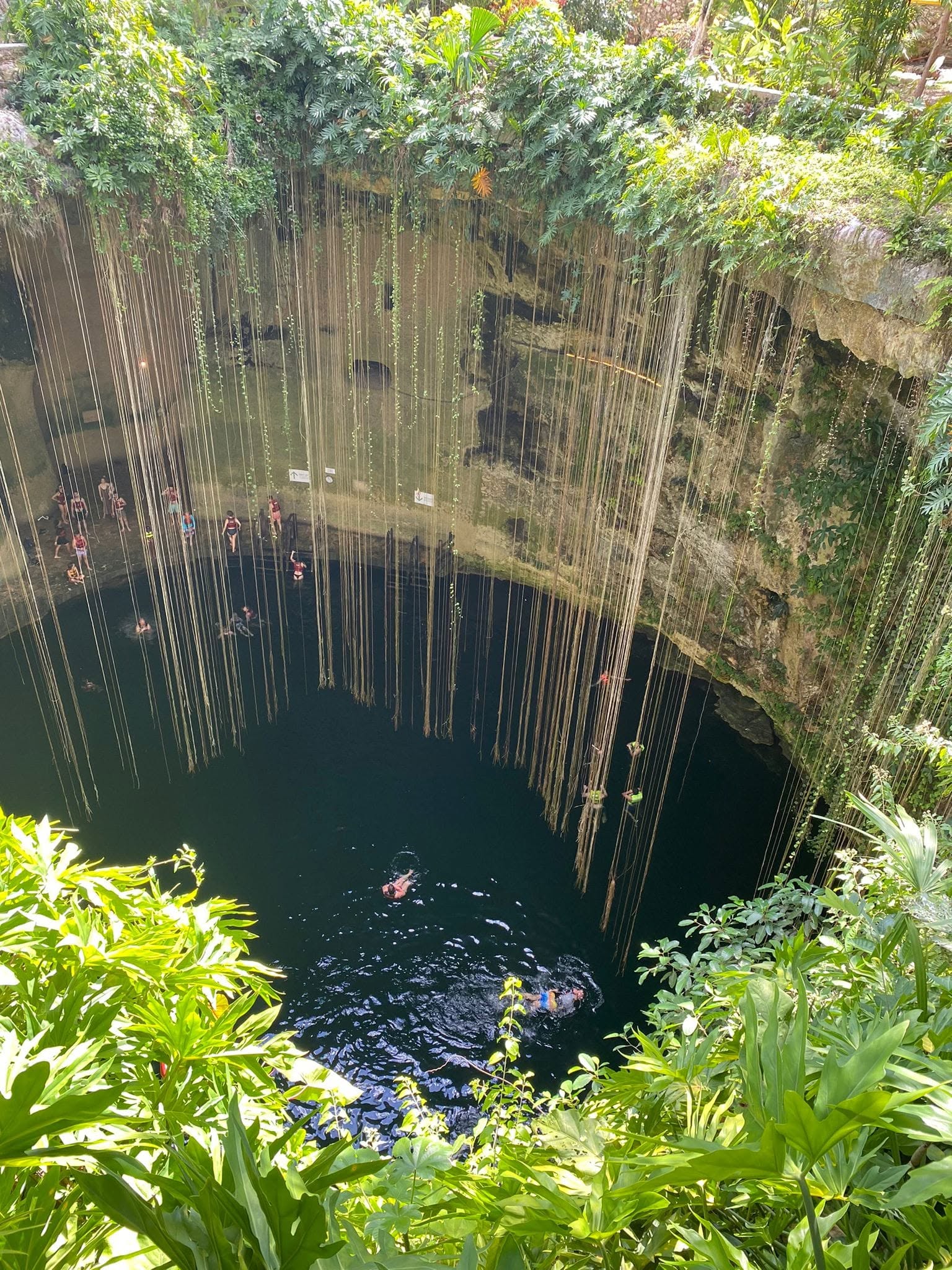
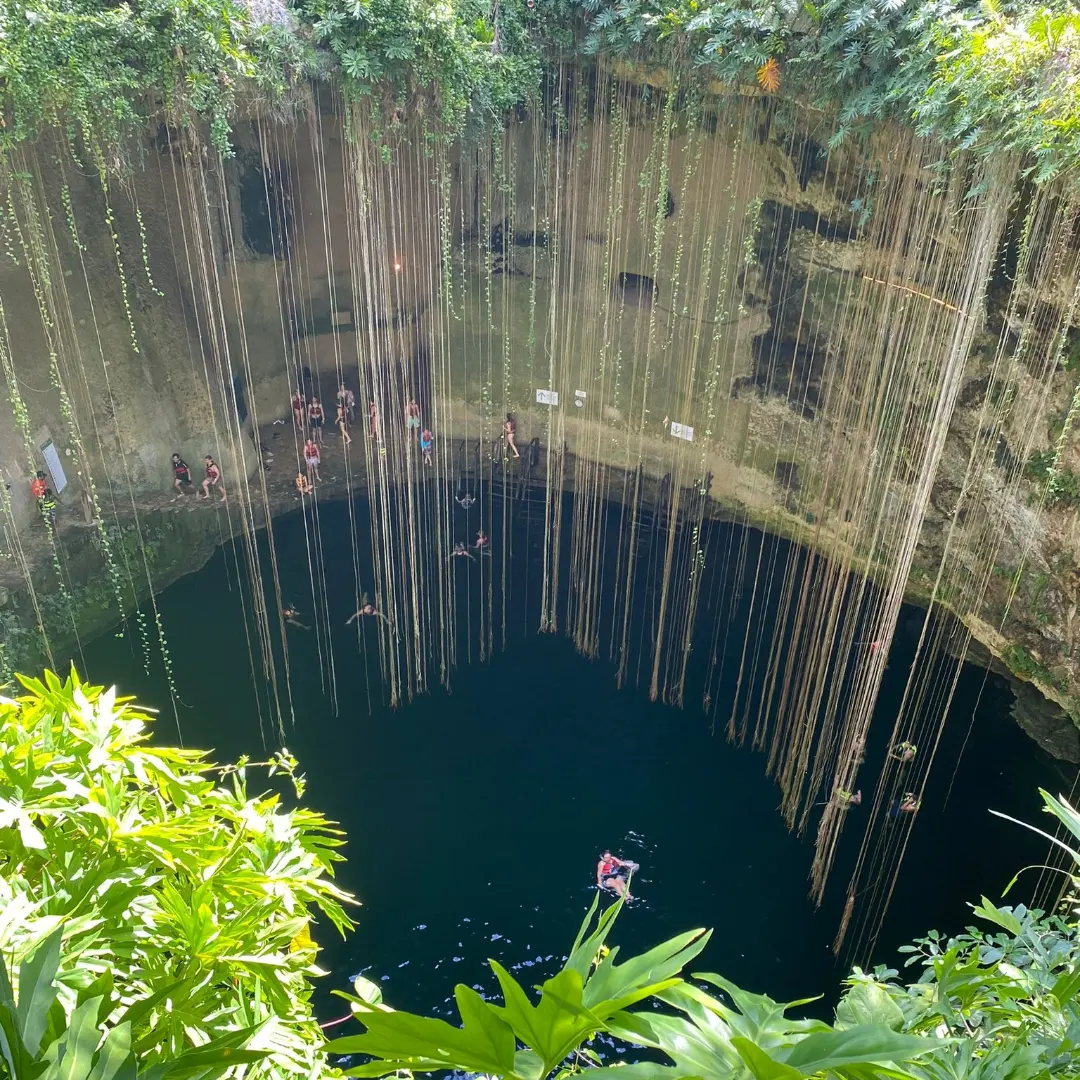
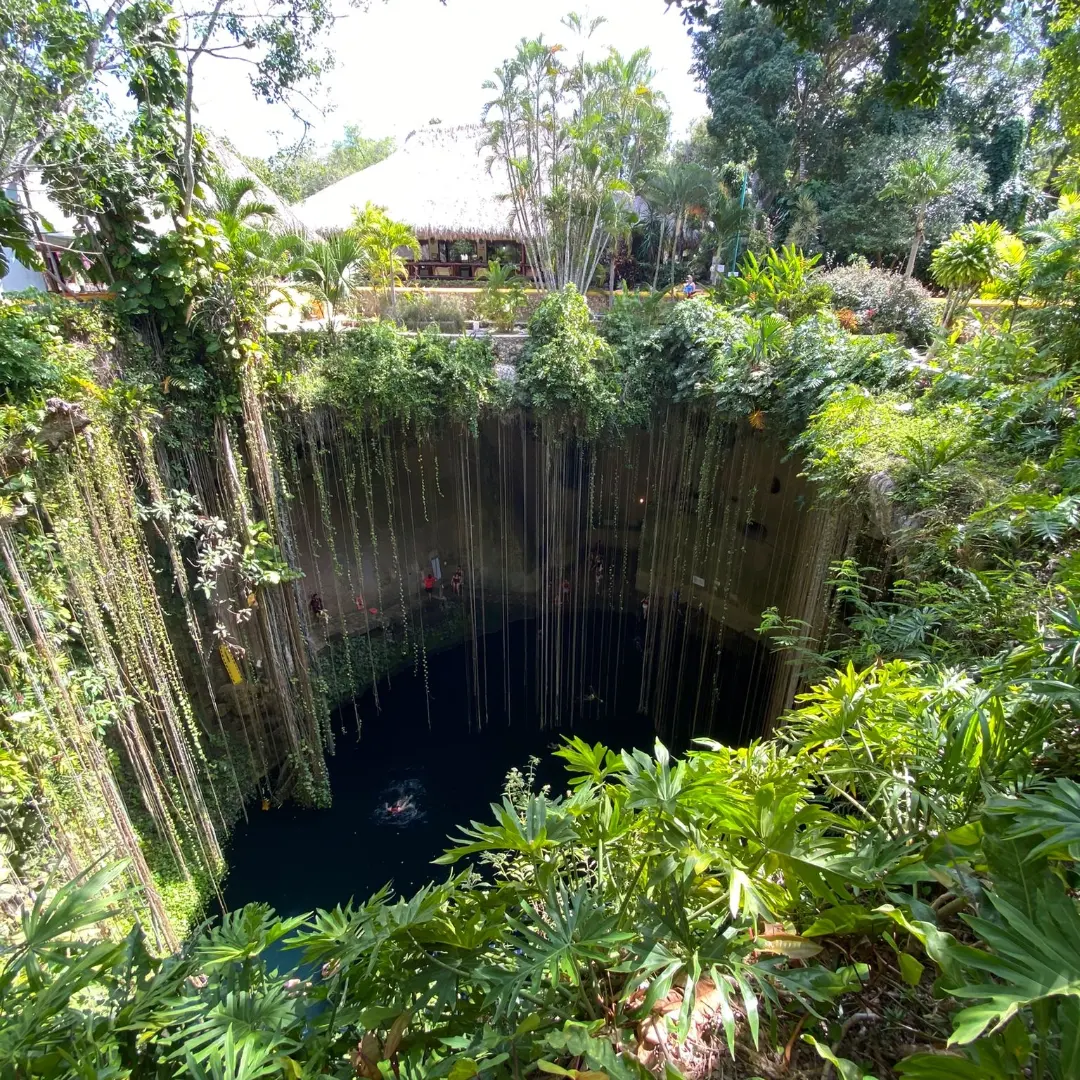
Cenote Ik Kil, near Chichén Itzá, is a large open cenote surrounded by vegetation. Long vines and roots hang down the limestone walls toward the water, giving it an almost enclosed jungle feeling even though the top is open to the sky.
After spending time walking around the ruins in the heat, descending into the cooler cenote was a dramatic change of environment. Ik Kil was probably the most visually tropical of the cenotes we visited.
Suytun
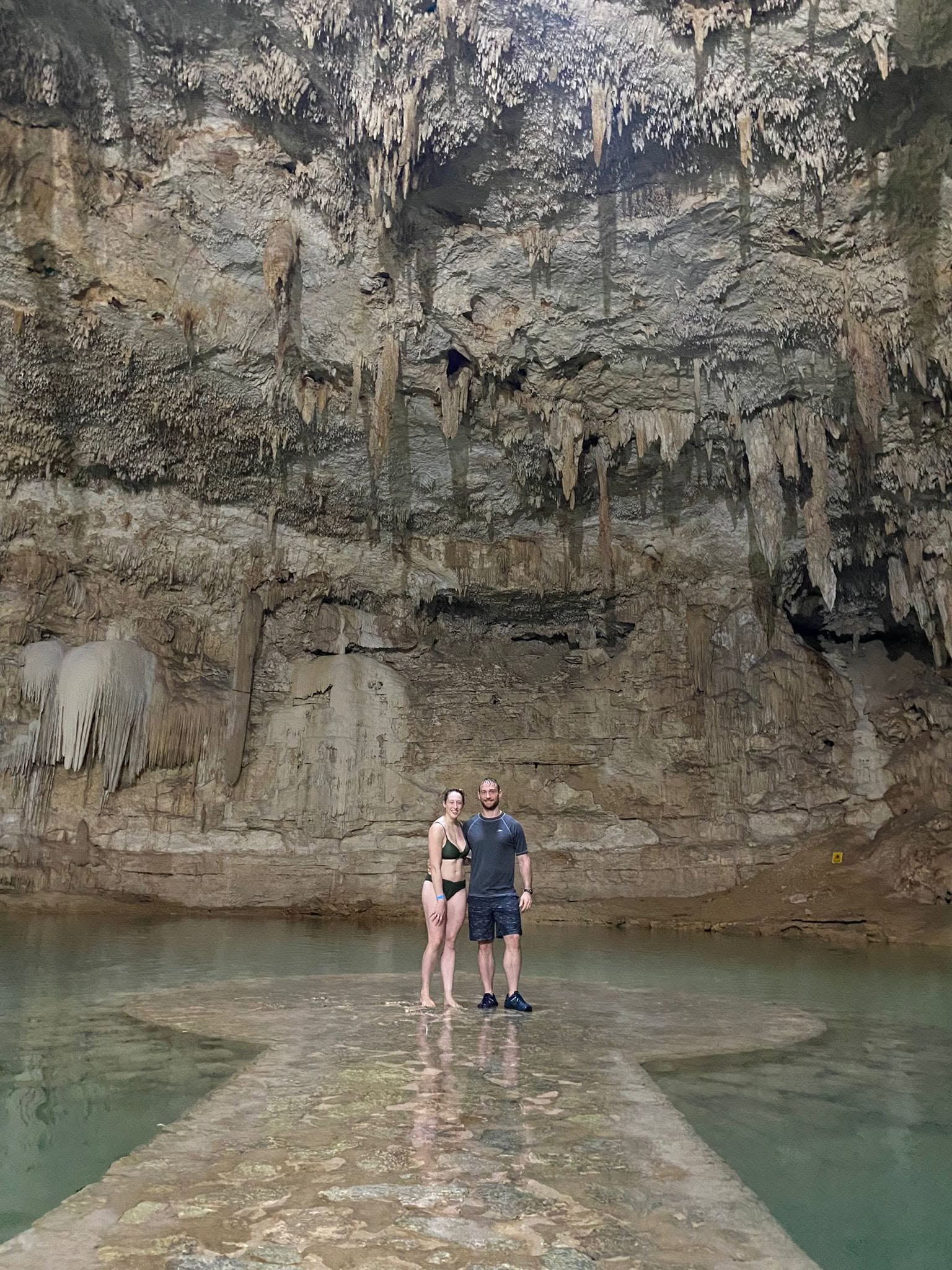
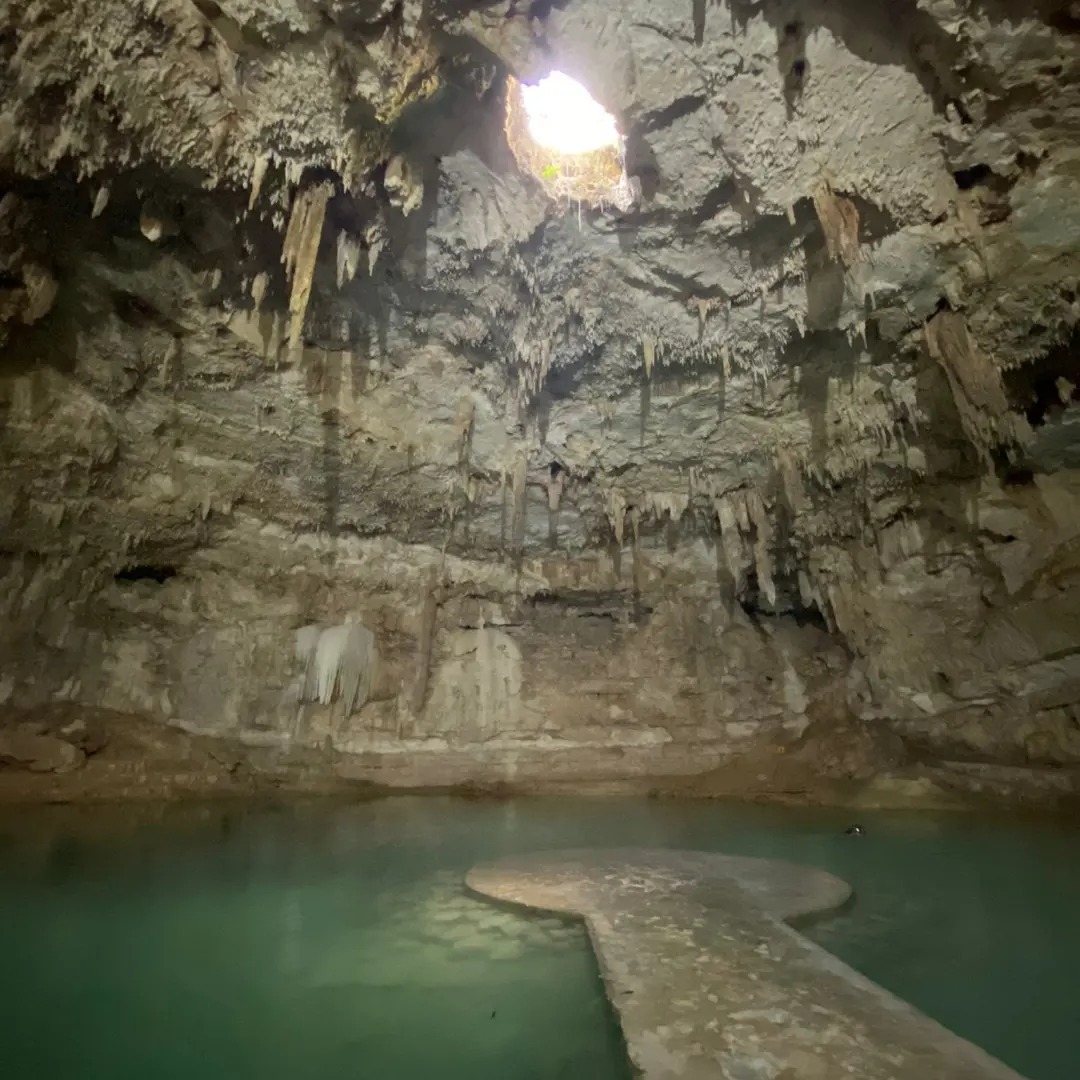
Cenote Suytun, near Valladolid, was almost the opposite of Ik Kil. Suytun is enclosed beneath a limestone vault with an opening in the ceiling. At the right time of day, sunlight enters through the opening and forms a narrow beam directed toward the circular stone platform in the water.
The combination of the cavern, still water, rock formations, and concentrated sunlight gives Suytun a much more dramatic atmosphere than an open-air cenote.
Casa Tortuga
Cenotes Casa Tortuga is a collection of cenotes near Tulum rather than a single pool. The area includes both open and cave-like cenotes, which makes it a good place to experience several different forms of the underground landscape without traveling between separate sites.
Swimming through the clearer open water and then moving into darker limestone caverns made the experience feel more like exploring than simply visiting a swimming hole. The cave sections also make the scale of the underground water system much easier to appreciate.
Yaxmuul
Yaxmuul added another variation on the cenote experience. Located in the jungle north of Tulum, the area contains multiple cenotes, including enclosed cave environments with stalactites and other limestone formations.
Experiences at Yaxmuul often combine swimming and cave exploration with elements intended to introduce visitors to Maya traditions connected to the land and cenotes. After seeing the archaeological sites above ground, visiting these underground spaces added a completely different perspective on the region.
Beaches and the Caribbean
The archaeological sites and cenotes were a major part of the trip, but the Caribbean was always nearby. Tulum’s water can shift between turquoise, deep blue, and almost transparent depending on the light and weather.
We spent time at Playa Paraíso, Playa Pescadores, and Akumal, each of which had a slightly different atmosphere.
For current beach access, park information, and conservation guidance, the Parque del Jaguar and Mexico’s tourism page for Tulum are useful references.
Playa Paraíso
Playa Paraíso is one of Tulum’s best-known stretches of beach, with broad white sand and turquoise water near the archaeological zone. It is the version of Tulum that tends to appear in travel photos: bright water, palms, sand, and an open Caribbean horizon.
Playa Pescadores
Playa Pescadores sits along the same general coastline but has more of a working-beach feel because of the small boats that operate from the shore. It was a good place to spend time near the water while still feeling connected to the activity along the coast.
Akumal
Akumal was especially memorable because of the wildlife. The bay is an important protected habitat for sea turtles and seagrass, and snorkeling gave us the opportunity to see sea turtles and stingrays in the water.
Seeing the animals in their natural environment was one of the best experiences of the trip. The turtles moved much more calmly through the water than I expected, and being able to watch them from the surface made the experience feel completely different from seeing marine life in an aquarium.
Food and Drinks
Food was another major part of the trip. Tulum has everything from very casual breakfast and lunch spots to elaborate restaurants built into the jungle. We tried several very different places, including ARCA, Cinco Beach Club, RosaNegra, and Burrito Amor.
ARCA
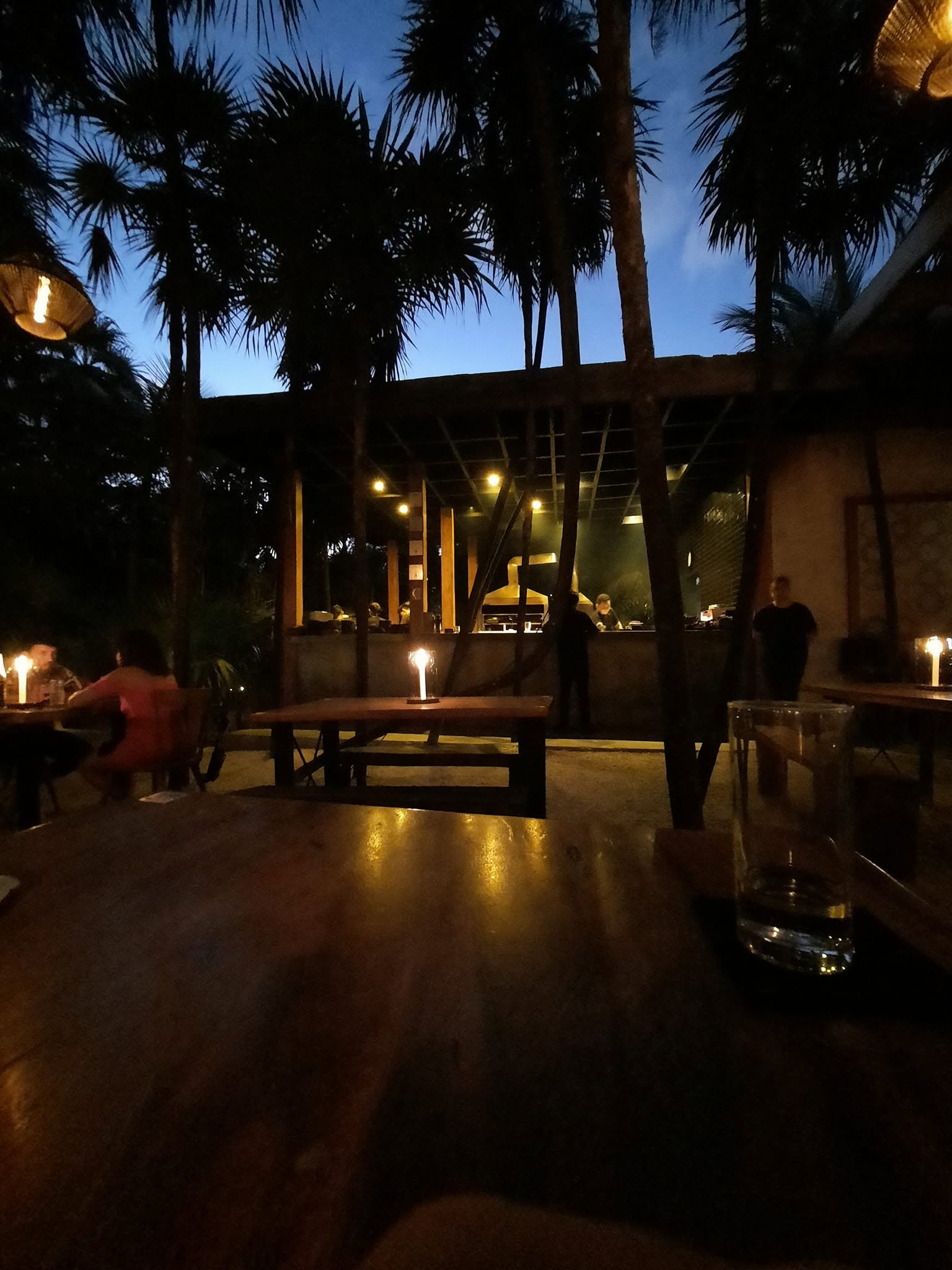
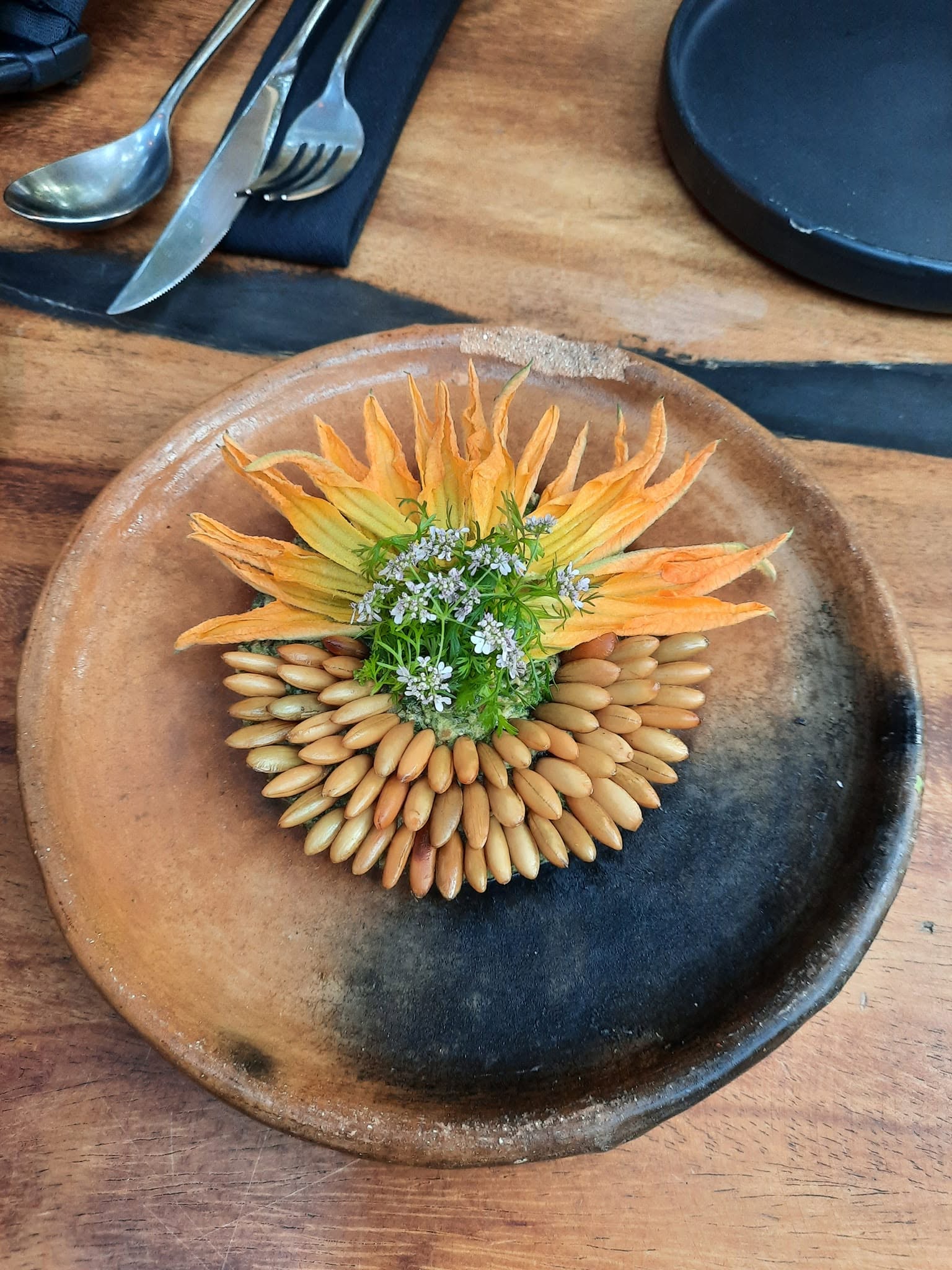
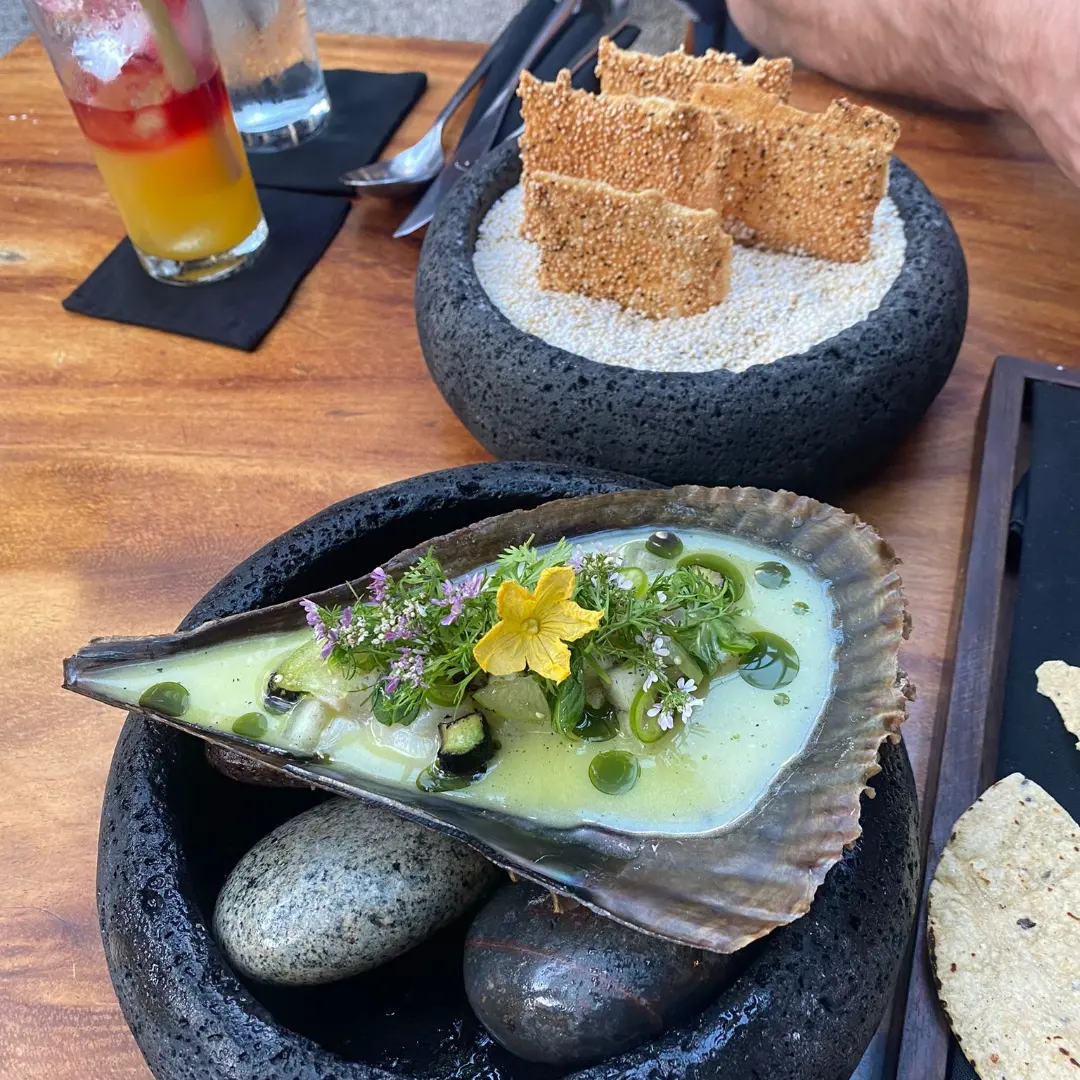
ARCA was one of the more memorable dinners. The restaurant focuses on contemporary Mexican cooking built around fire, seasonal ingredients, and products from the Yucatán region.
The setting was also part of the experience. Rather than feeling like a traditional indoor restaurant, ARCA is integrated into the jungle environment, with an open-air atmosphere that fits Tulum particularly well. The food was creative without losing its connection to Mexican ingredients and flavors.
Cinco Beach Club
Cinco Beach Club gave us a more relaxed beachfront food-and-drink experience. It combines a beach club with a restaurant and bar directly along the coast, making it a good place to spend several hours rather than stopping only for a meal.
The atmosphere was much more casual than the jungle restaurants: ocean views, drinks, food, and the ability to move between the table and the beach.
RosaNegra
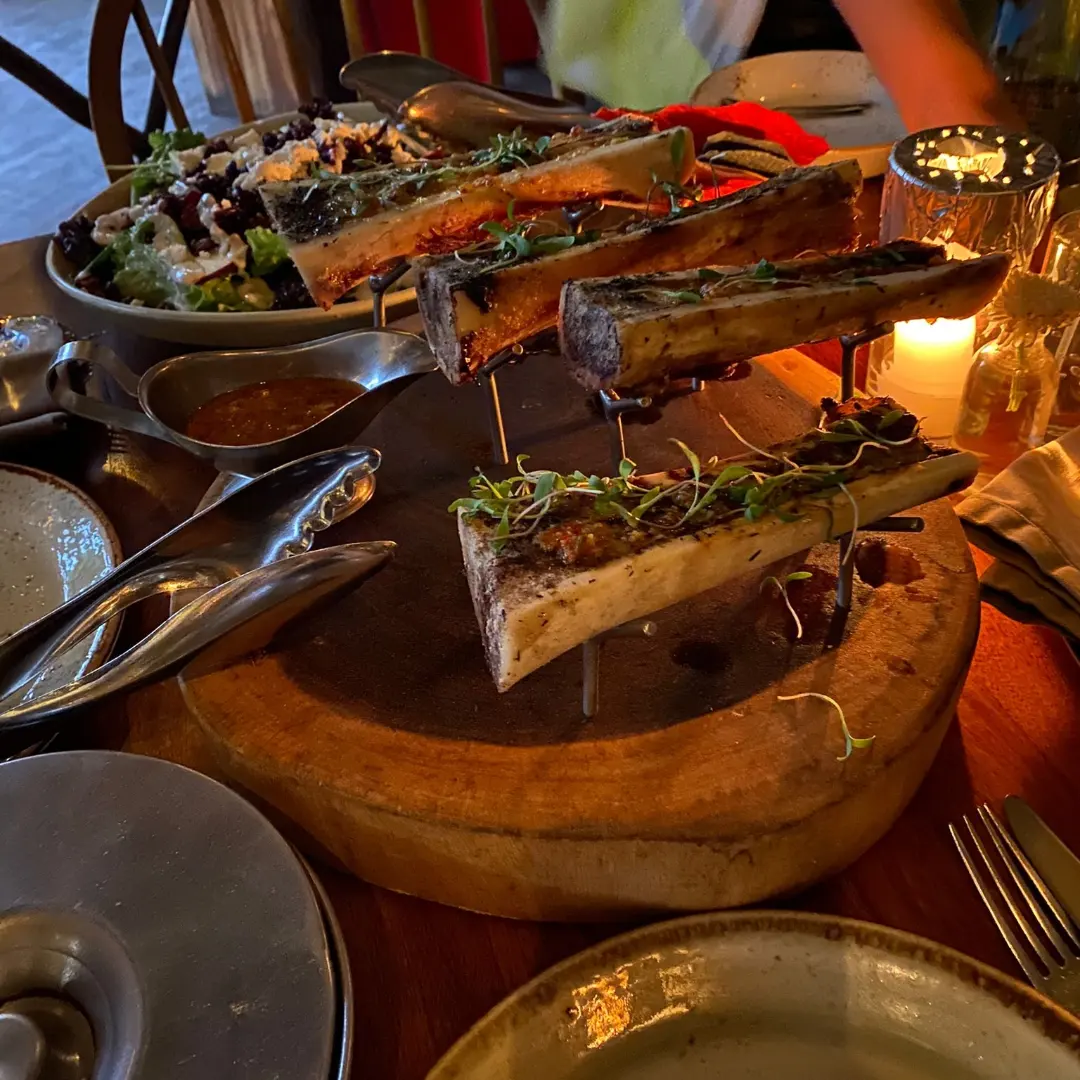
RosaNegra was on the other end of the spectrum. It is known for a high-energy dinner atmosphere built around Latin American food, music, drinks, and nightlife.
This was less about having a quiet meal and more about experiencing Tulum’s social side after dark. The combination of dinner, music, lighting, and the energy of the restaurant made it feel closer to an event than a normal restaurant reservation.
Burrito Amor
Burrito Amor was the casual counterpoint to the larger dinner experiences. It is a relaxed Tulum spot centered around burritos and Mexican-inspired breakfast and lunch food.
After several elaborate dinners, having something simple, filling, and quick was welcome. Places like Burrito Amor also helped balance the trip so that every meal did not have to become a full evening event.
Slowing Down
A lot of the trip involved moving: driving between cities, walking through ruins, swimming in cenotes, snorkeling, or going out to eat. Some of the best moments, though, were the ones where we were doing almost nothing.
Sitting on the hotel dock, watching the sky change over the water, eating breakfast before leaving for the day, or getting a massage above the ocean gave the trip a slower rhythm between excursions.
Those quieter parts of the trip mattered because Tulum can easily become a checklist of places to visit. Having Hotel Mereva as a place to come back to made it easier to enjoy the region without feeling like every hour had to be filled.
Final Thoughts
Tulum was much more interesting than I expected because the trip was never just about Tulum itself. The beaches were beautiful, but what made the experience memorable was how quickly the environment changed once we started exploring beyond the coast.
Within the same trip, we walked through ancient Maya cities, drove across the Yucatán Peninsula, descended into underground caverns, swam in freshwater cenotes, snorkeled with sea turtles and stingrays, ate dinner in the jungle, and ended evenings sitting beside the Caribbean.
Chichén Itzá showed the monumental scale of Maya architecture. Cobá showed how a city could disappear back into the jungle. The Tulum ruins connected that history directly to the sea. Ik Kil and Suytun showed completely different versions of the underground landscape, while Akumal brought us face-to-face with the marine life that still defines the region today.
The bright blue Caribbean water may be the image that first comes to mind when I think about Tulum, but the variety of everything surrounding it is what made the trip memorable.
Useful Links & Sources
For anyone planning a similar trip, these are useful places to check for current visitor information, reservations, hours, access rules, and conservation guidance. Details such as prices and operating hours can change, so I would check the official sites before visiting.
- Stay and transportation: Hotel Mereva Tulum · Hertz Mexico — Tulum locations
- Maya archaeological sites: Tulum — INAH · Cobá — INAH · Chichén Itzá — INAH · Chichén Itzá — UNESCO World Heritage Centre
- Cenotes: Ik Kil · Suytun · Casa Tortuga · Yaxmuul visitor information
- Beaches and marine conservation: Tulum tourism information — Mexico Secretariat of Tourism · Parque del Jaguar · Centro Ecológico Akumal
- Food and drinks: ARCA · Cinco Tulum · RosaNegra Tulum · Burrito Amor