Europe Study Abroad — Spring 2015
Europe Study Abroad — Spring 2015
In the spring of 2015, I traveled through Europe on a study abroad program that became much more important to me than I understood at the time.
We took two classes during the trip: one focused on leadership, while the other connected innovation with ancient history. Europe was an ideal classroom for both. We studied leadership while moving through cities shaped by monarchies, empires, revolutions, religion, war, art, and industry. At the same time, we studied innovation while standing inside Roman structures, medieval castles, Renaissance cathedrals, museums, manufacturing plants, and modern cities that had grown around centuries of engineering.
I went on the trip as a civil engineering student. I came home still fascinated by buildings and construction, but with a much broader idea of what engineering could be.
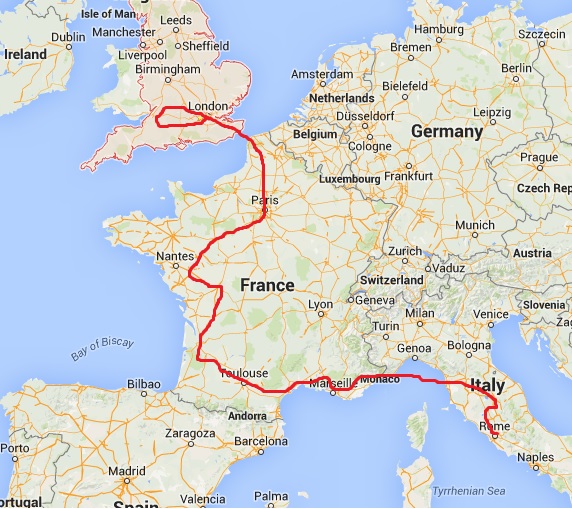
- When: Spring 2015
- Focus: Leadership, innovation, and ancient history
- Countries: United Kingdom, France, Monaco, and Italy
- Major cities and regions: London, Oxford, Bath, Dover, Edinburgh, Paris, the Loire Valley, Carcassonne, Toulouse, Nice, Monaco, Florence, Rome, and Vatican City
- Industry visits: MINI Plant Oxford and Airbus in Toulouse
- Career impact: The trip expanded my view of engineering from primarily construction and civil infrastructure toward technology, automation, software, robotics, and intelligent systems
When Engineering Suddenly Looked Bigger
Two of the most important stops on the entire trip were not castles or museums. They were factories.
We toured MINI Plant Oxford in England and an Airbus manufacturing facility in Toulouse, France.
Those visits had an outsized influence on me.
MINI Plant Oxford
MINI Plant Oxford has been an automotive manufacturing site since 1913. Today BMW describes it as the heart of MINI production, with body construction, painting, and final assembly forming part of a highly automated manufacturing system.
Walking through the plant in 2015 was pivotal for me.
I remember watching robotic arms moving around the production line and feeling an immediate surge of excitement. Instead of only looking at the cars being built, I found myself staring at the machines building them.
How were the robots programmed?
What code controlled them?
How did the servo motors know exactly where to move?
What sensors were feeding information back into the system?
How were mechanics, physics, controls, software, and safety all being coordinated in real time?
Those questions stuck with me.
BMW’s current description of the Oxford body shop says that roughly 1,200 robots work alongside employees to form the basic structure of the MINI. The plant has changed since my visit, but that combination of automation and human manufacturing is exactly what fascinated me.
For anyone interested in seeing it today, MINI still offers official Plant Oxford factory tours.
Airbus Toulouse
The second major manufacturing visit was Airbus in Toulouse.
In 2015, we were fortunate enough to see the Airbus A380 being manufactured. At the time, the A380 was still an active production program and the world’s largest passenger airliner.
Standing near an aircraft of that scale while it was still being assembled was difficult to comprehend. An airliner is already enormous when you see it at an airport; seeing major components before the aircraft is complete makes the engineering problem feel even larger.
Airbus describes the A380 as the only full-length double-deck jet airliner and the largest passenger aircraft ever built. Its wingspan is nearly 80 meters. The program incorporated hundreds of patented technologies and required a massive international manufacturing and logistics network.
The experience was another reminder that engineering was much broader than buildings.
Aircraft combine structures, materials science, aerodynamics, propulsion, control systems, sensors, electronics, manufacturing, software, supply chains, safety engineering, and thousands of people into one system.
Interestingly, the A380 production line we saw is now part of aviation history. Airbus delivered the final A380 in December 2021. The Jean-Luc Lagardère building in Toulouse that was originally constructed for A380 final assembly has since been repurposed for A321-family production.
Factory tours are still available through Let’s Visit Airbus / Manatour, and the nearby Aeroscopia aviation museum is another useful stop for anyone interested in aircraft and aerospace history.
A Career Turning Point
I did not come home from Europe suddenly disliking civil engineering. I still loved construction, structures, and the physical world.
What changed was my sense of possibility.
Until then, engineering in my mind had been dominated by things such as buildings, roads, bridges, and physical infrastructure. The factories gave me another vision of the future: technology integrated with physical systems.
Machines could sense.
Machines could move.
Software could coordinate physical processes.
Entire factories could operate as tightly integrated systems of people, robots, sensors, computers, materials, and logistics.
I did not have the vocabulary for all of it yet. I was not thinking in terms of cyber-physical systems, autonomous systems, robotics, digital twins, AI, or intelligent infrastructure.
I simply knew I wanted to understand how those machines worked.
Looking back, that curiosity became one of the threads connecting much of what I eventually became interested in professionally.
England
England was our introduction to the trip and gave us an unusual mixture of modern London, medieval castles, Roman history, university life, manufacturing, and countryside.
London
London felt constantly active.
Compared with the quieter parts of France and Italy that came later, London was busy, dense, and full of recognizable landmarks. It was also a city where centuries of architecture were layered almost on top of one another.
Big Ben and Westminster
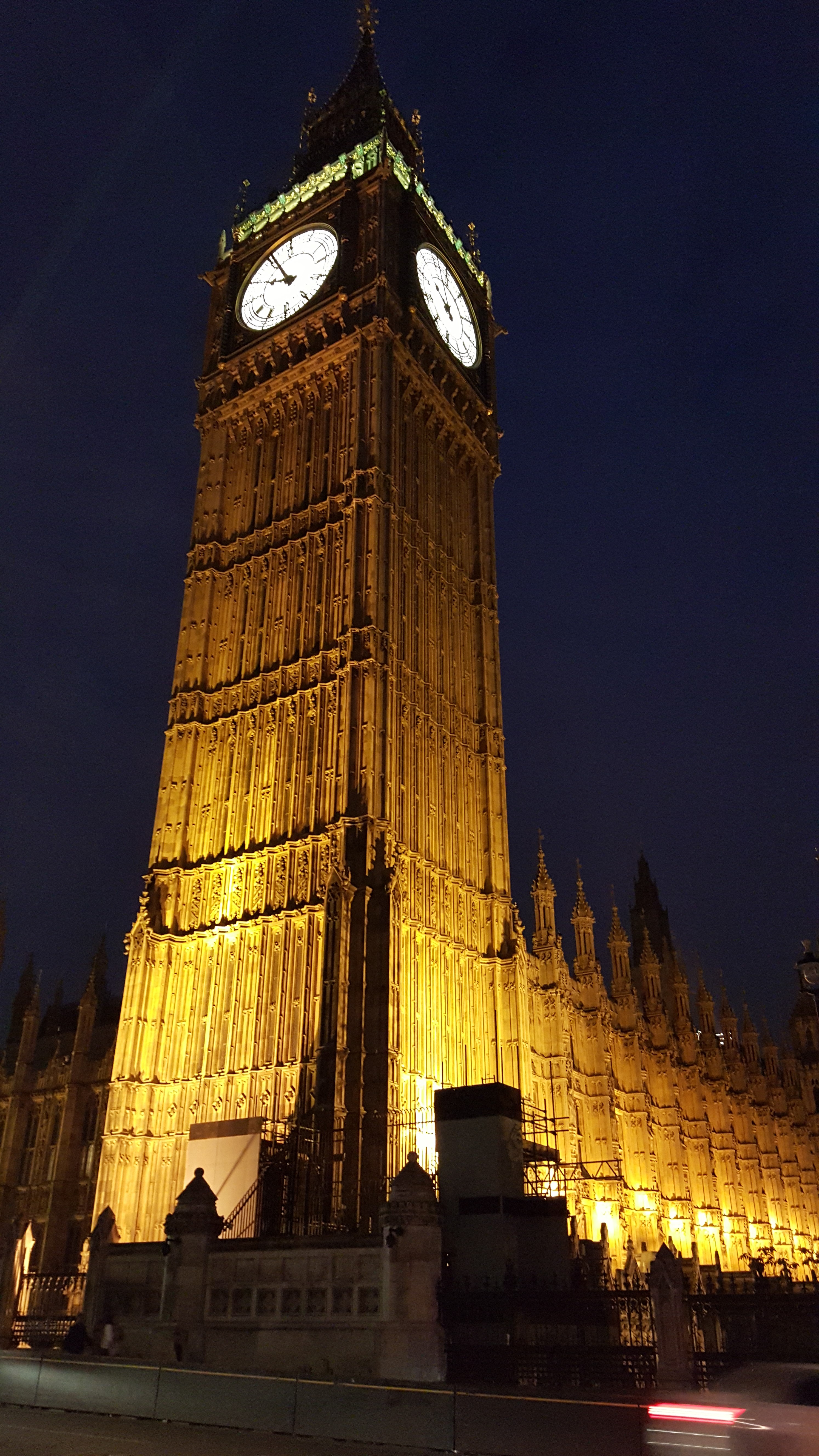
Seeing Big Ben at night was one of those moments where a landmark I had seen countless times in photographs suddenly became real.
Technically, Big Ben is the name of the Great Bell inside the Elizabeth Tower at the Palace of Westminster. The tower contains a remarkable mechanical clock, and the UK Parliament now offers official Big Ben tours that climb through the tower to the clock mechanism and belfry.
Tower Bridge and the Tower of London
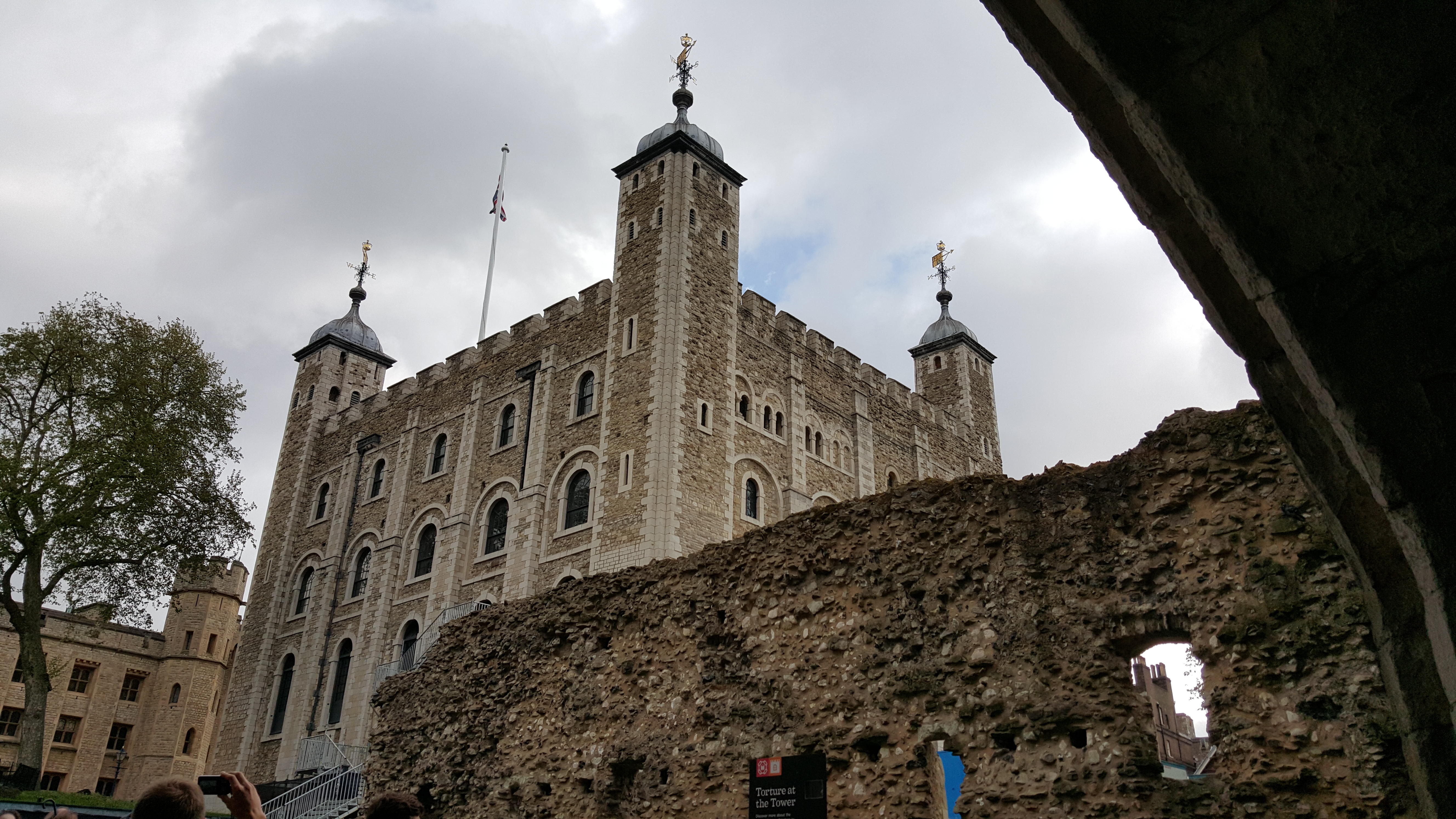
We also visited two landmarks that are sometimes confused with each other: Tower Bridge and the Tower of London.
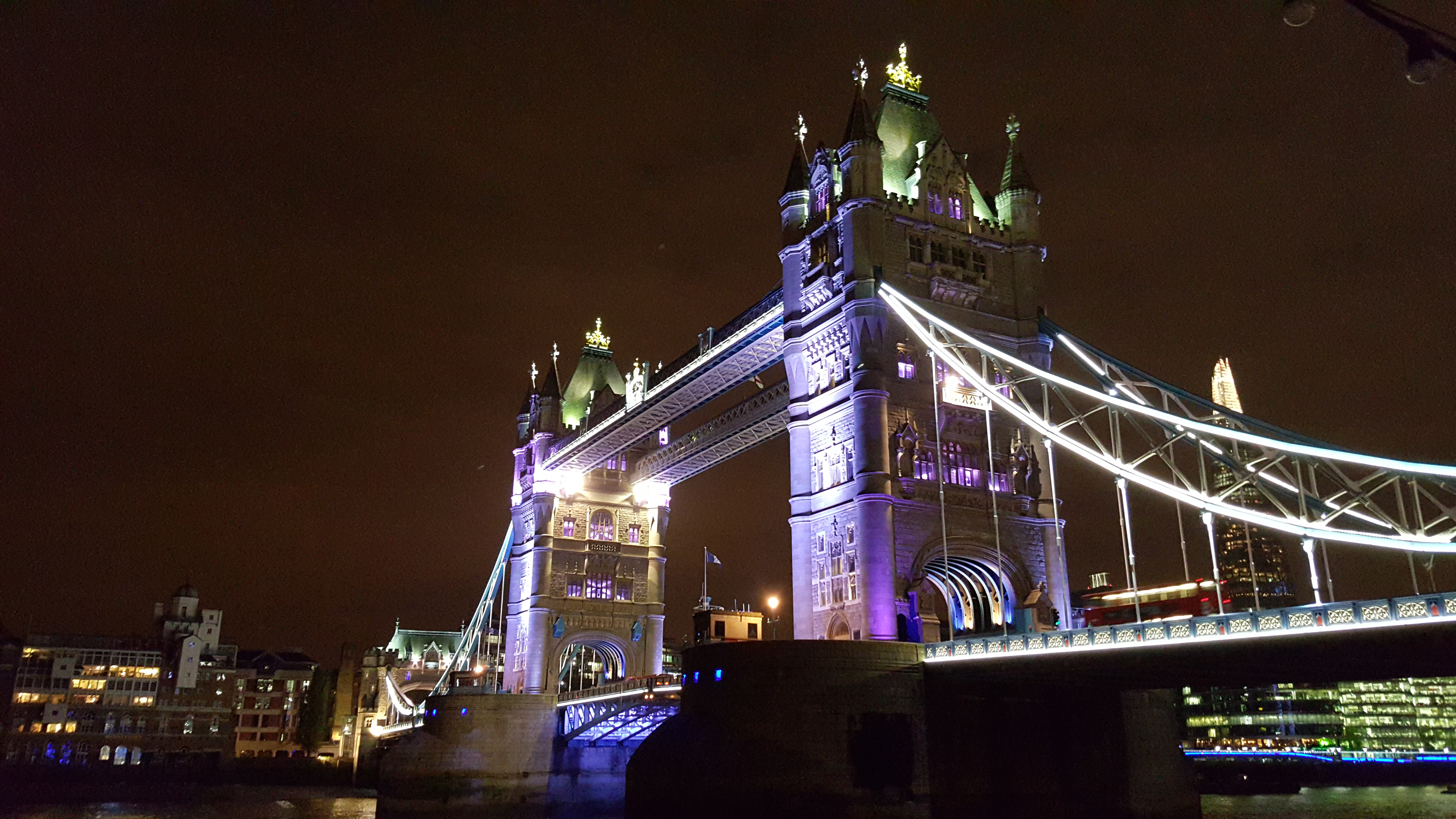
Tower Bridge is the famous bascule and suspension bridge crossing the Thames. The Tower of London is the historic fortress nearby, which has served at different times as a royal palace, prison, treasury, armory, and home of the Crown Jewels.
As an engineering student, Tower Bridge was especially interesting because it made the relationship between architecture and machinery visible. It is not only a landmark; it is a functioning movable bridge.
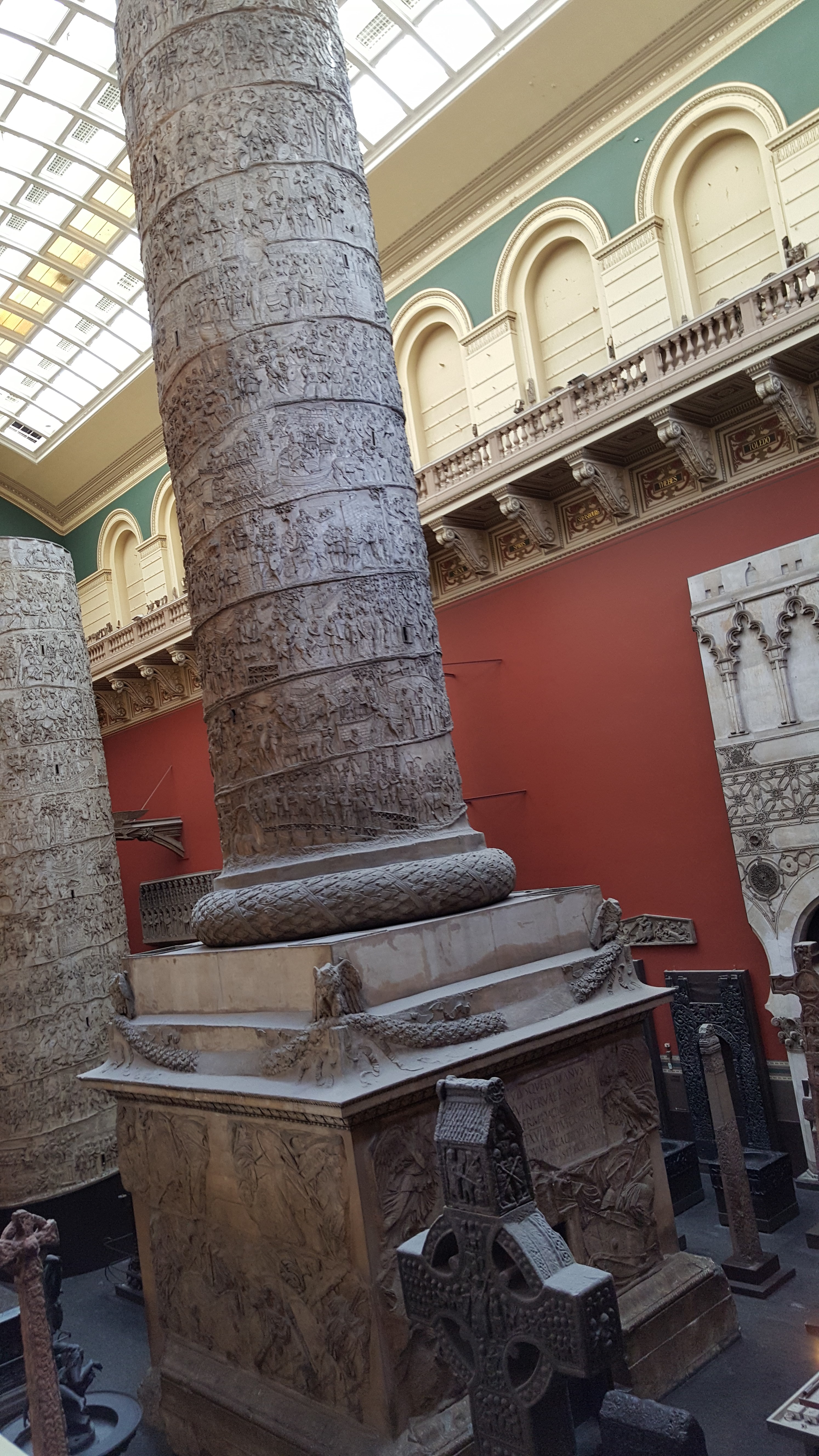
Victoria and Albert Museum
The Victoria and Albert Museum became another place where art, design, engineering, and craft overlapped.
The V&A describes itself as a museum of art, design, and performance, with collections spanning thousands of years of human creativity. For someone already thinking constantly about how things are made, it was a natural place to wander.
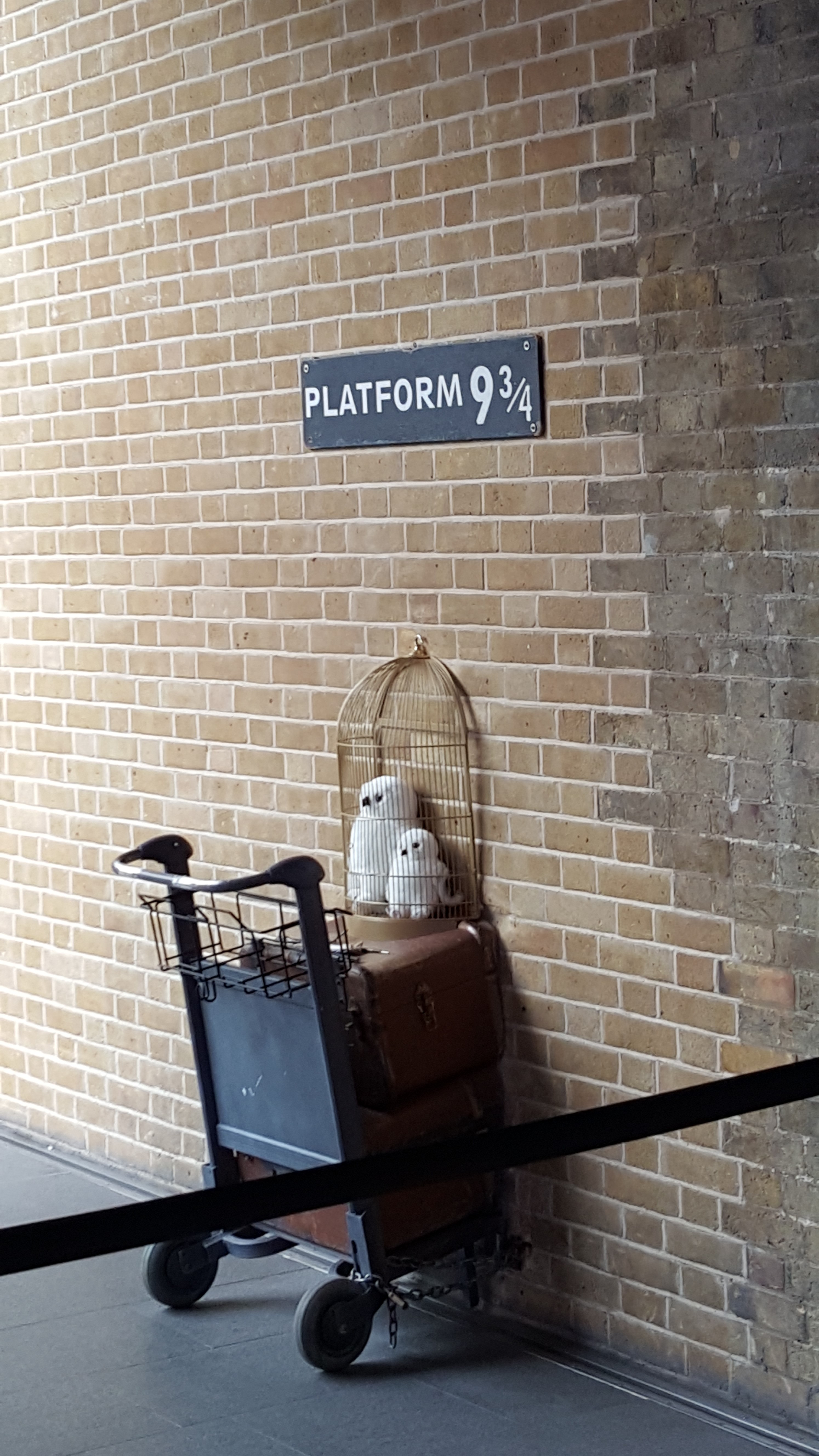
King’s Cross and Platform 9¾
We also made the required Harry Potter stop at Platform 9¾ at King’s Cross.
The real station has a luggage trolley embedded into a wall on the concourse for visitors, a reference to the fictional platform used to board the Hogwarts Express.
Choccywoccydoodah
One of the stranger and more entertaining stops was Choccywoccydoodah, a chocolatier known for elaborate cakes, sculptures, and displays made from chocolate.
The shop felt almost like an art gallery built around sugar and chocolate.
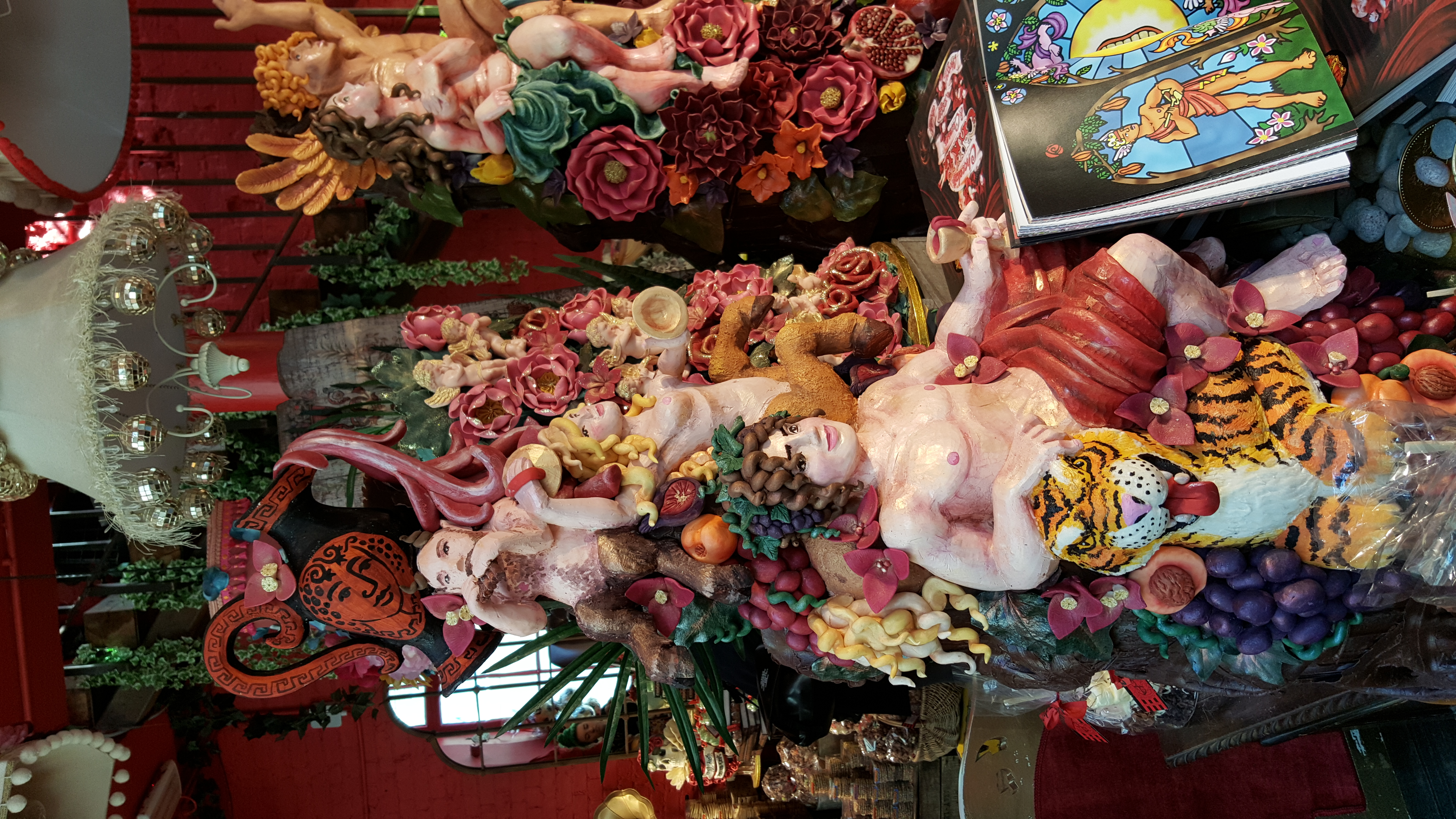
Unfortunately, the business did eventually close. Choccywoccydoodah ceased trading in 2019, several years after our visit. Time Out’s archived listing preserves a little of what the London shop was like.
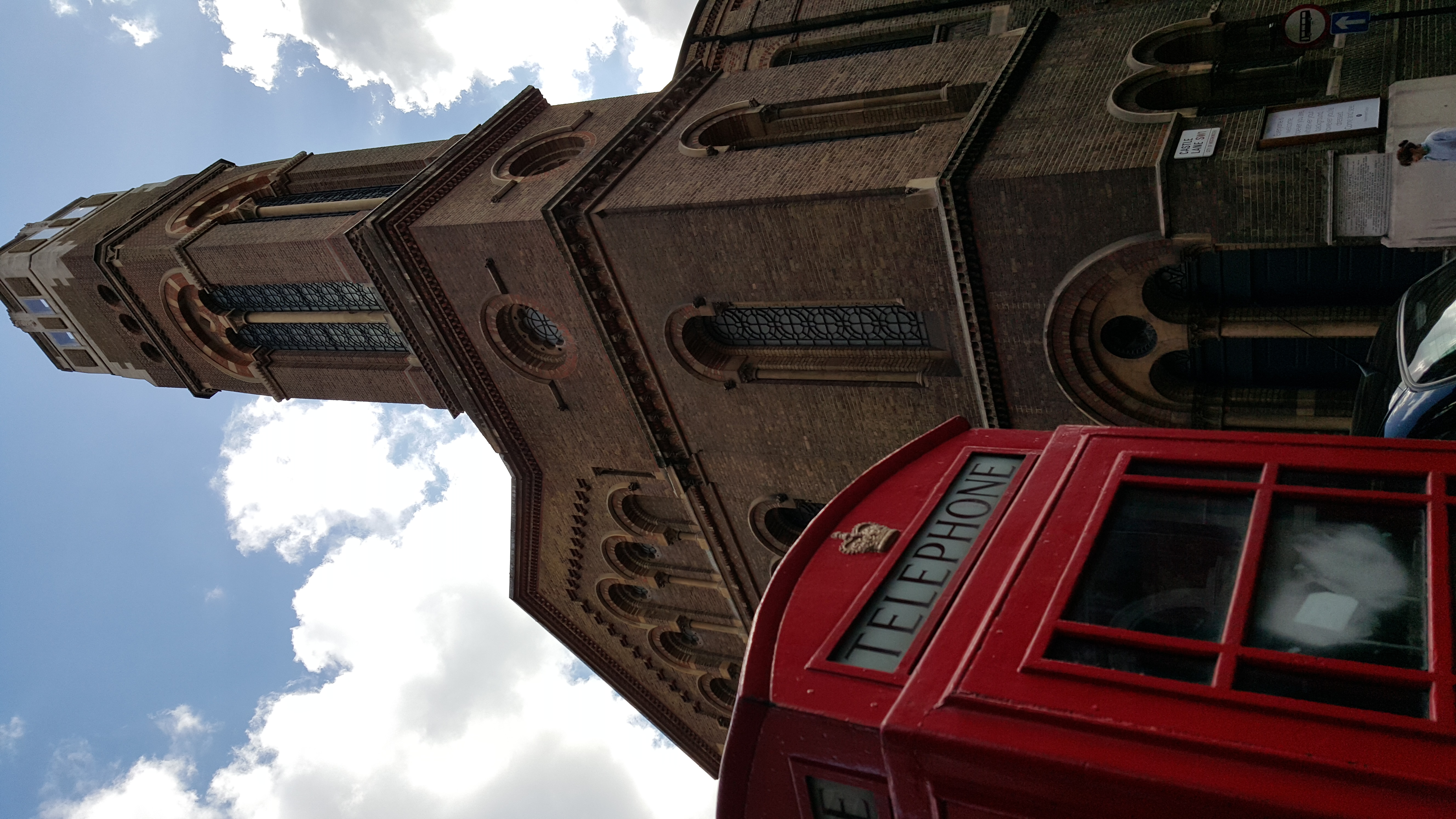
London Streets and City Life
London itself was part of the experience—the shops, streets, architecture, transit, crowds, and the feeling that something historical was around nearly every corner.
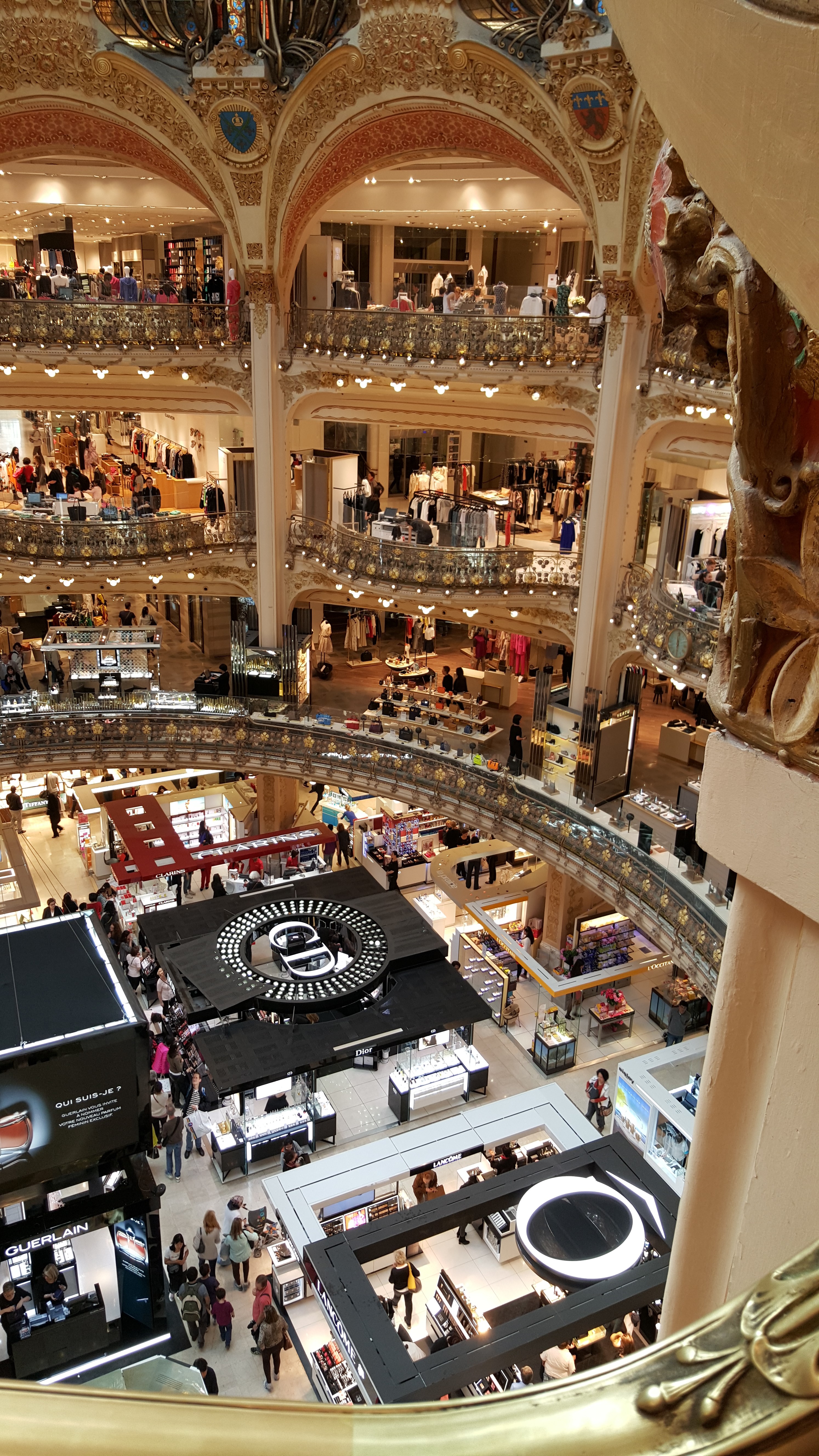
Oxford
We spent time in Oxford, where we took a one-day class and explored the city.
Oxford itself is unusually interesting architecturally because the university is not one single campus. Colleges, libraries, halls, churches, museums, and academic buildings are woven through the city.
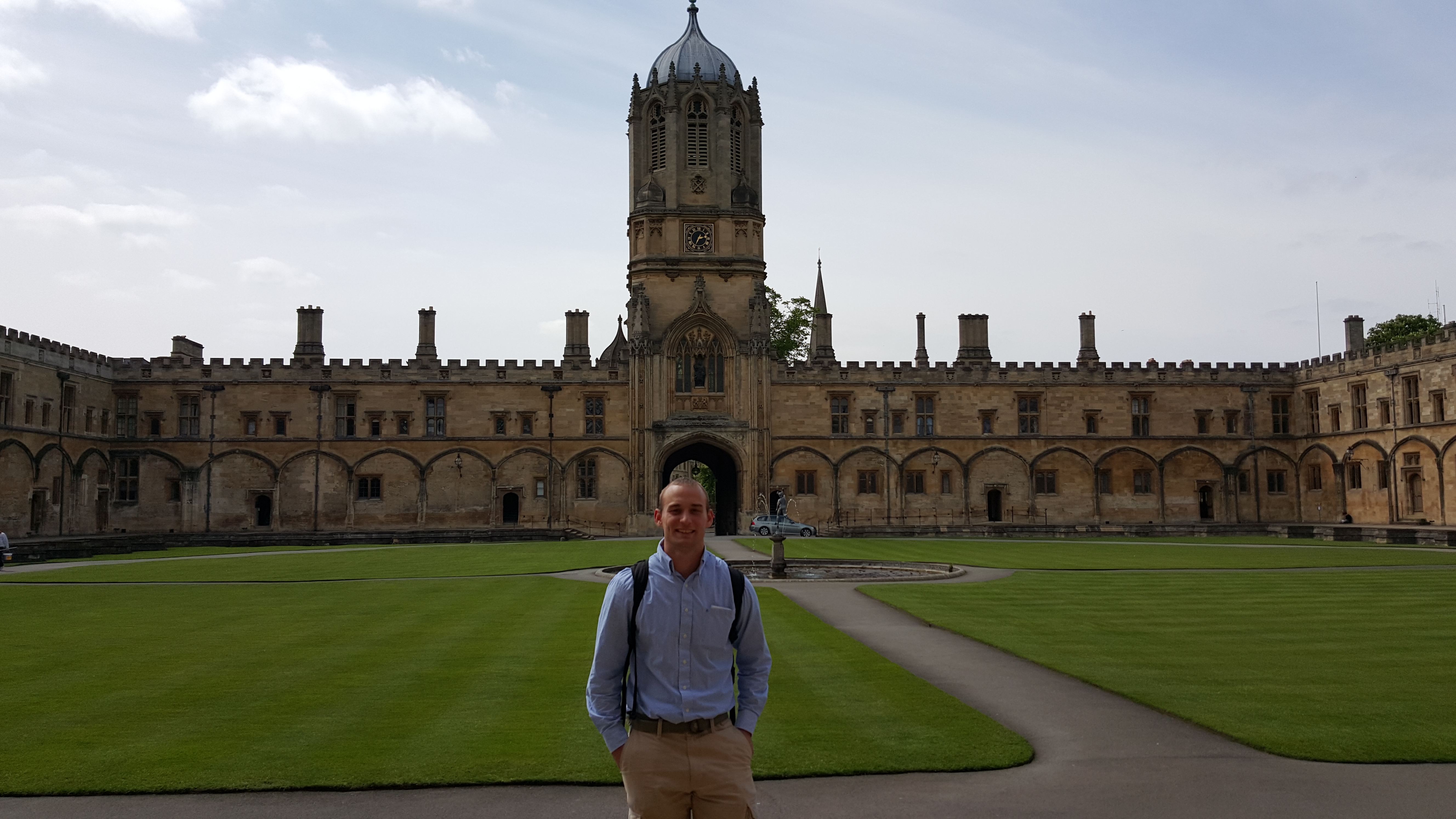
Taking a class there—even briefly—made the study abroad idea feel literal. We were not only visiting historical places; we were actively studying while moving through them.
And just outside the academic atmosphere was MINI Plant Oxford, where a very different kind of learning was happening for me.
Windsor Castle
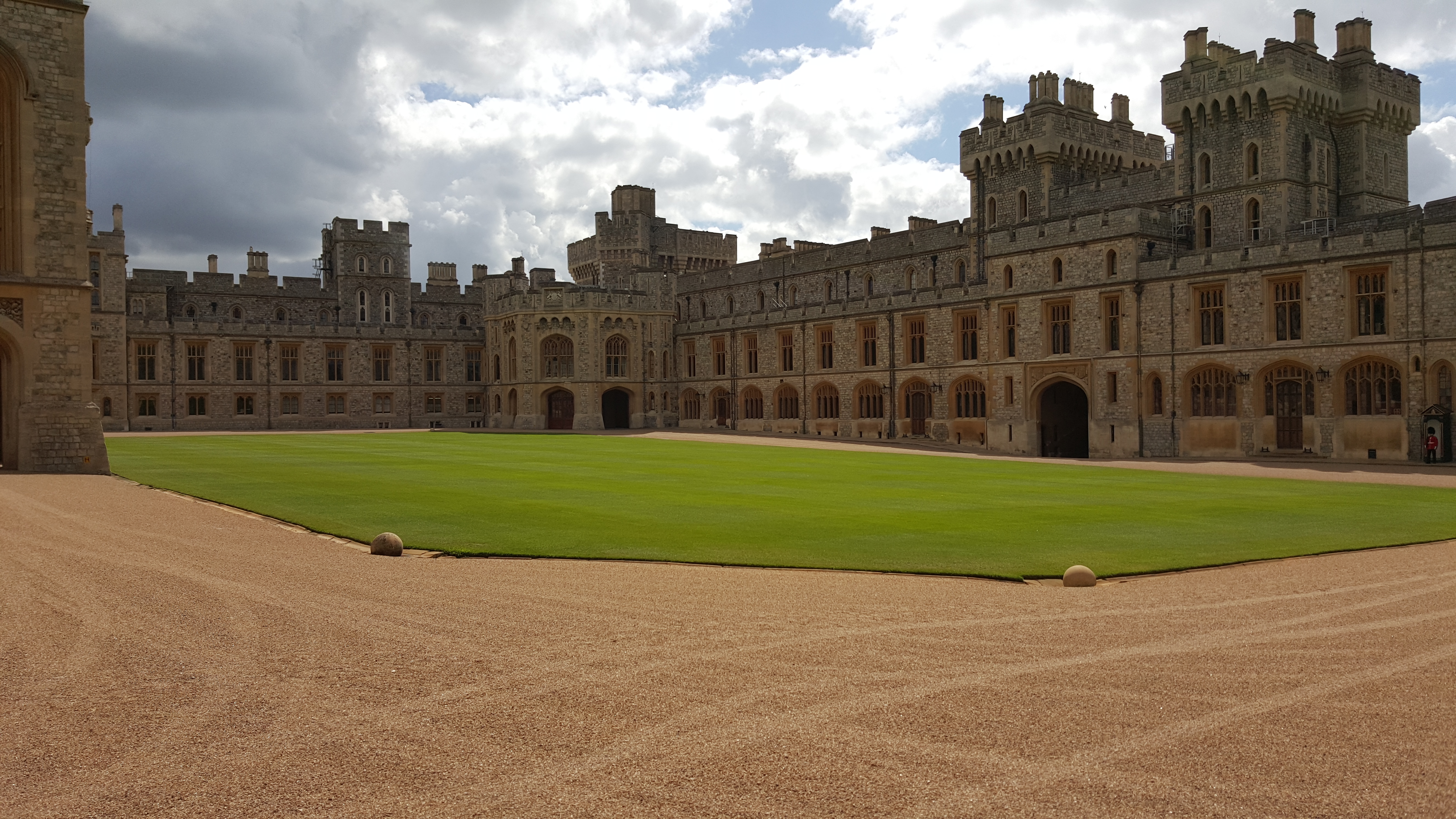
We visited Windsor Castle, founded by William the Conqueror in the 11th century.
The Royal Collection Trust describes Windsor as the oldest and largest occupied castle in the world, with roughly a thousand years of royal history.
We also watched the Changing of the Guard, the ceremonial handoff between soldiers responsible for guarding the royal residence.
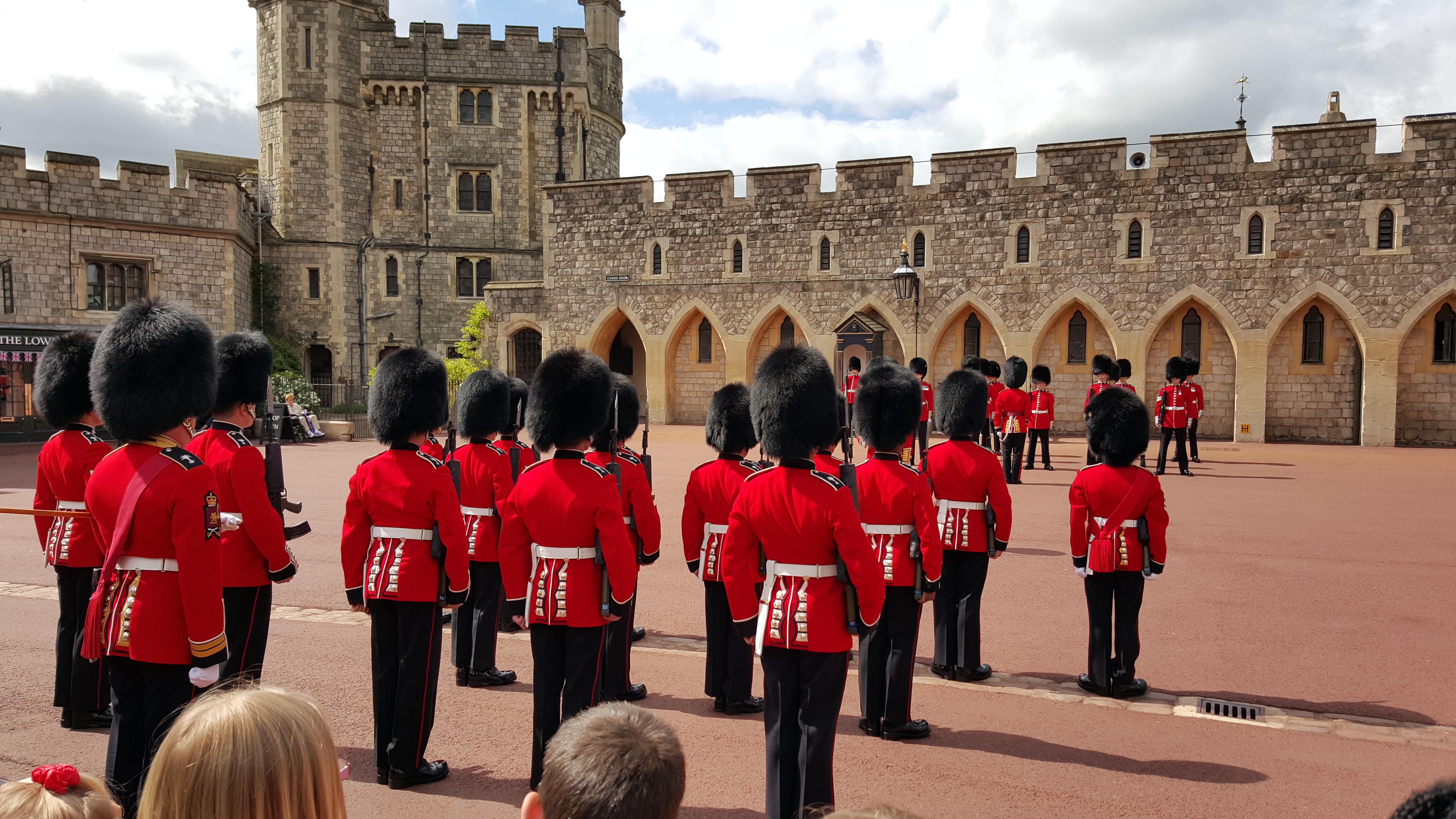
The ceremony is still performed today; the Royal Family maintains a Changing the Guard guide.
Bath and the Roman Baths
In Bath, we visited the Roman Baths.
The Romans developed the site around a natural thermal spring in the city they called Aquae Sulis. The surviving complex includes the Sacred Spring, Roman temple remains, and bath structures.
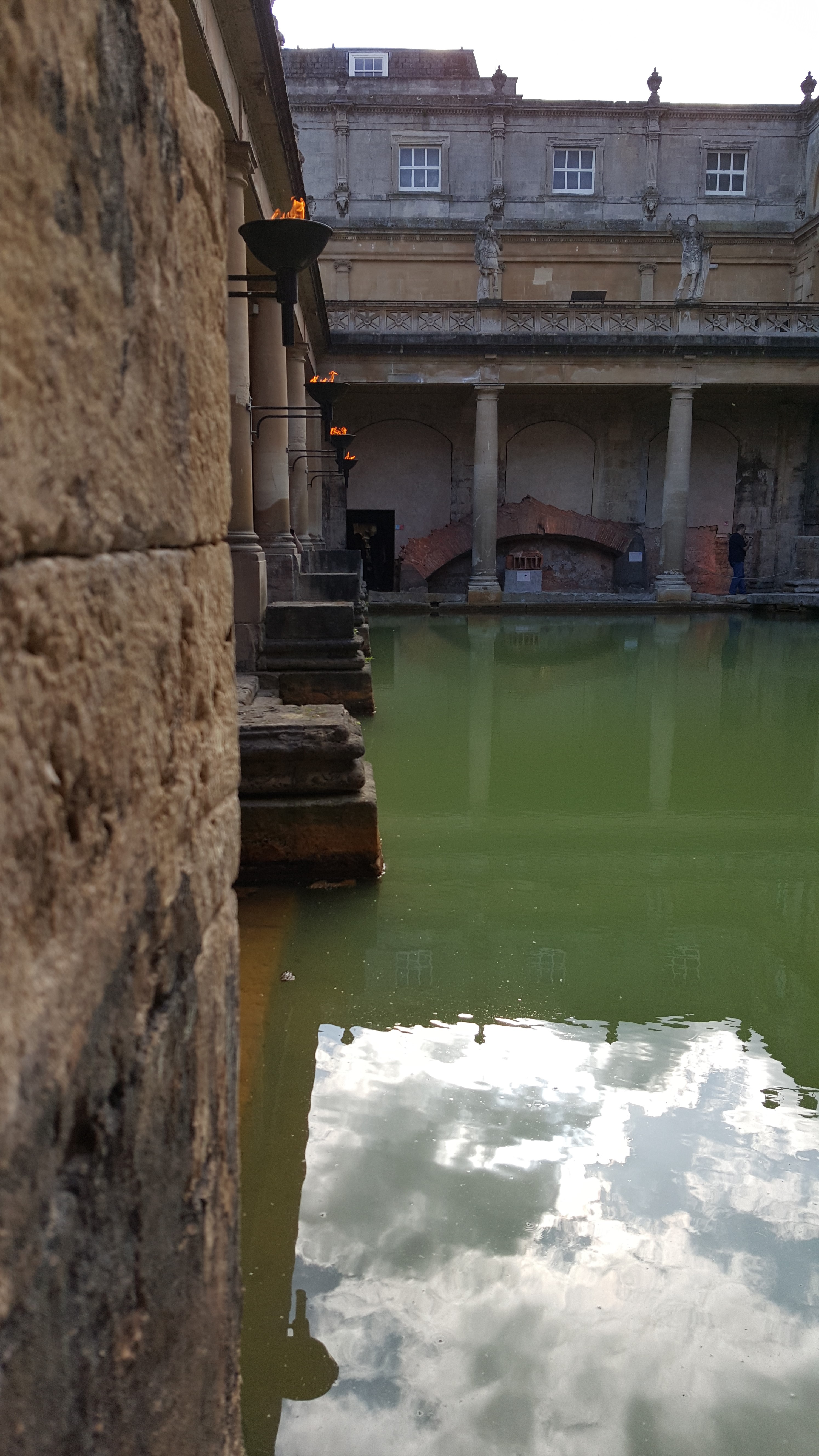
For me, the site was another engineering lesson hidden inside history.
The Romans were designing water systems, masonry structures, heating systems, drainage, public facilities, and urban infrastructure nearly two thousand years ago. Studying them while physically walking through what remained was very different from reading about Roman engineering in a book.
Stonehenge
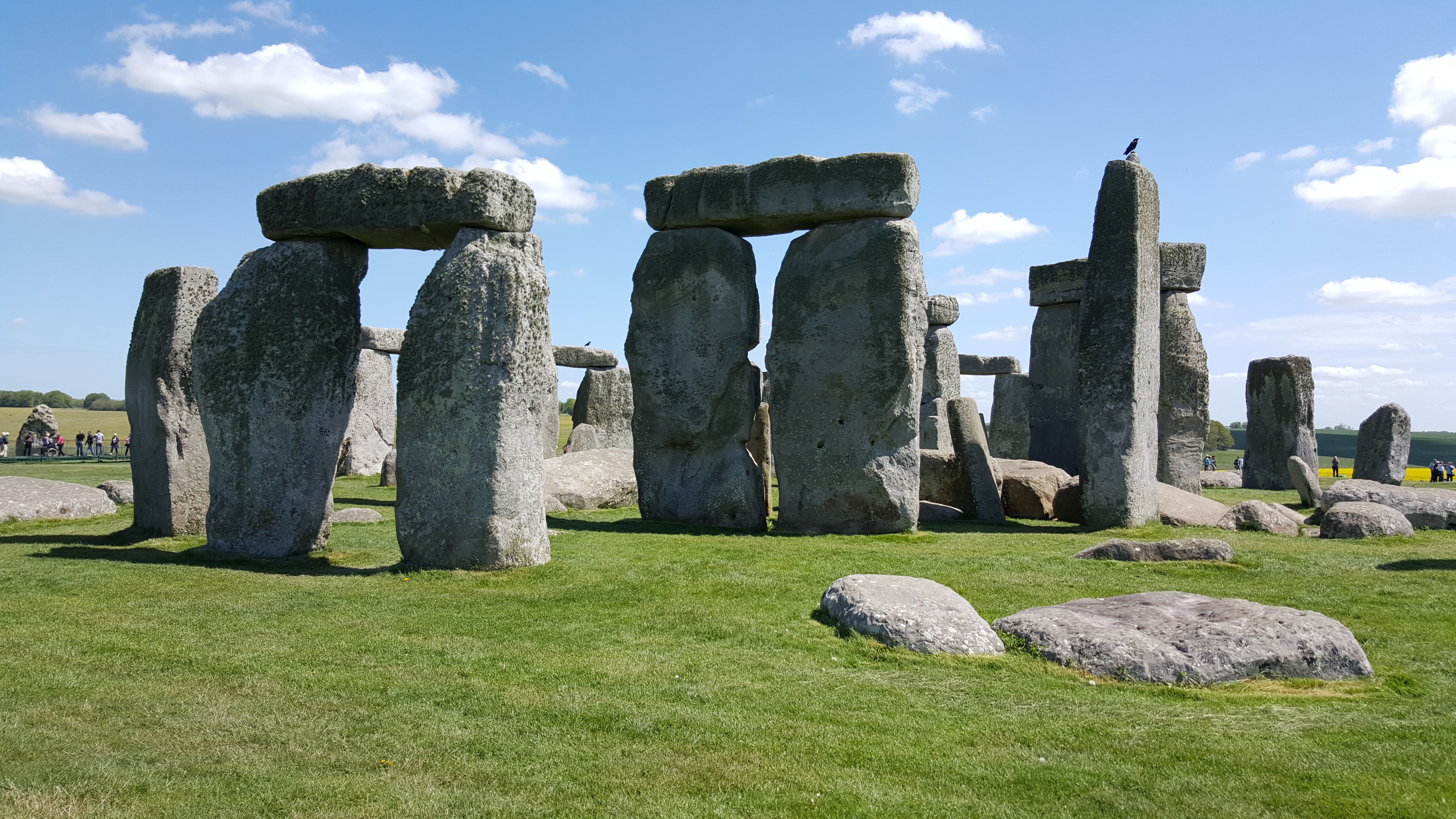
We also visited Stonehenge.
The monument is prehistoric, with major phases of construction dating back thousands of years. What fascinated me was not only why it was built, which remains partly mysterious, but the practical problem of building it.
How were enormous stones transported?
How were they raised?
How were lintels placed on top?
How much planning, labor, experimentation, and organization was needed without modern machinery?
Dover
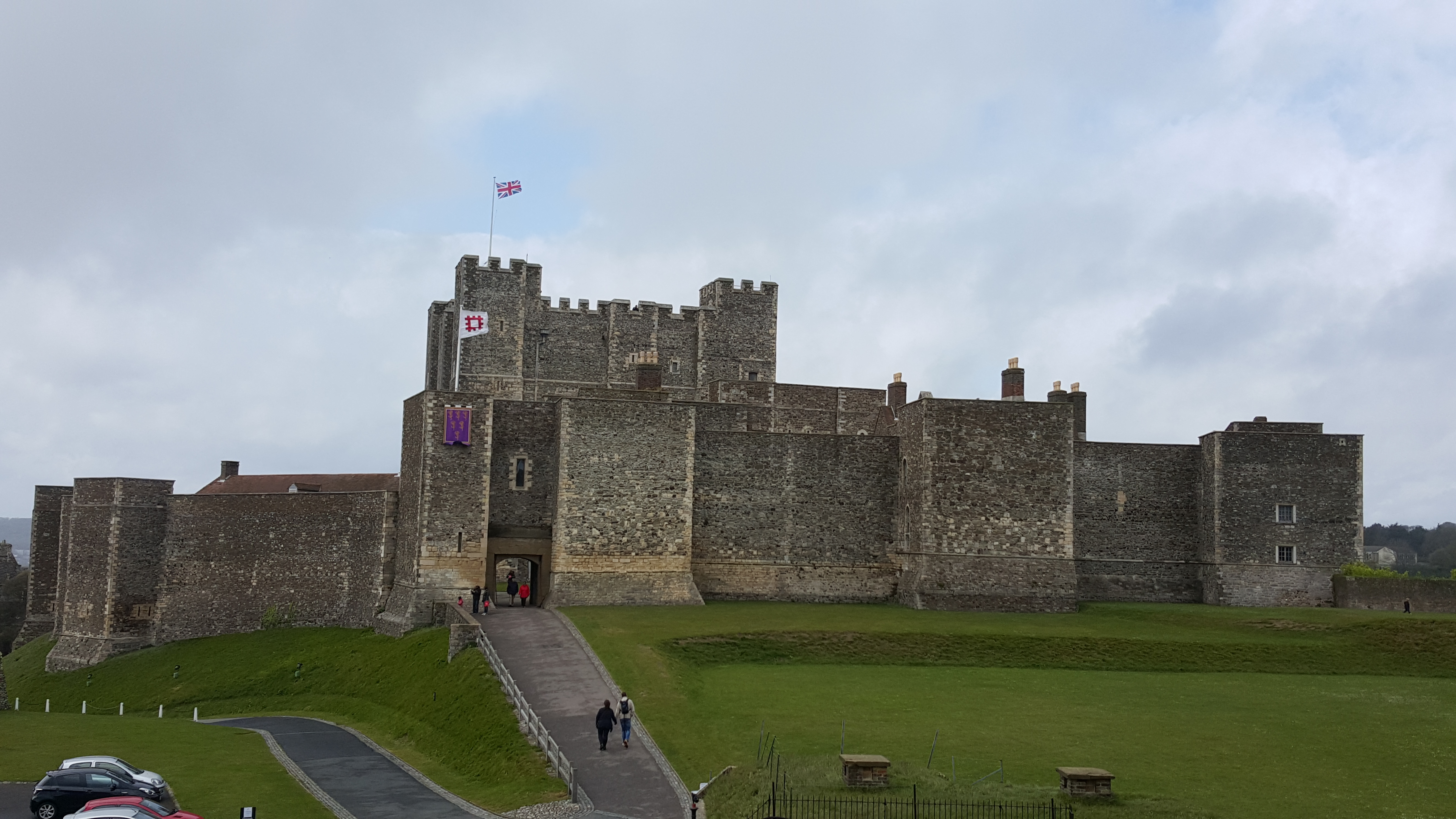
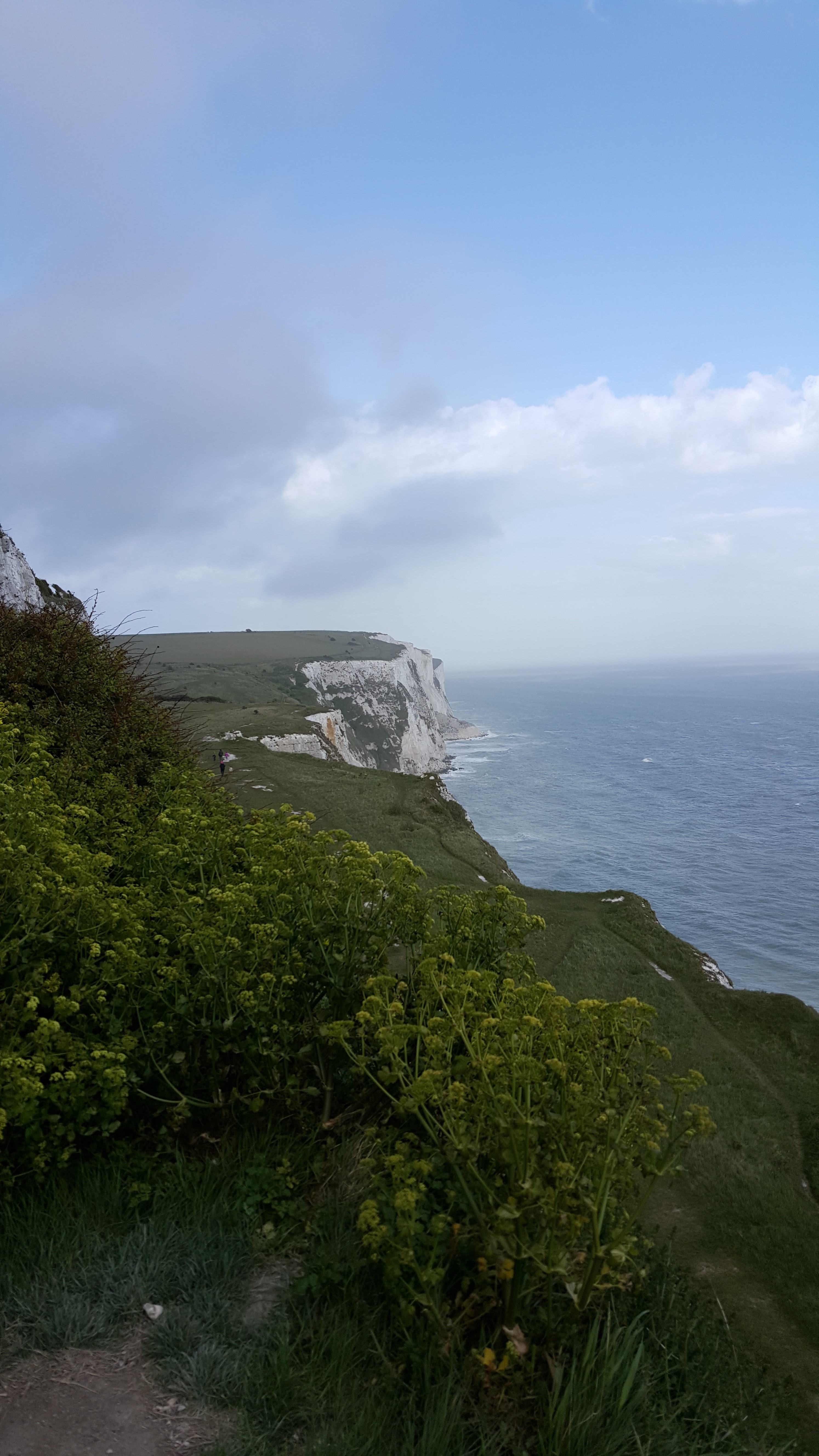
At Dover, we visited Dover Castle and the White Cliffs of Dover.
Dover Castle has guarded the English Channel for centuries and occupies one of the most strategically important locations in England. The cliffs themselves are formed largely from chalk and create the brilliant white face for which the coast is famous.
The English Countryside
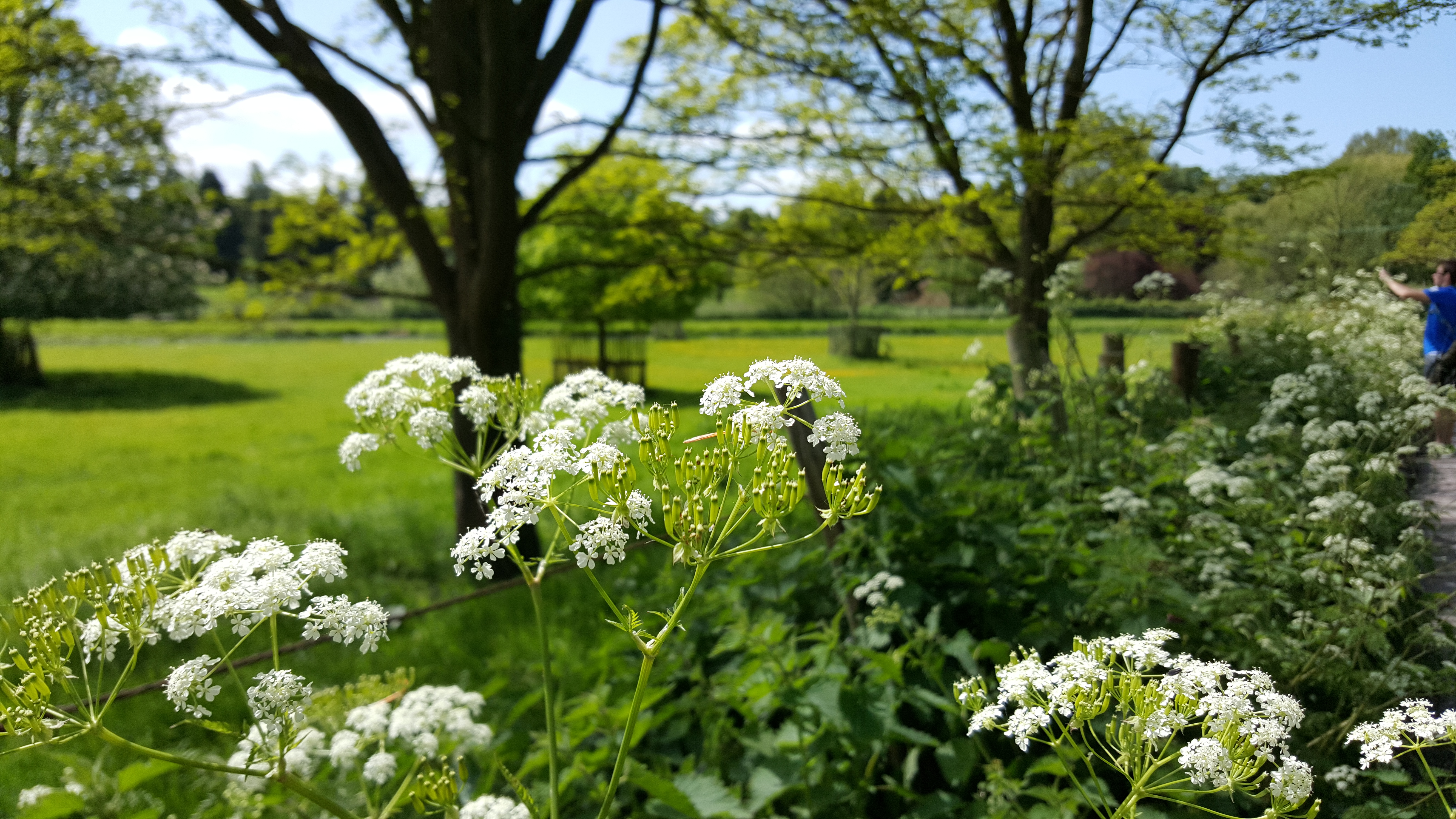
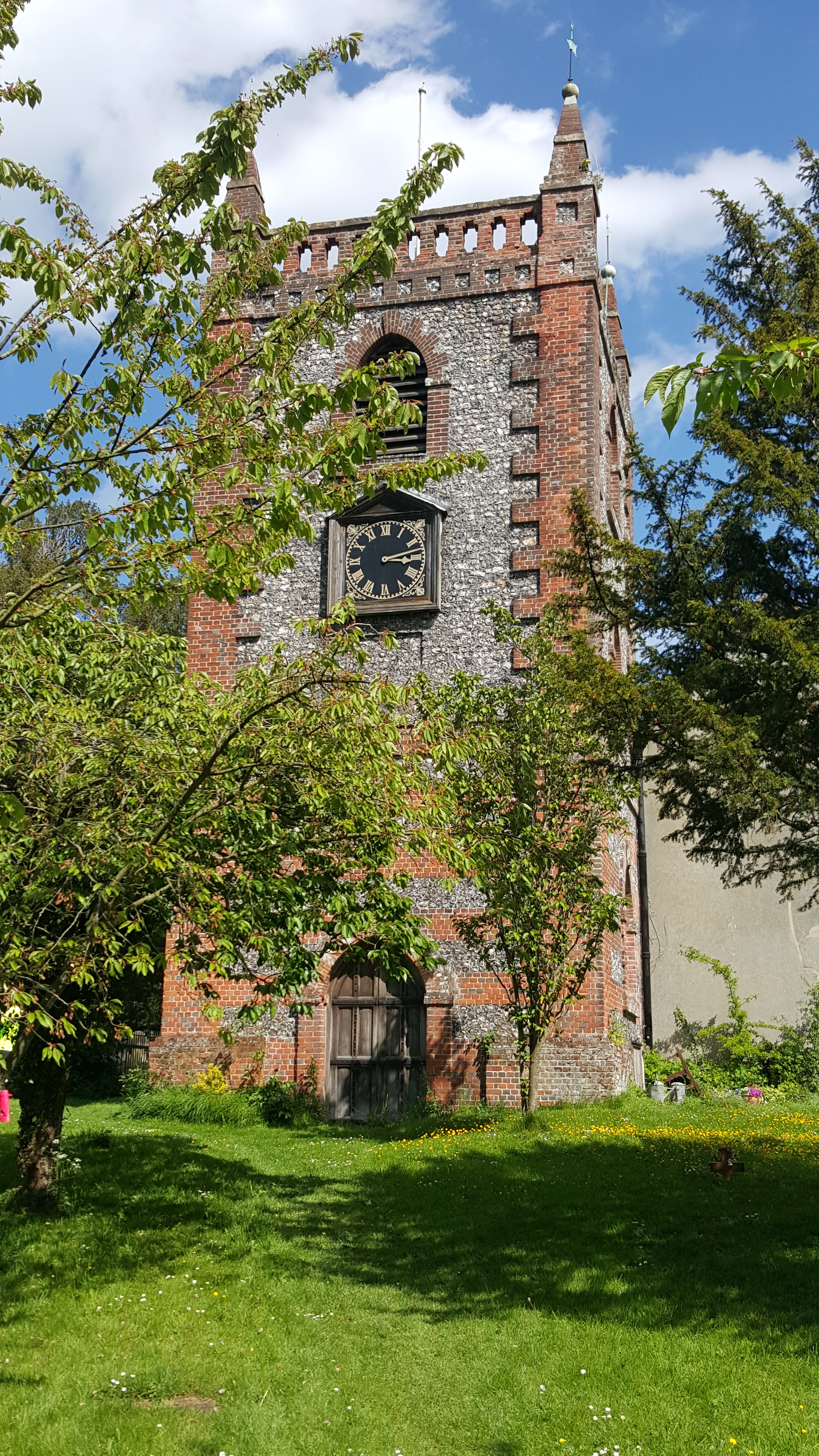
Away from London, I loved how quickly England became green and quiet.
Historic churches, villages, fields, and rolling countryside made the trip feel completely different from the major cities.
Scotland
Scotland added another dramatic change in landscape and atmosphere.
Edinburgh
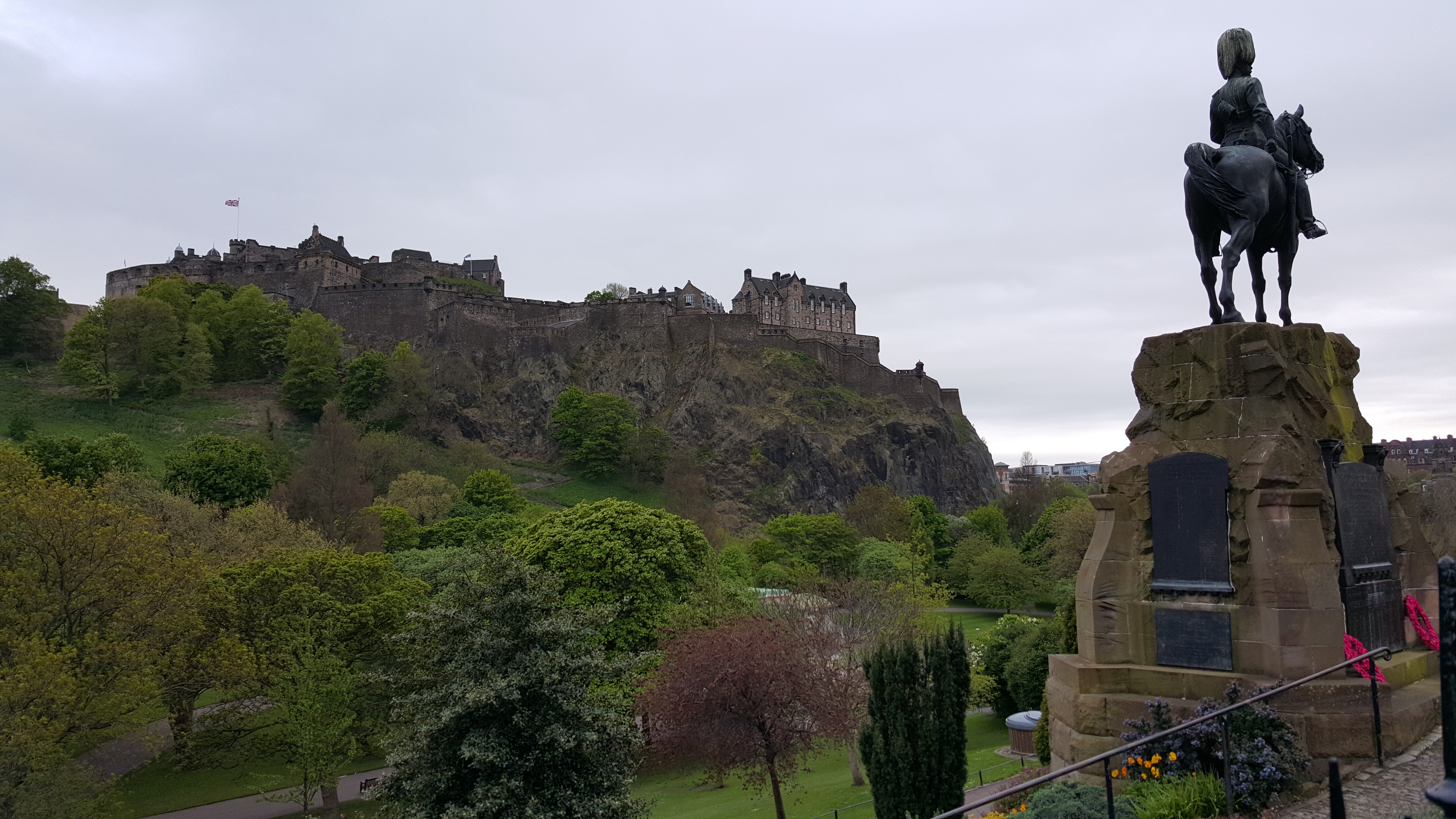
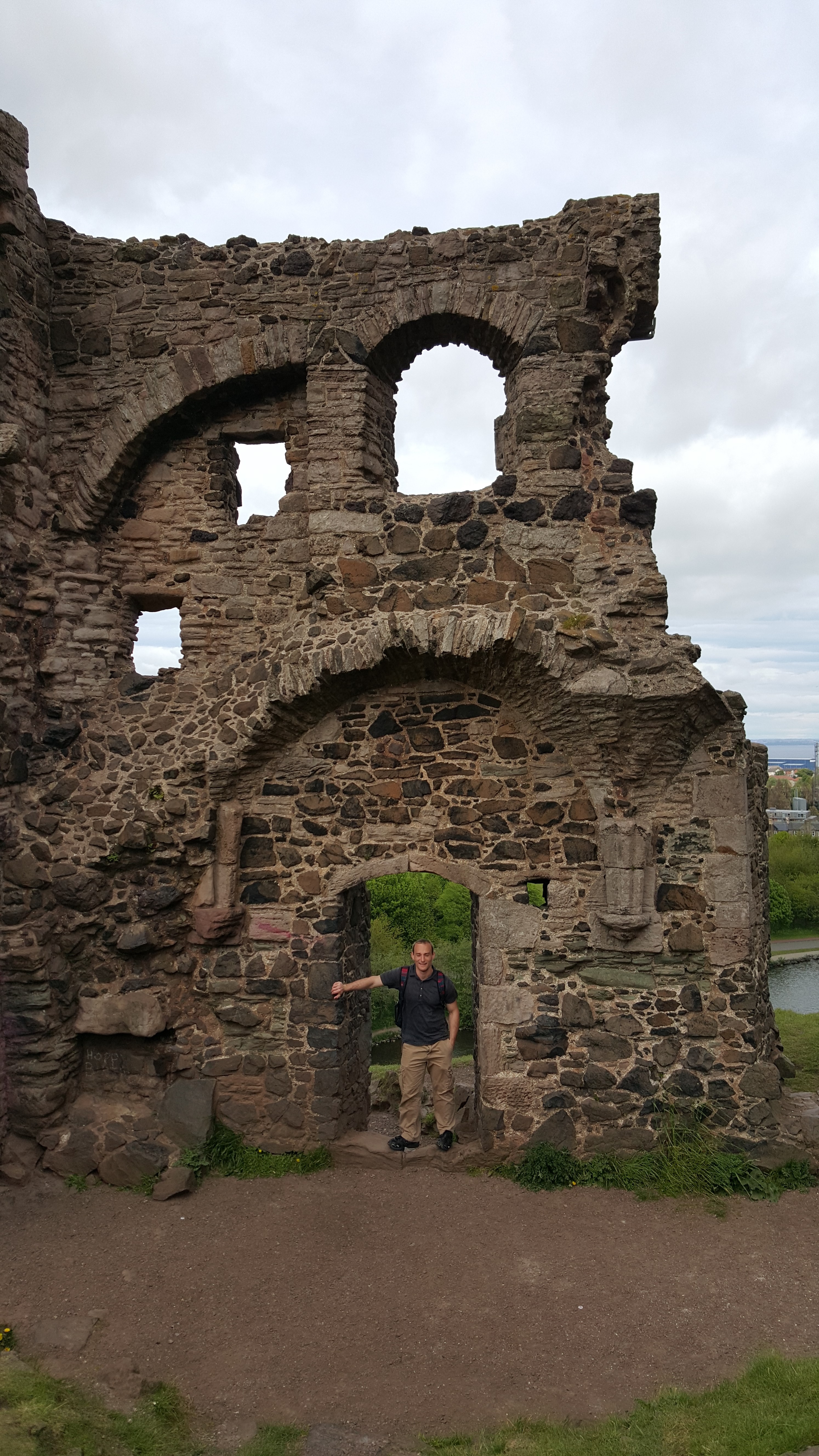
In Edinburgh, we visited Edinburgh Castle, which dominates the city from Castle Rock.
The castle has been a royal residence, military stronghold, prison, and fortress. Its position alone explains much of its history: the steep volcanic rock gives it a naturally defensible location above the city.
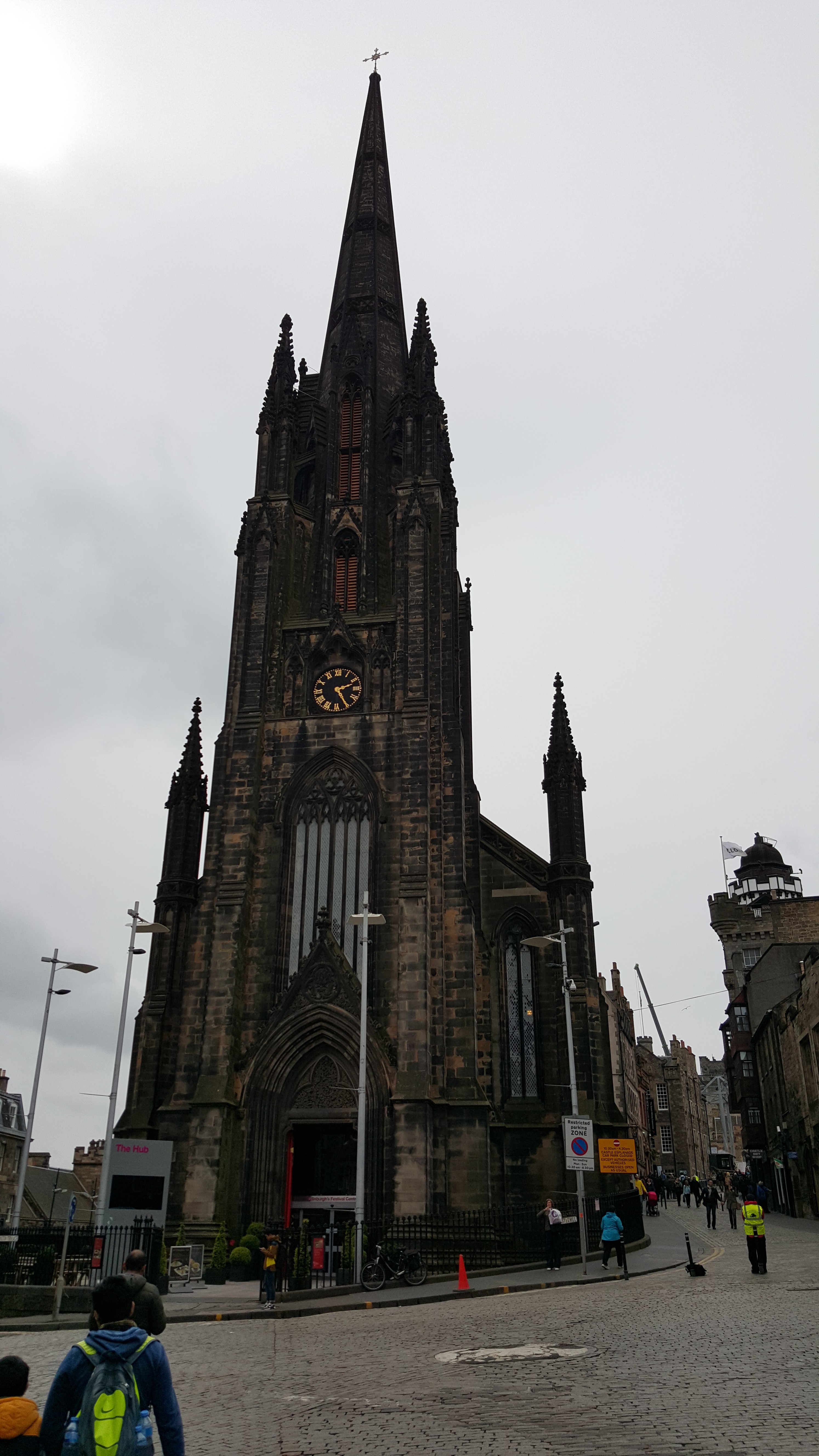
Scotland outside the city was equally memorable.
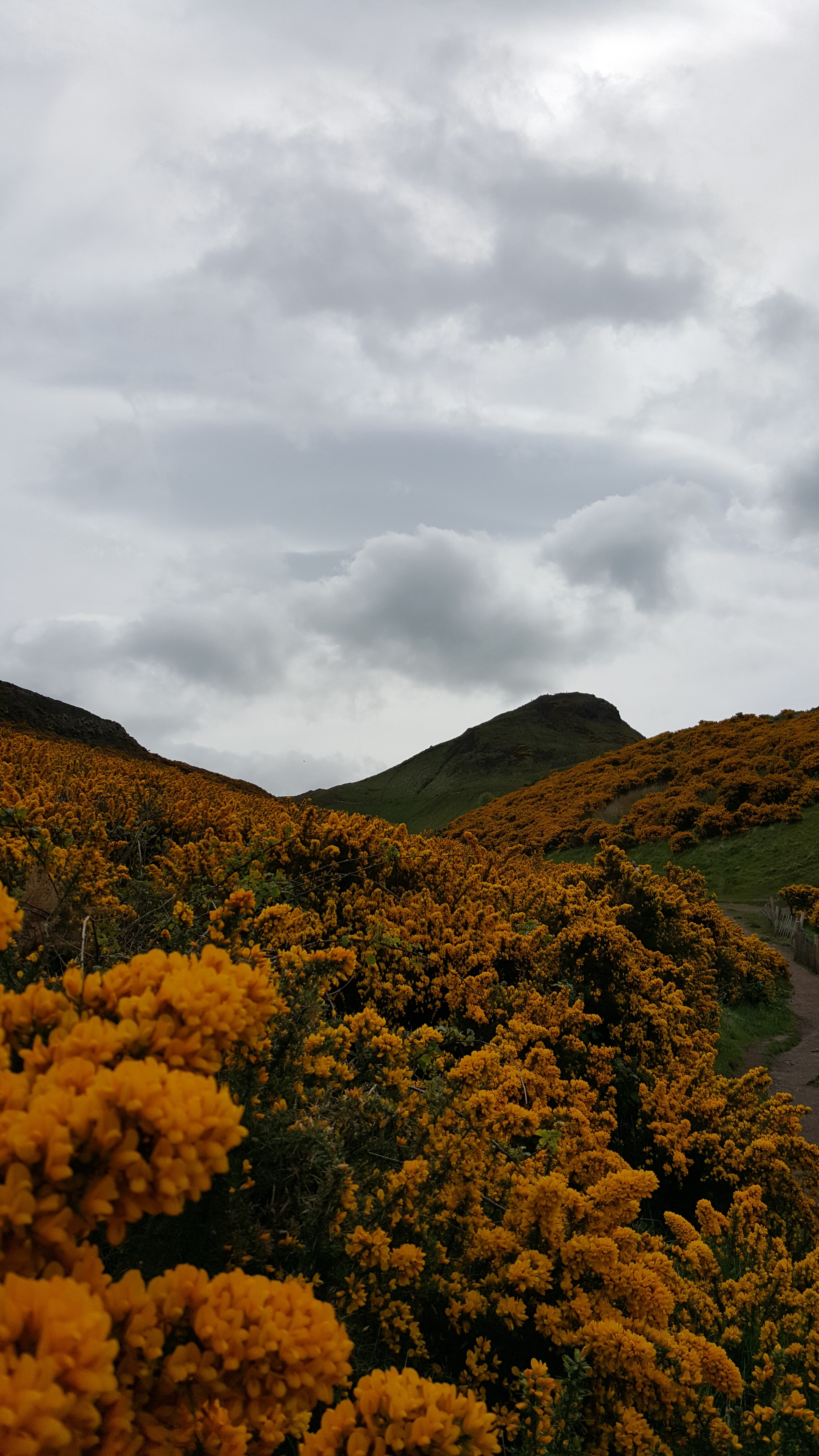
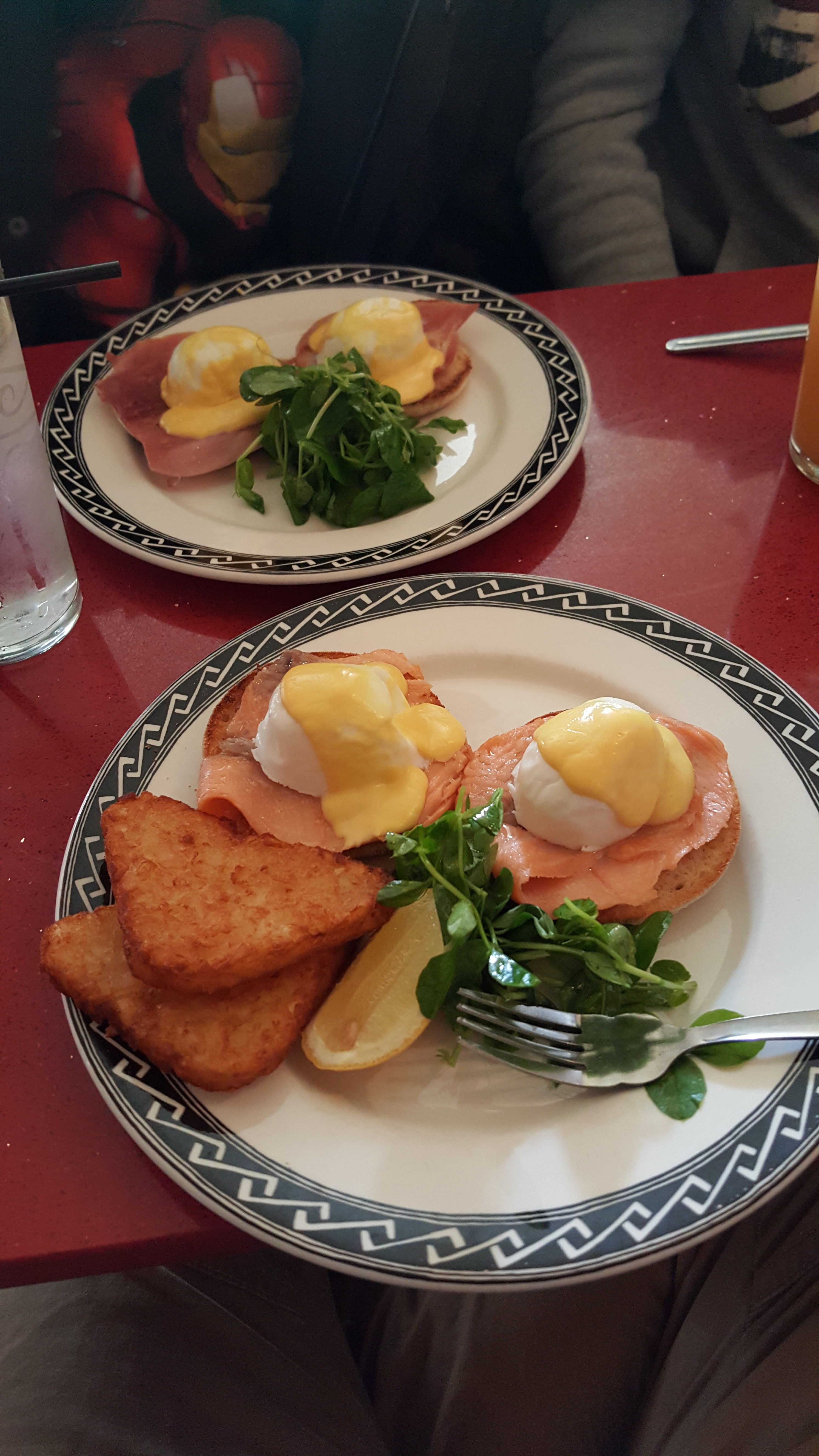
We also tried a traditional Scottish breakfast.
France
France was where the trip shifted heavily toward art, food, architecture, and the contrast between Paris and the quieter countryside.
Paris
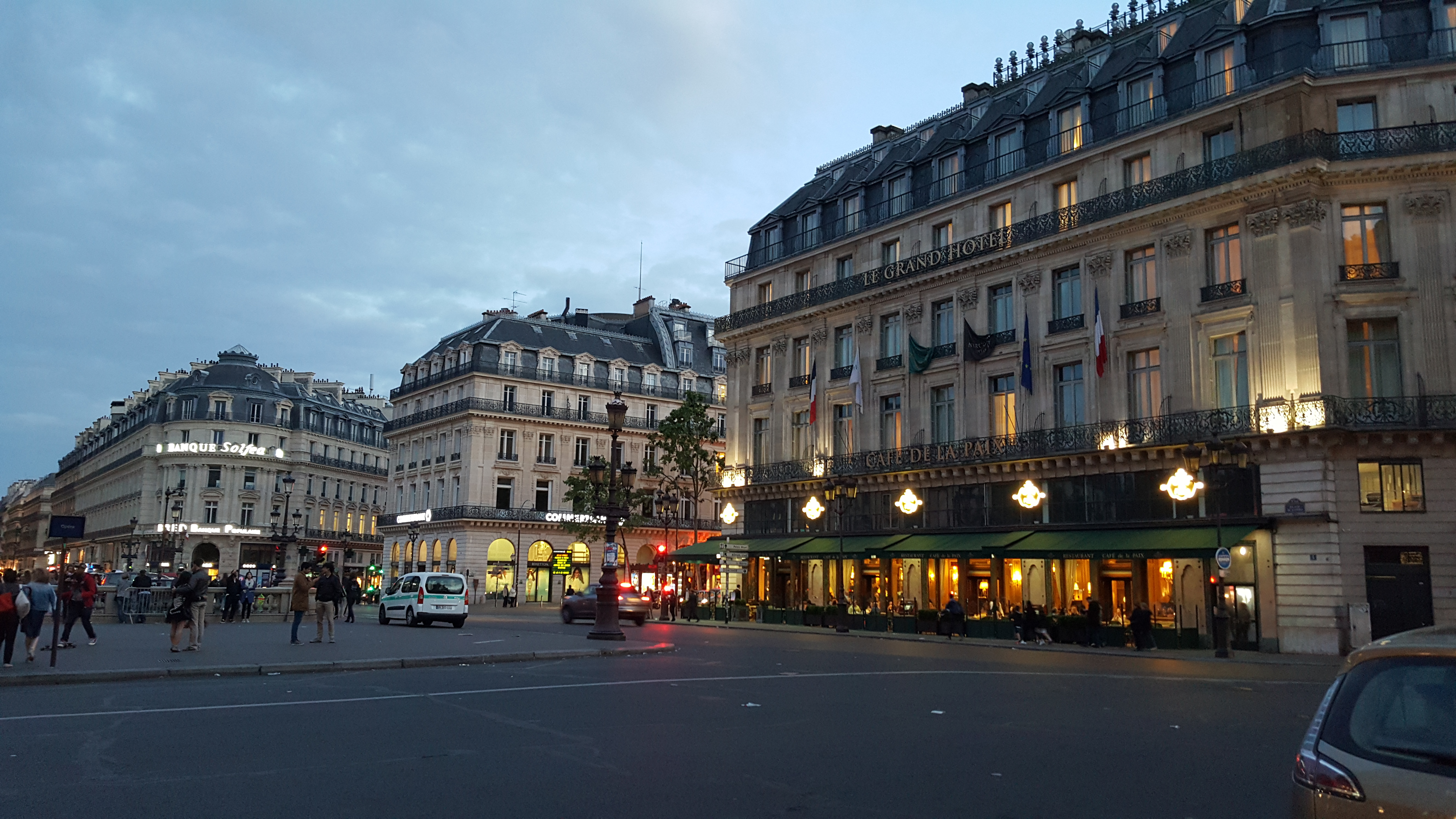
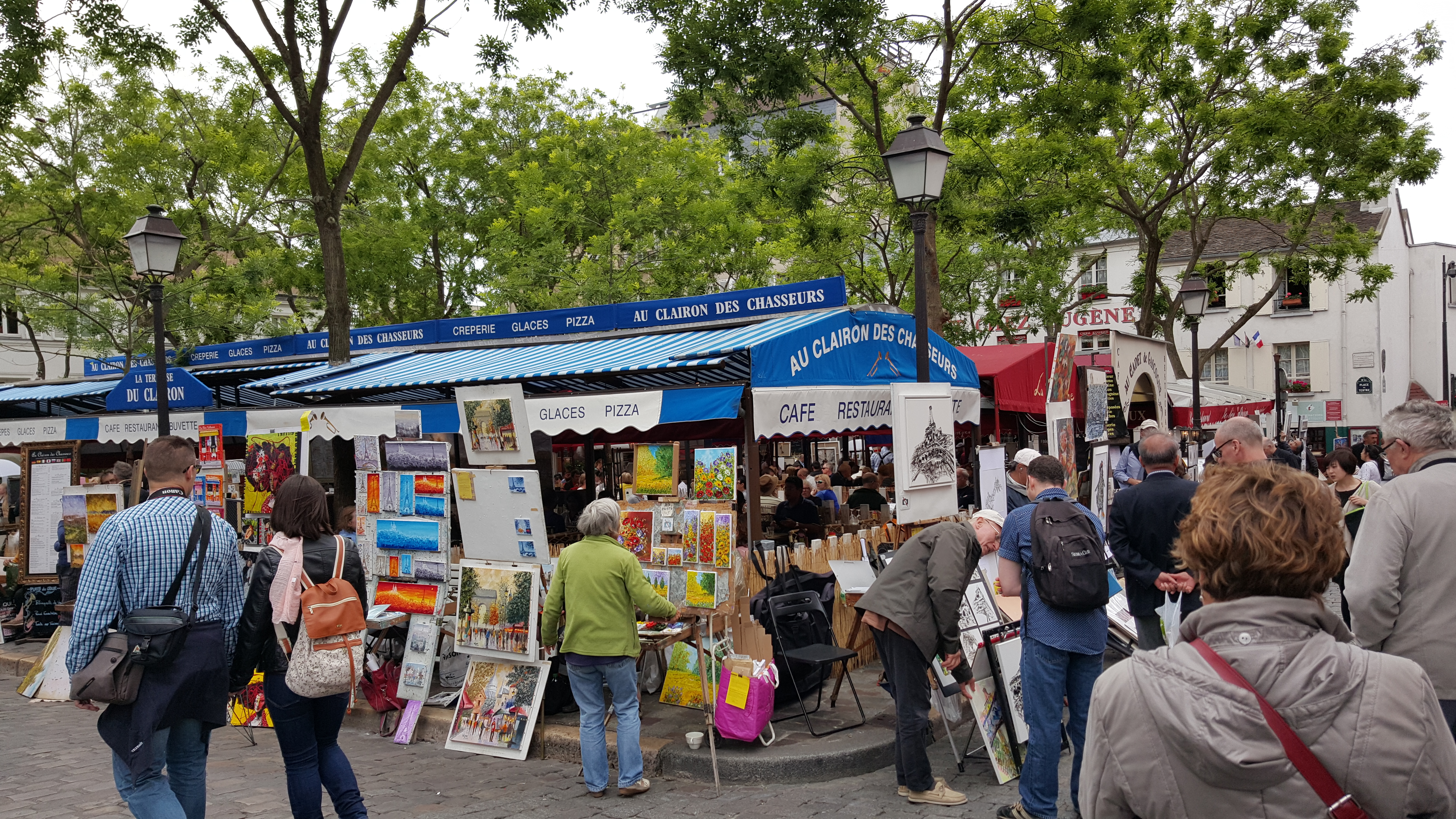
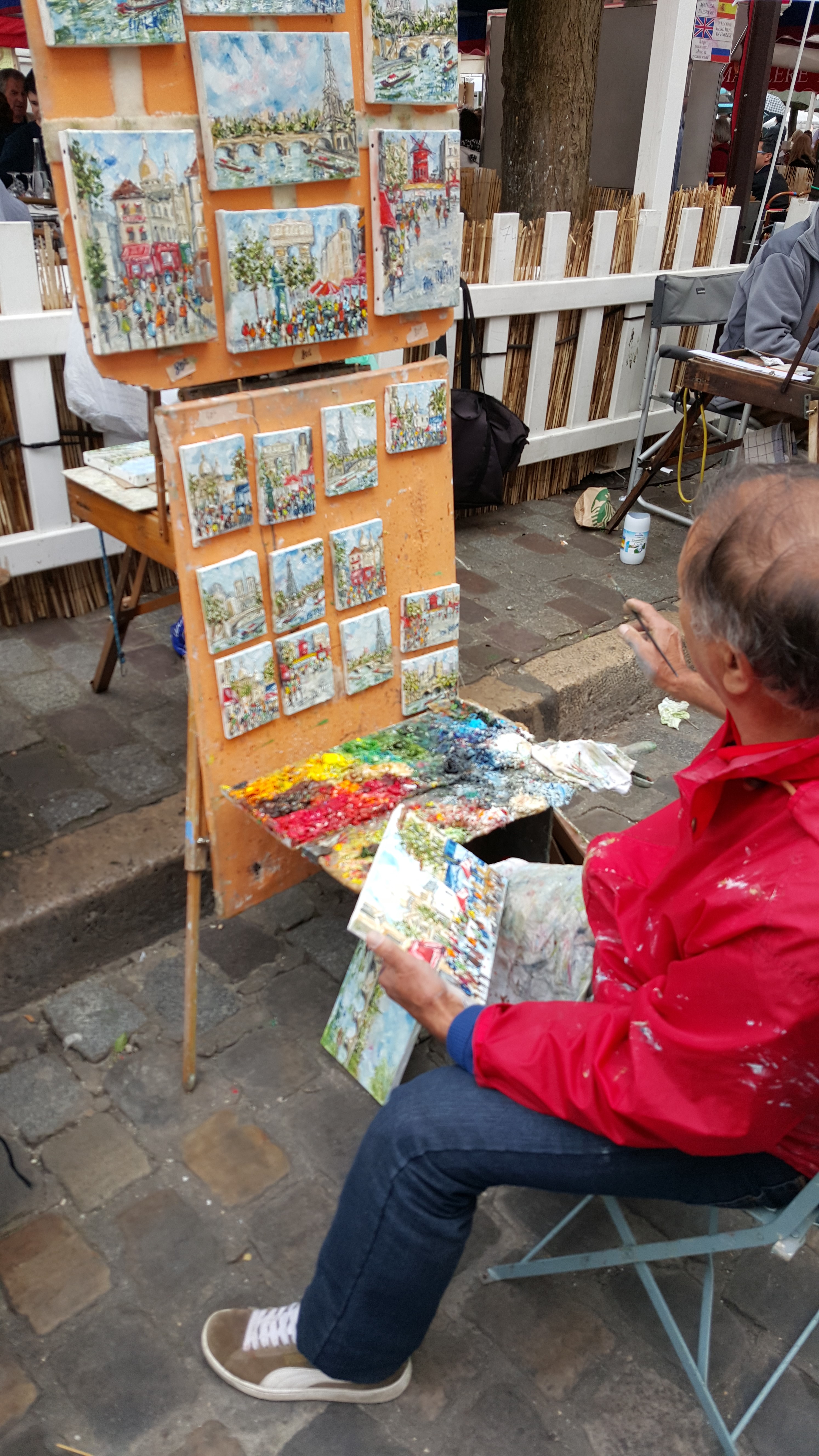
Paris felt almost like an outdoor museum.
There were artists working along the streets, cafés everywhere, monumental buildings, museums, churches, bridges, and architecture that made even an ordinary walk interesting.
Eiffel Tower
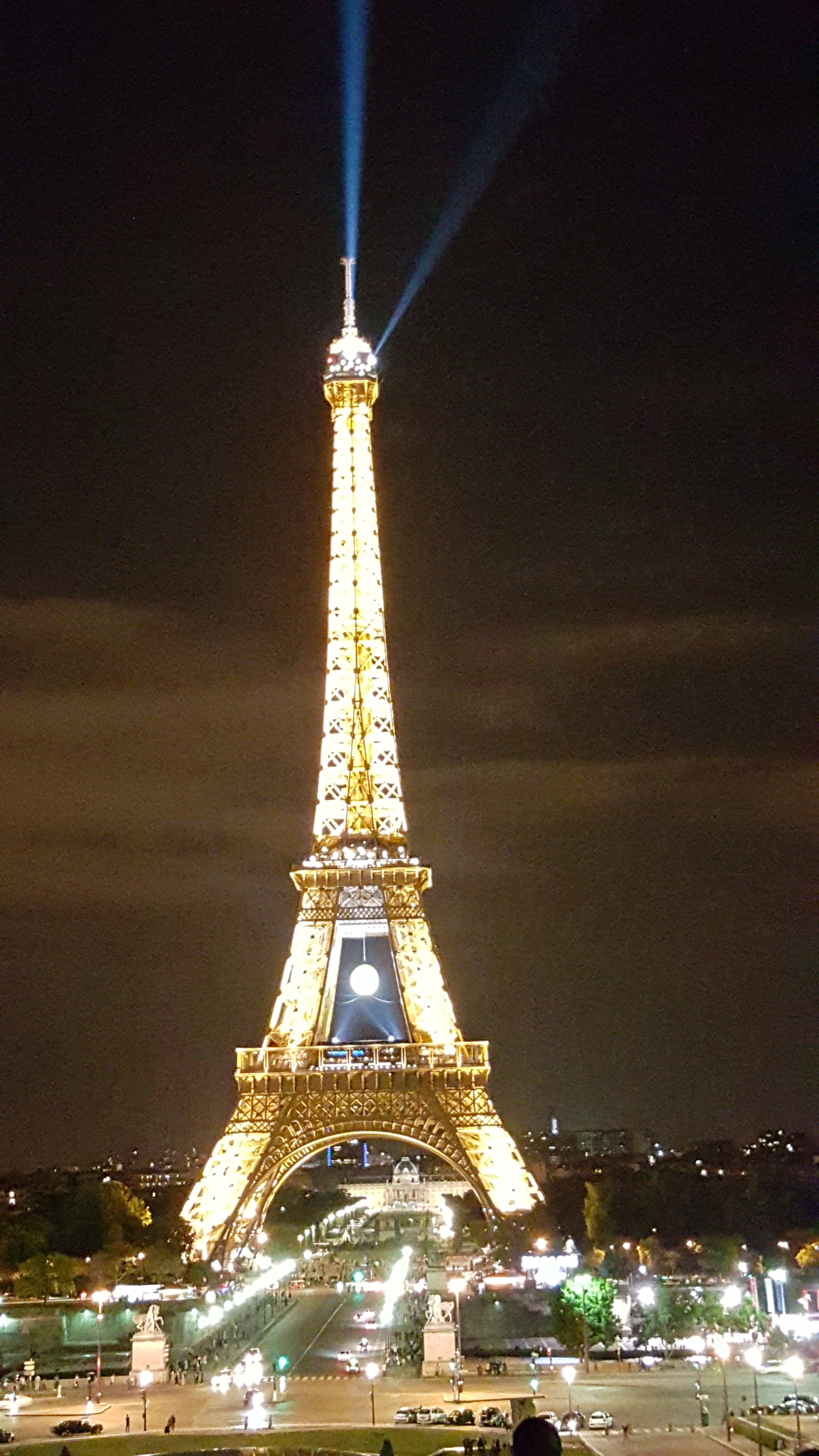
The Eiffel Tower is one of those structures so familiar from photographs that it is easy to overlook how radical its engineering was when completed for the 1889 World’s Fair.
As a civil engineering student, seeing it in person made me think about its iron lattice structure differently. The visual form is the structure.
Notre-Dame de Paris
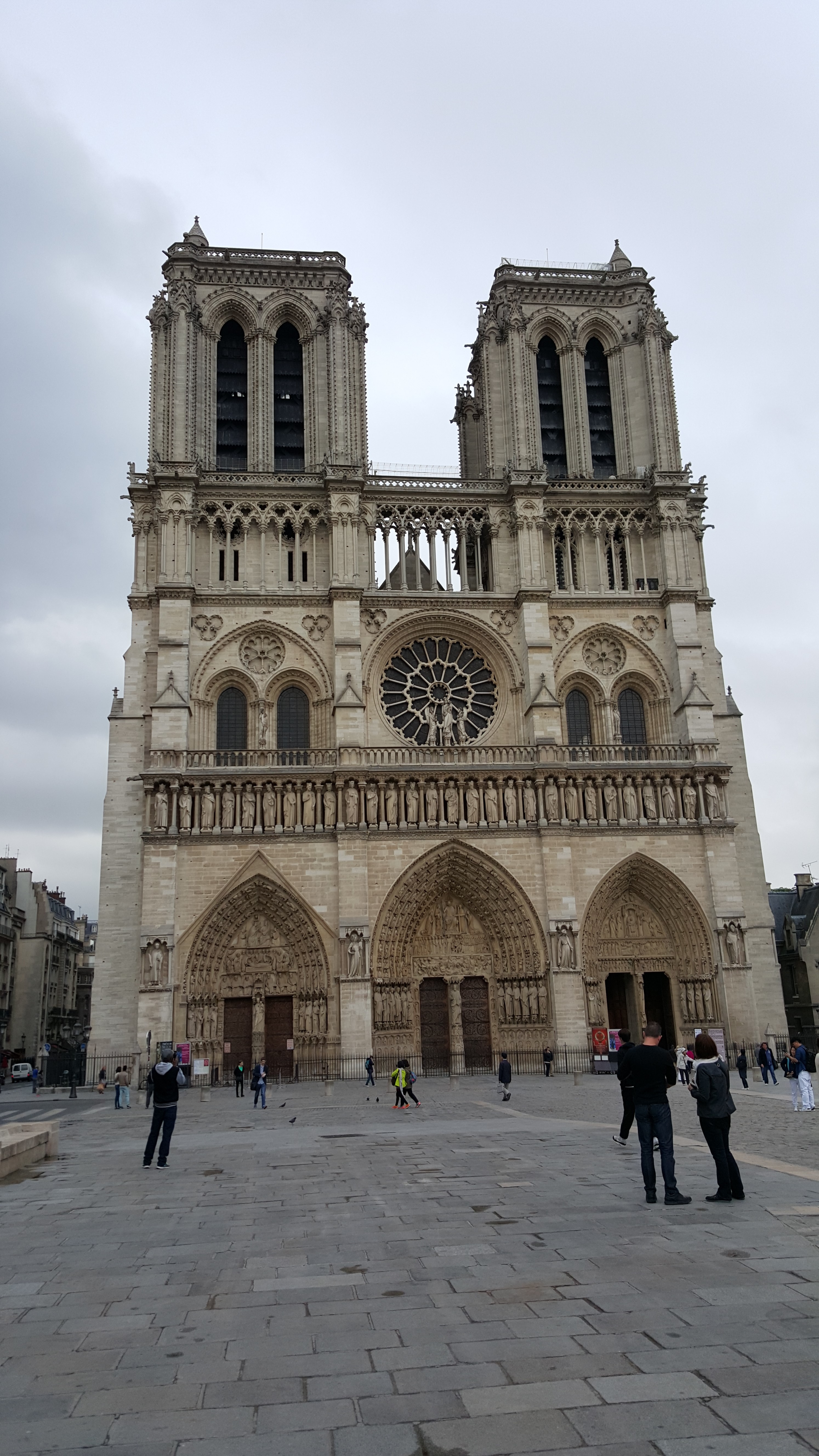
We also visited Notre-Dame Cathedral.
This was in 2015, four years before the catastrophic 2019 fire. Seeing my photographs now carries a different significance because they captured the cathedral before the fire and the enormous restoration effort that followed.
I was especially interested in the Gothic structural system: pointed arches, ribbed vaults, masonry piers, and flying buttresses redirecting enormous loads while allowing the walls to open for windows.
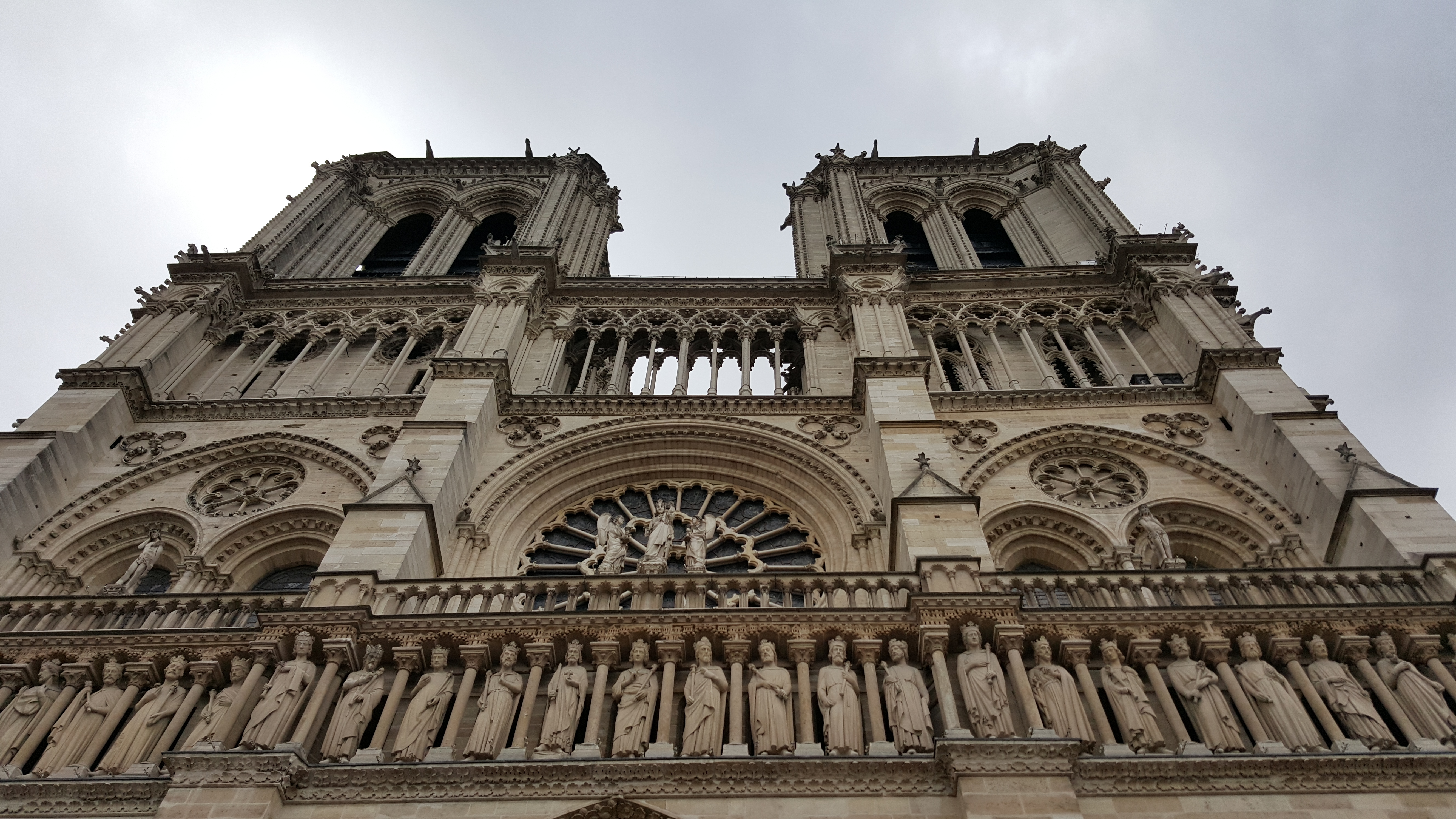
Notre-Dame reopened to visitors after restoration in December 2024, and the cathedral maintains current visitor information.
Louvre Museum
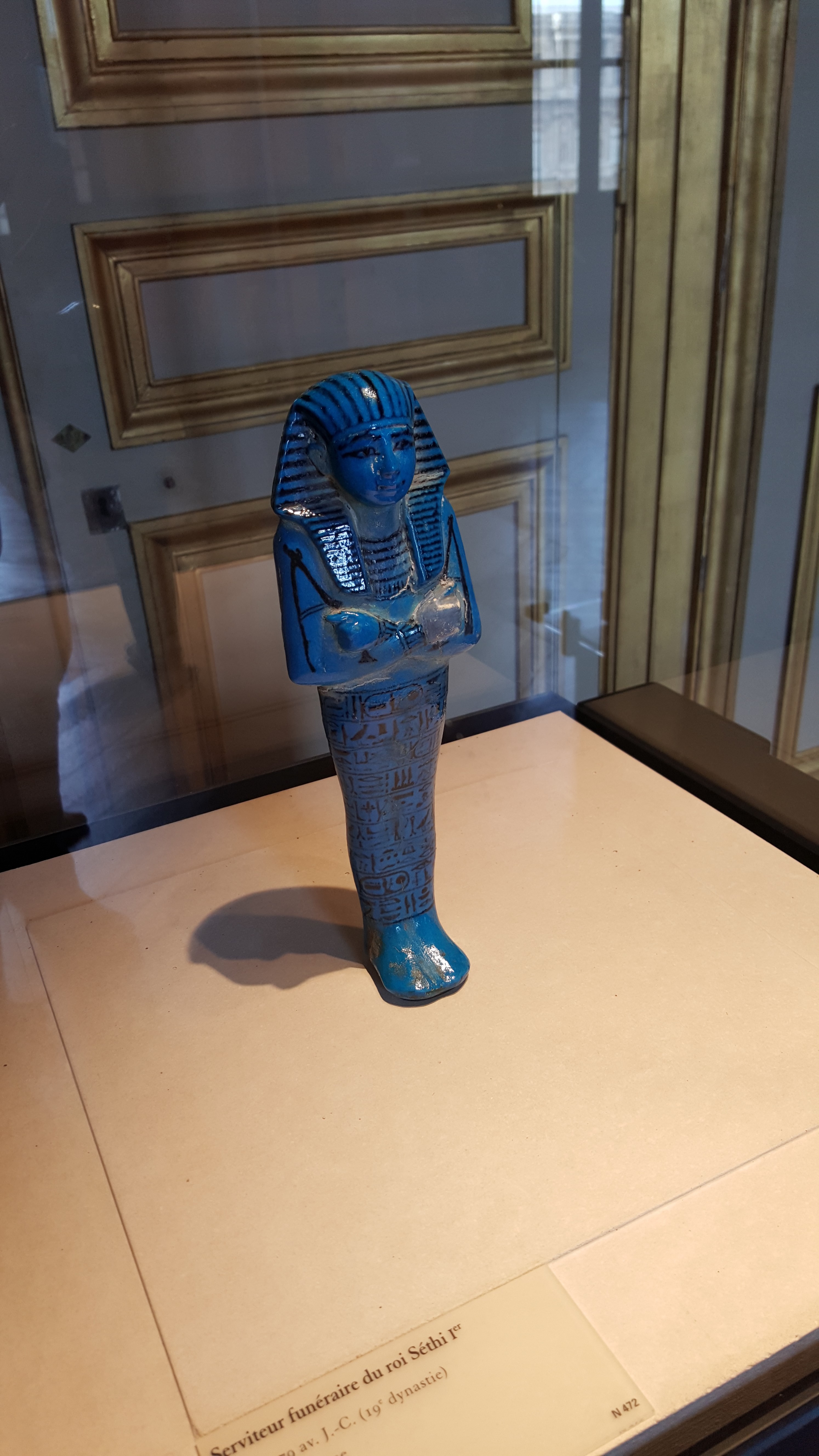
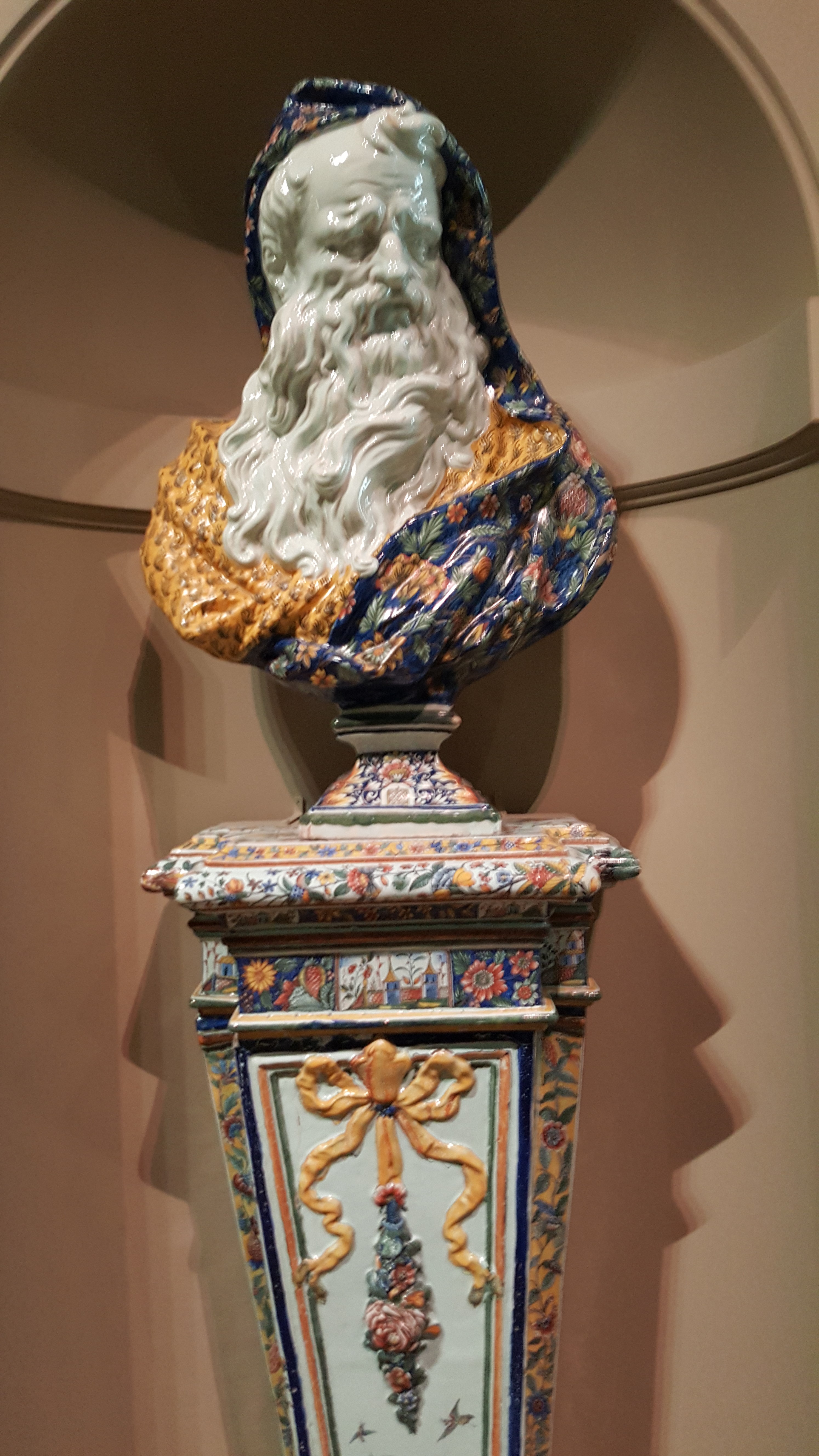
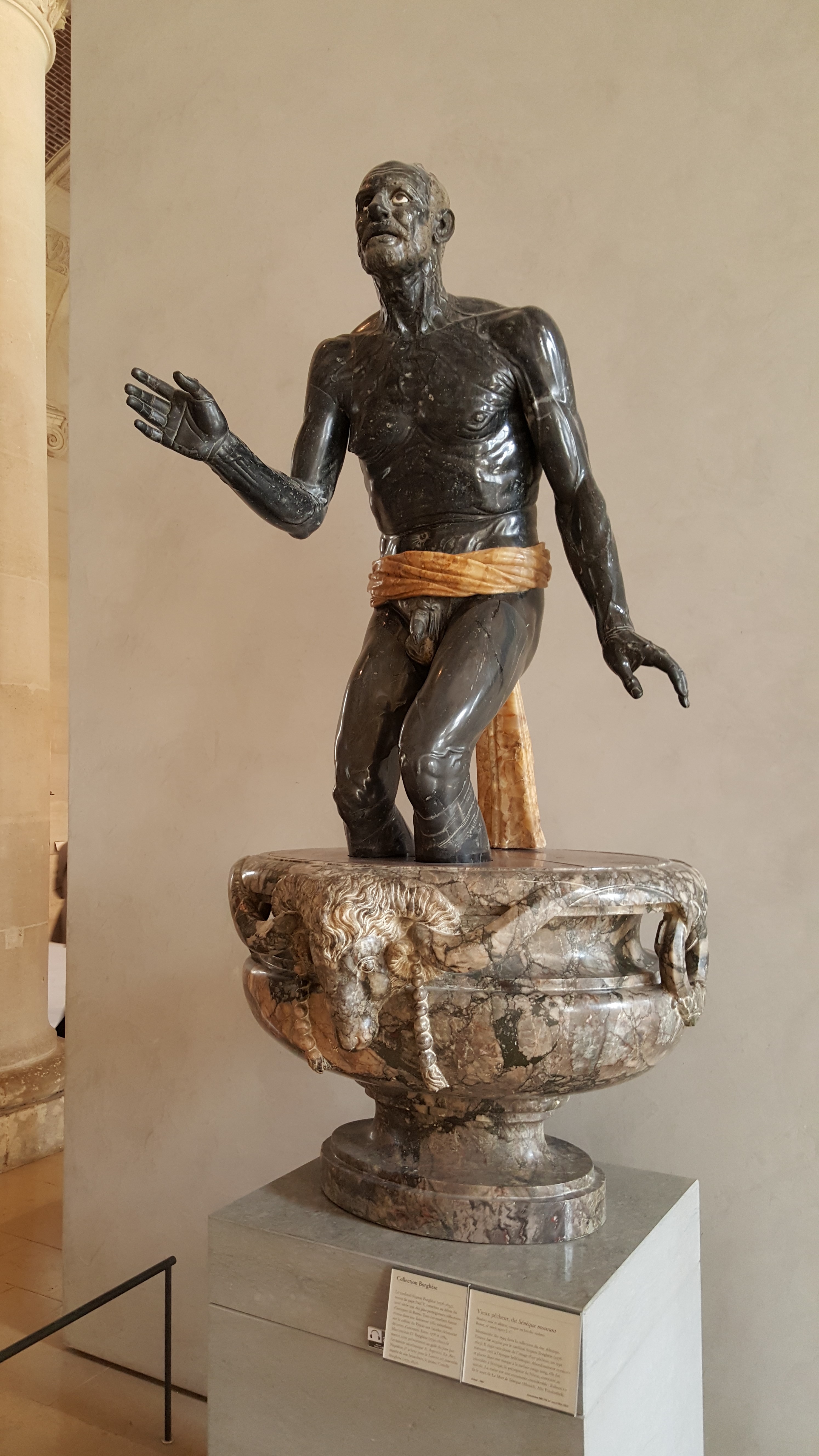
At the Louvre, I was drawn as much to sculpture and the building itself as to the paintings.
The museum is so large that a single visit only gives you a sample of its collections.
A Ballet at the Palais Garnier
One of the most memorable cultural experiences was seeing an actual ballet inside the Palais Garnier.
Our seats were extremely high—basically the nosebleed section—but they were only about €10. For a student traveling through Europe, that was hard to beat.
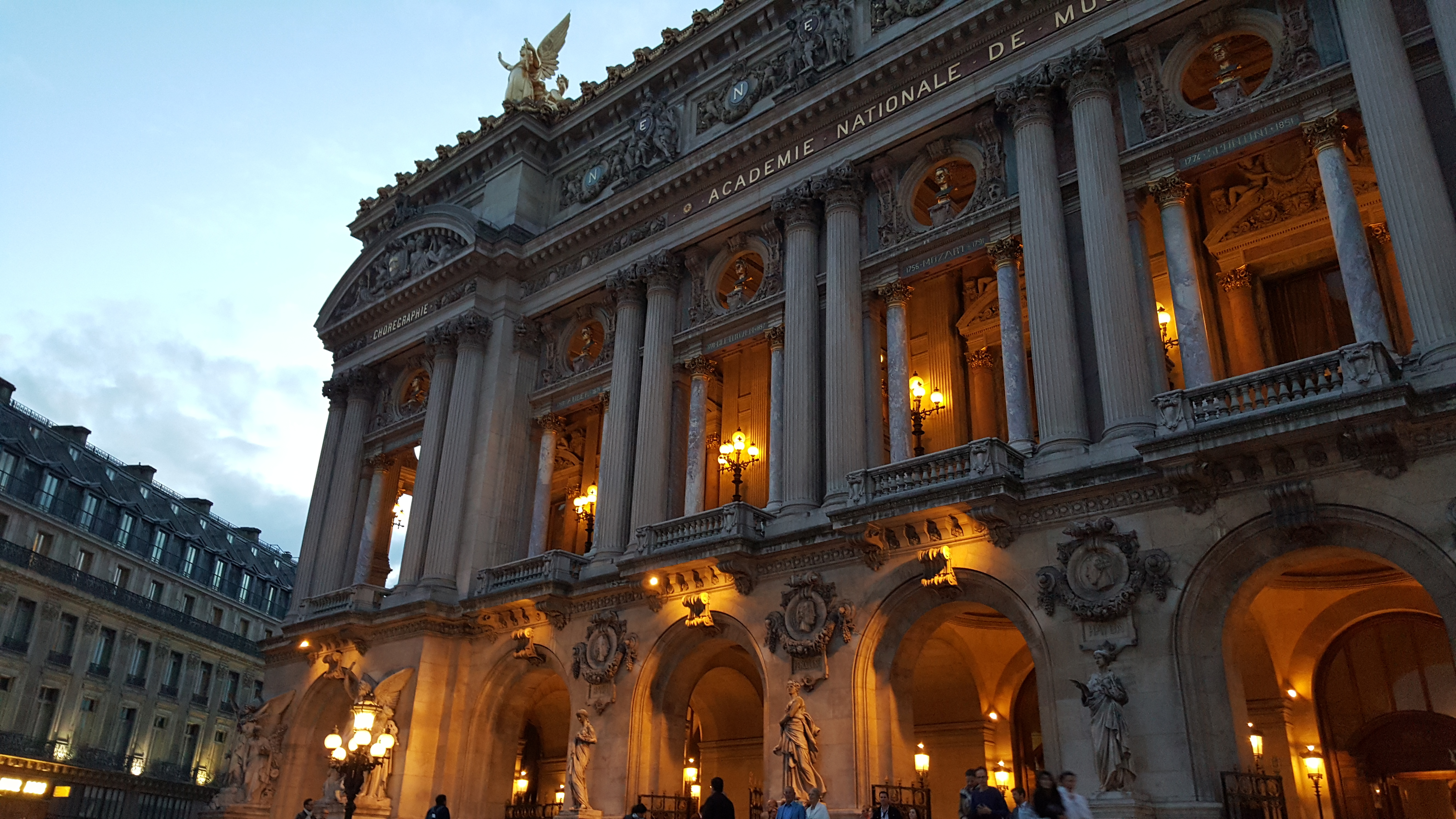
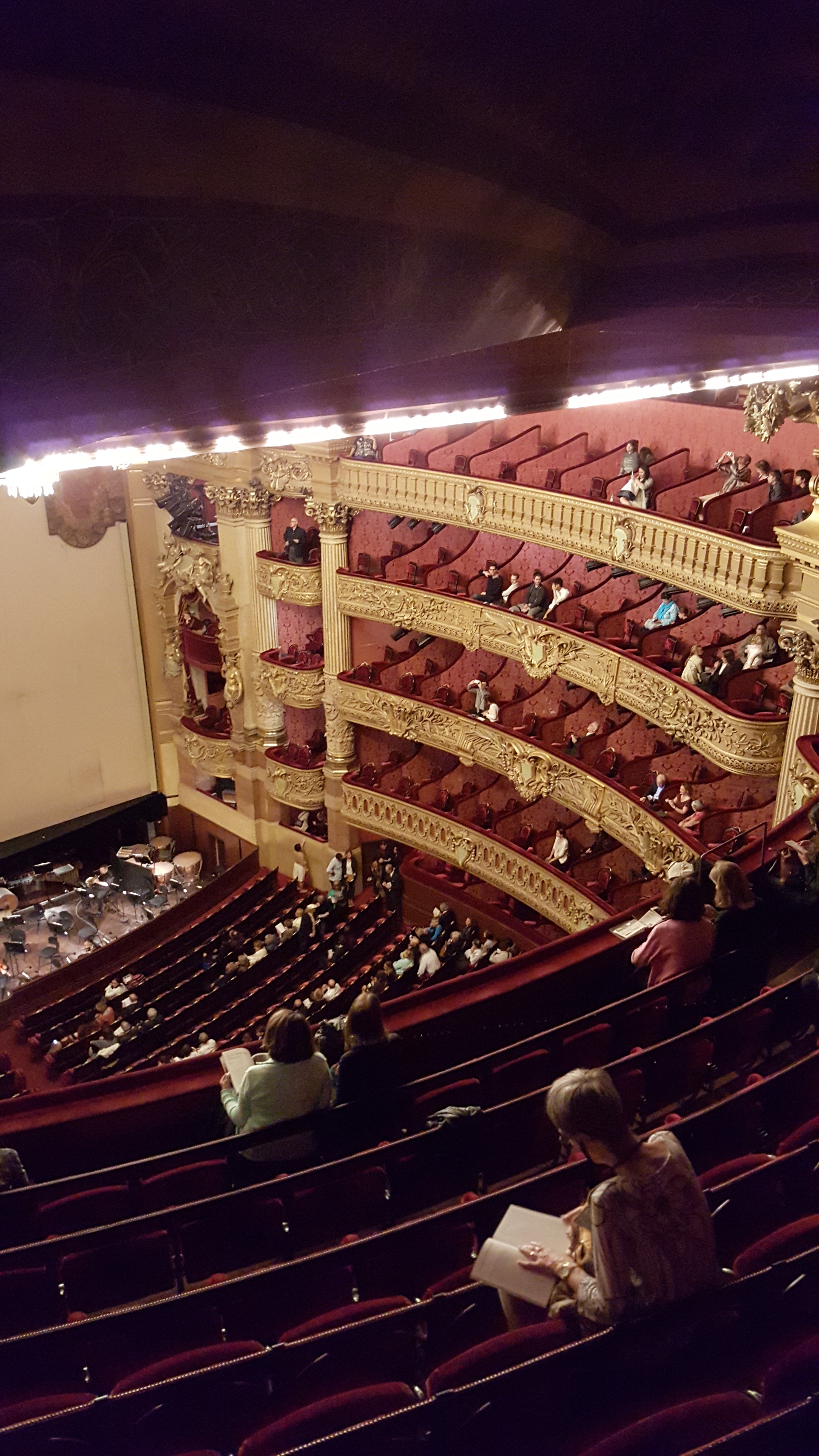
The building itself is a masterpiece of 19th-century theater architecture. The Paris Opera still stages performances there and offers public visits.
French Food
Food was obviously part of studying France too—or at least that was an easy justification.
We ate crêpes, including both sweet and savory versions.
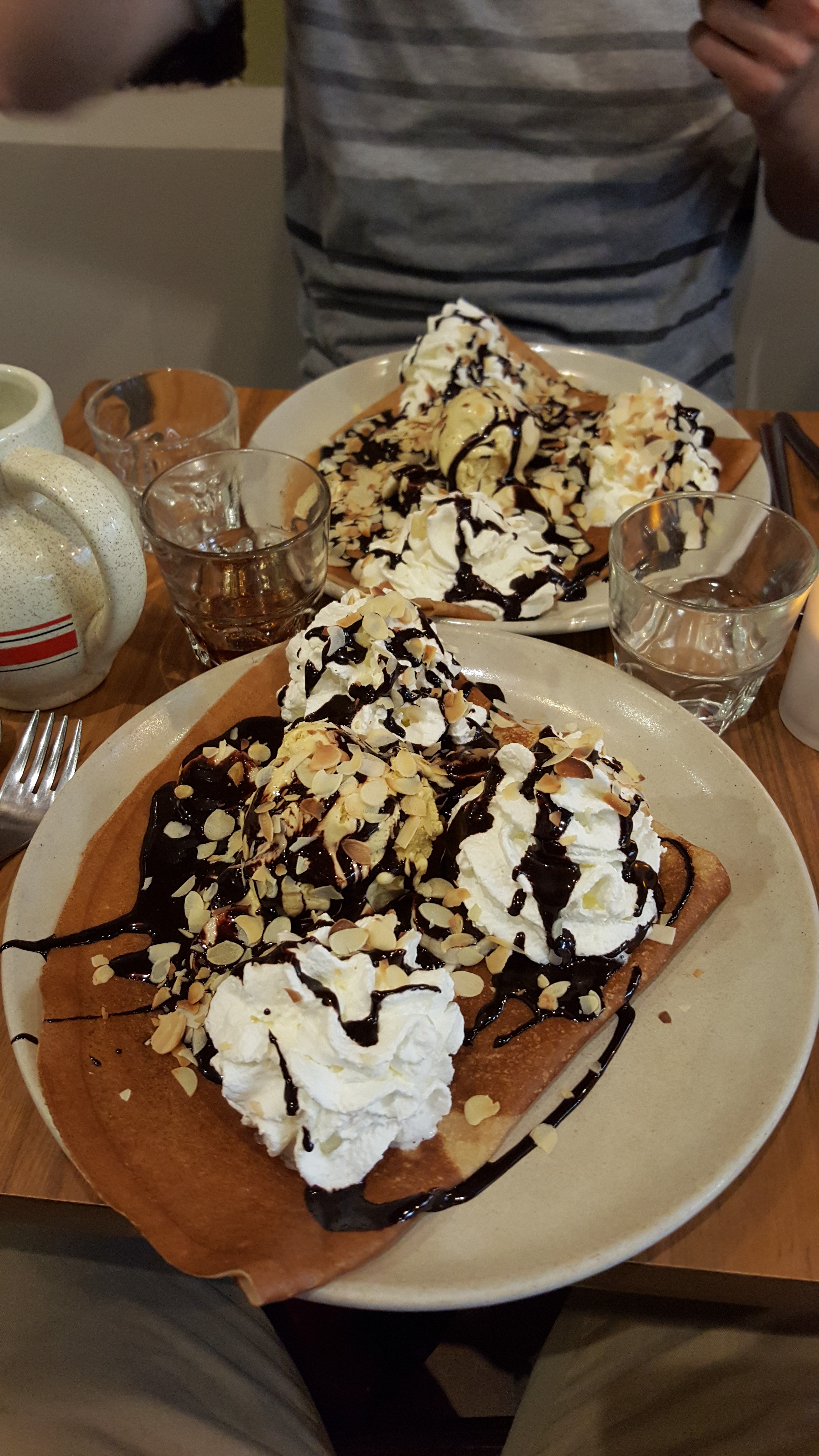
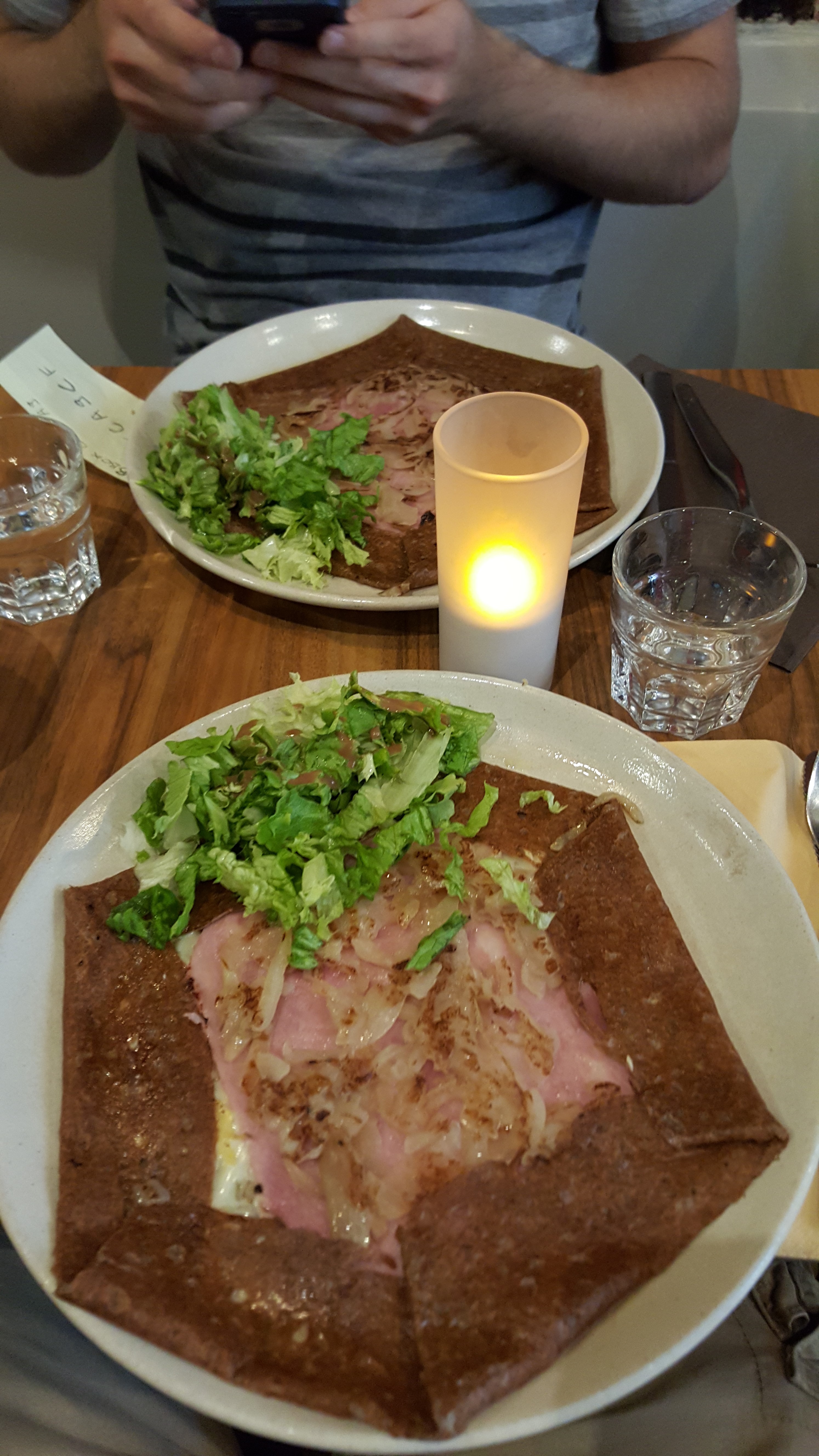
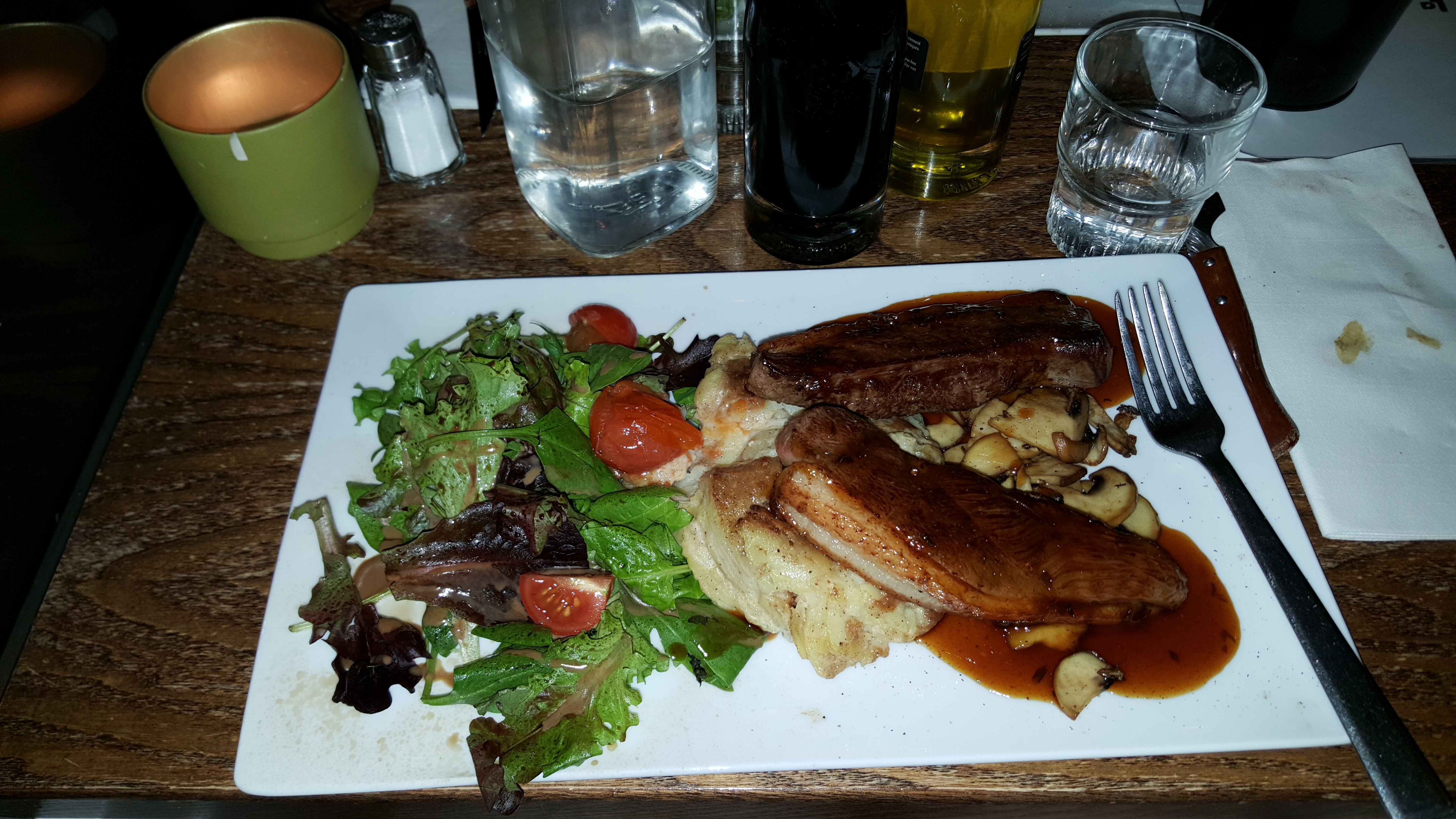
We also tried duck and other classic French dishes.
Château de Chenonceau and the Loire Valley
The French countryside was a completely different experience from Paris.
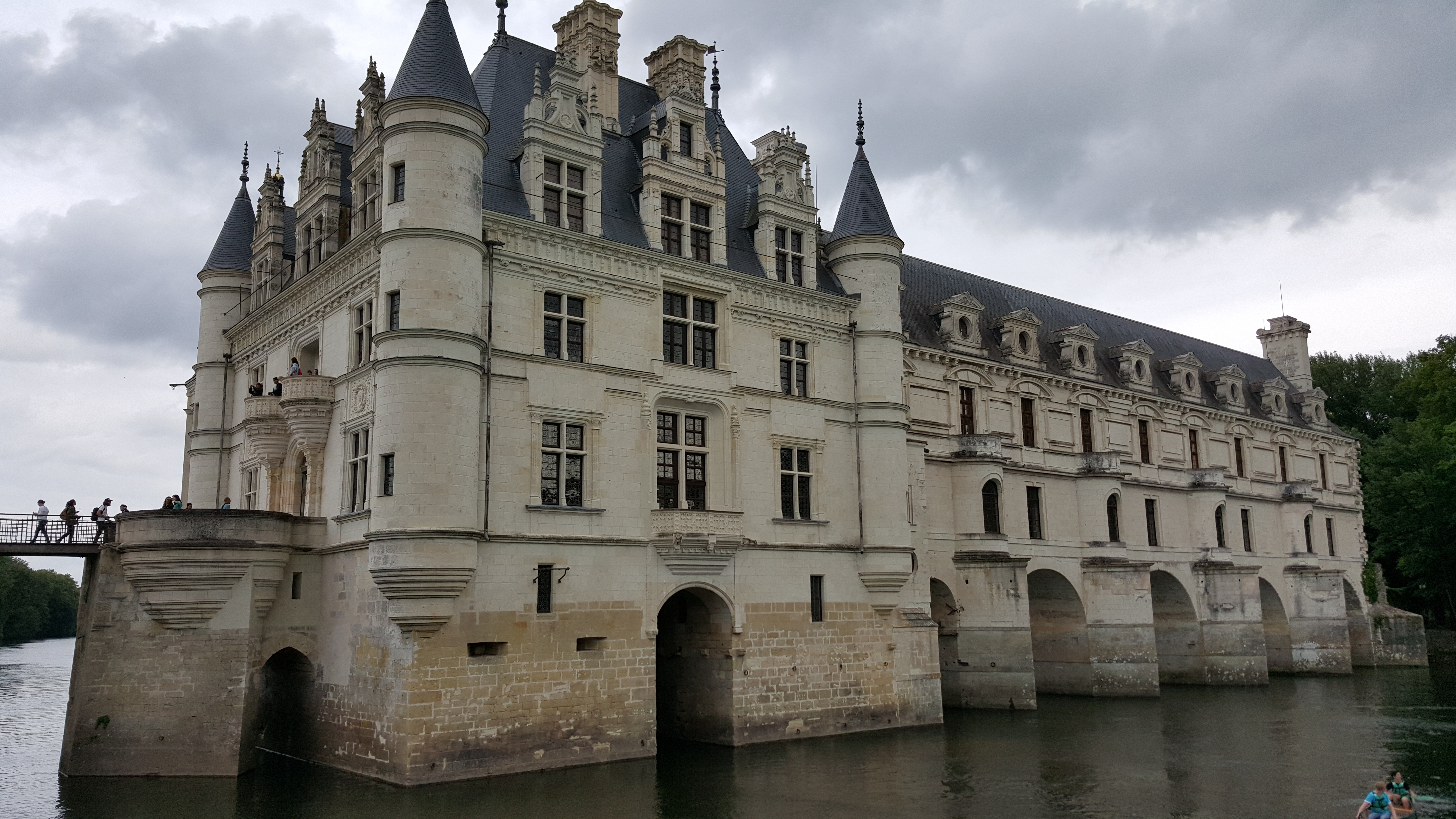
One of the most beautiful places we visited was the Château de Chenonceau in the Loire Valley.
The château is especially recognizable because part of the building spans the River Cher. Its history is also closely associated with influential women including Diane de Poitiers and Catherine de’ Medici.
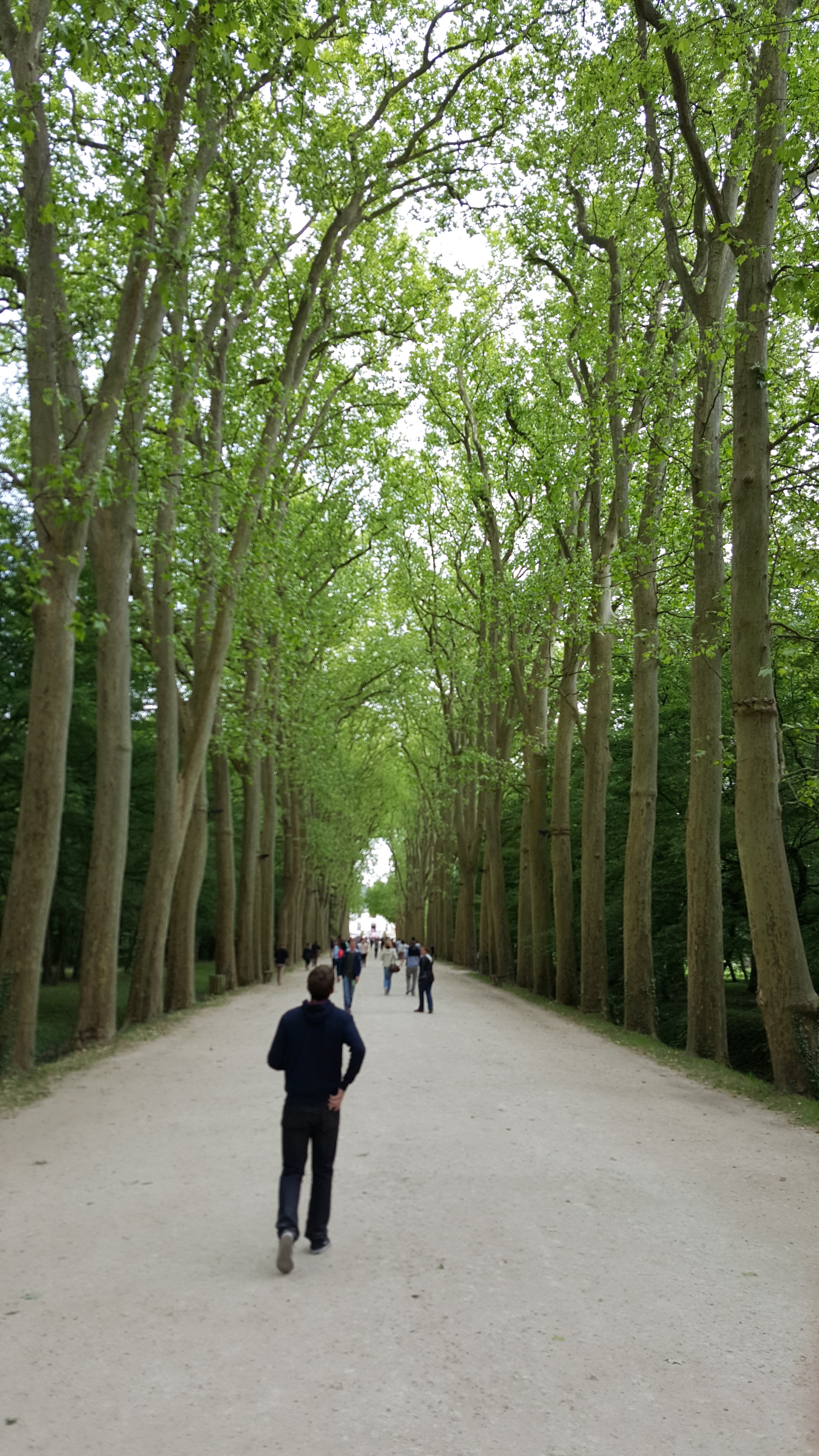
The long tree-lined approach made arriving there feel almost theatrical.
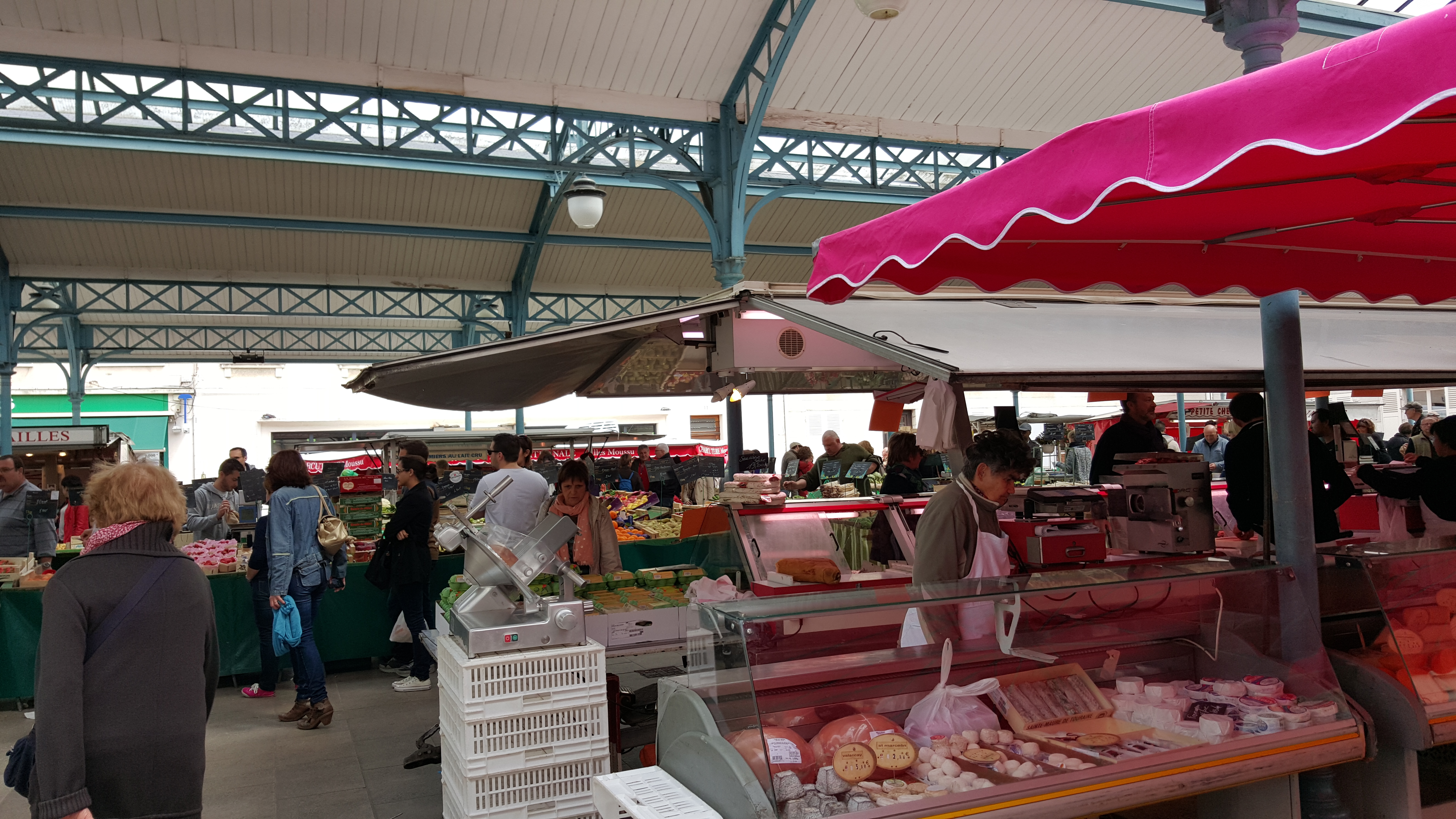
We also stopped at local markets while traveling through rural France.
Carcassonne
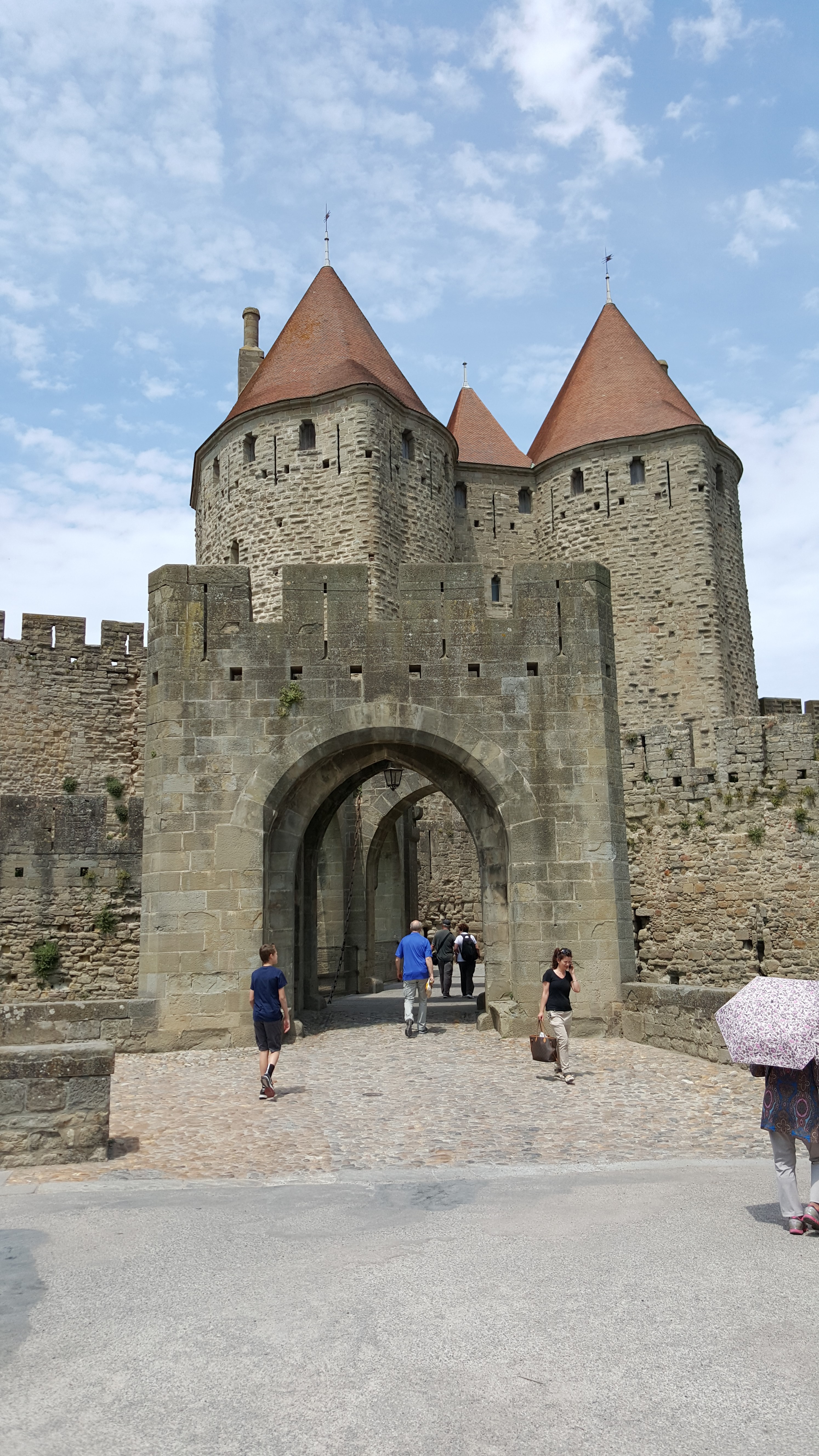
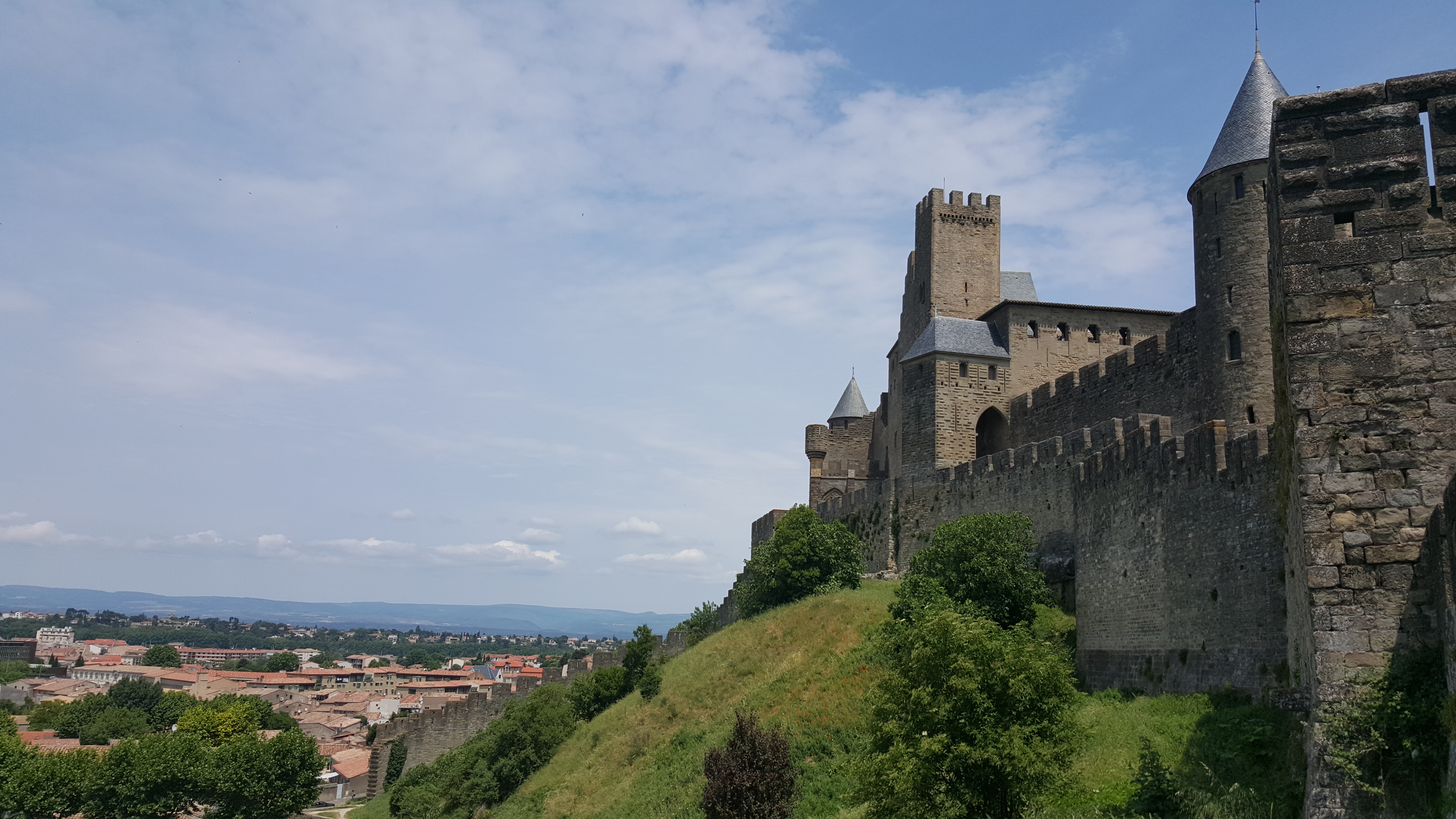
The fortified city of Carcassonne looked almost fictional.
Its medieval city contains two concentric defensive walls and dozens of towers. Walking through the gates made it much easier to understand how fortification design shaped medieval cities.
The Chocolate Truffle
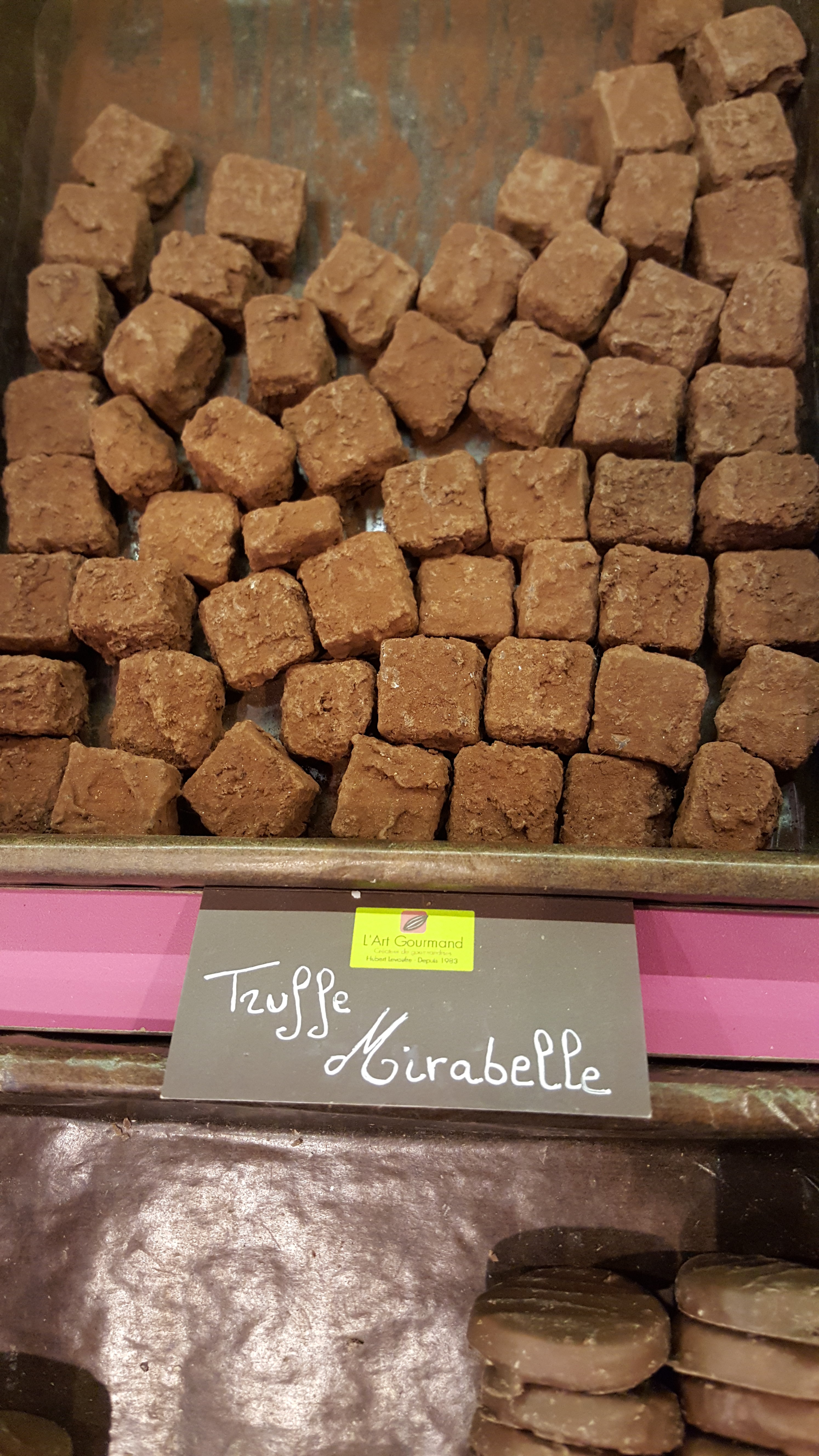
Somewhere along the French portion of the trip I learned a fact that has stayed with me: the chocolate truffle is traditionally credited to Chambéry, France.
Chambéry’s tourism office traces the confection to pastry chef Louis Dufour in December 1895. According to the local account, he ran short of ingredients near Christmas, combined cream with chocolate, shaped the mixture, and coated it in cocoa—creating something that resembled the expensive underground fungus known as a truffle.
Chambéry Montagnes has a history of the chocolate truffle.
We also had some of the best chocolate truffles I had ever eaten while traveling through southern France.
Toulouse and Airbus
Toulouse returned the trip to modern engineering.
The city is one of Europe’s major aerospace centers and the home of Airbus commercial-aircraft operations.
Seeing the A380 production system connected our class on innovation to a working industrial environment. The scale was hard to communicate through photographs, which is probably appropriate—factory photography is heavily restricted anyway.
Today, travelers can still visit Airbus through official Toulouse factory tours, although the production lines have changed since 2015.
Pont du Gard
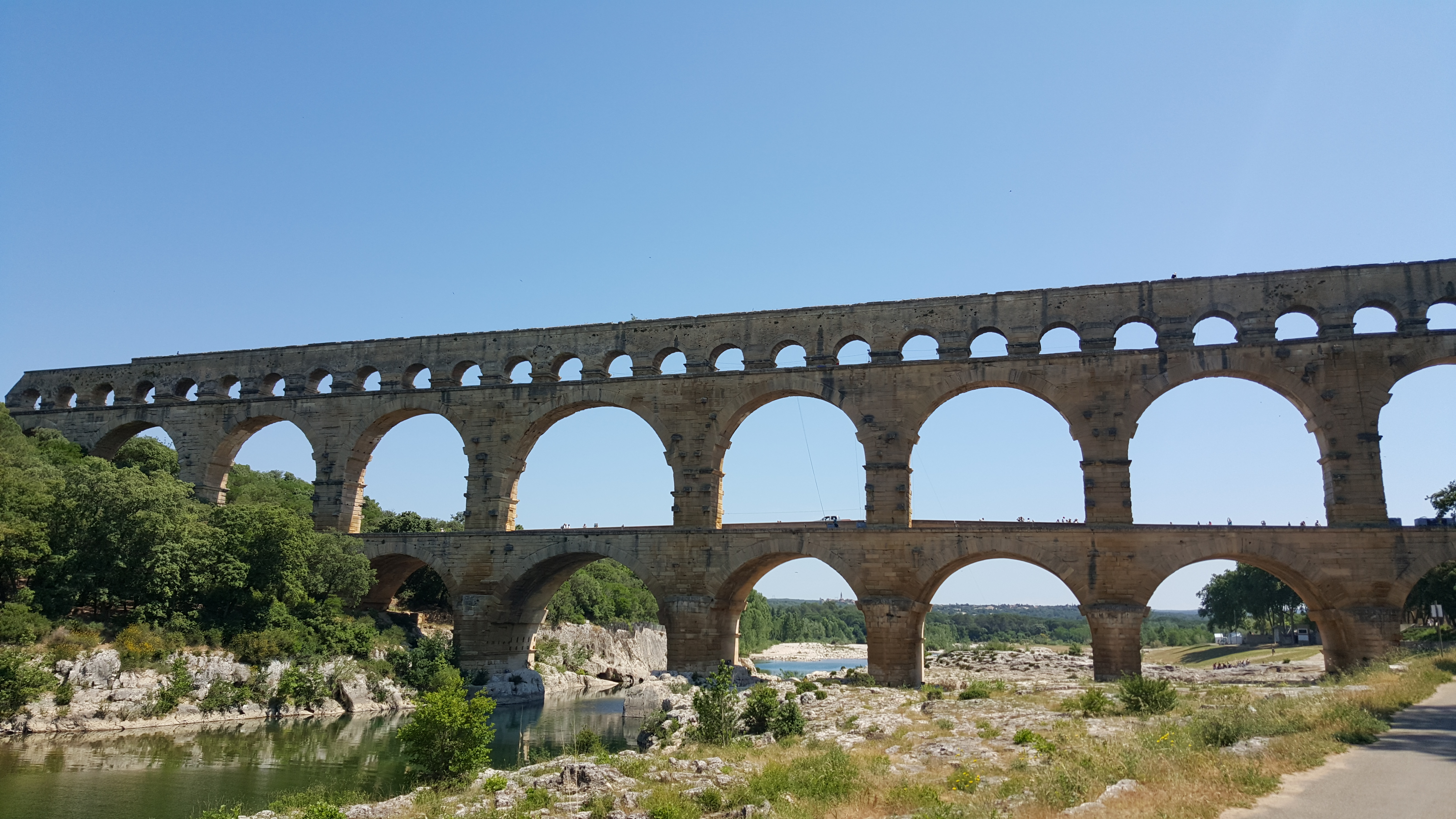
The Pont du Gard brought us back to ancient engineering.
The Roman aqueduct bridge is one of the best surviving examples of Roman hydraulic and structural engineering. It carried an aqueduct across the Gardon River as part of a larger system supplying ancient Nîmes.
For me, structures like this were almost impossible not to analyze.
How did Roman engineers survey the gradient?
How did they control water flow over long distances?
How were stones cut, lifted, aligned, and assembled?
How did they design something that could survive for nearly two thousand years?
Nice and the French Riviera
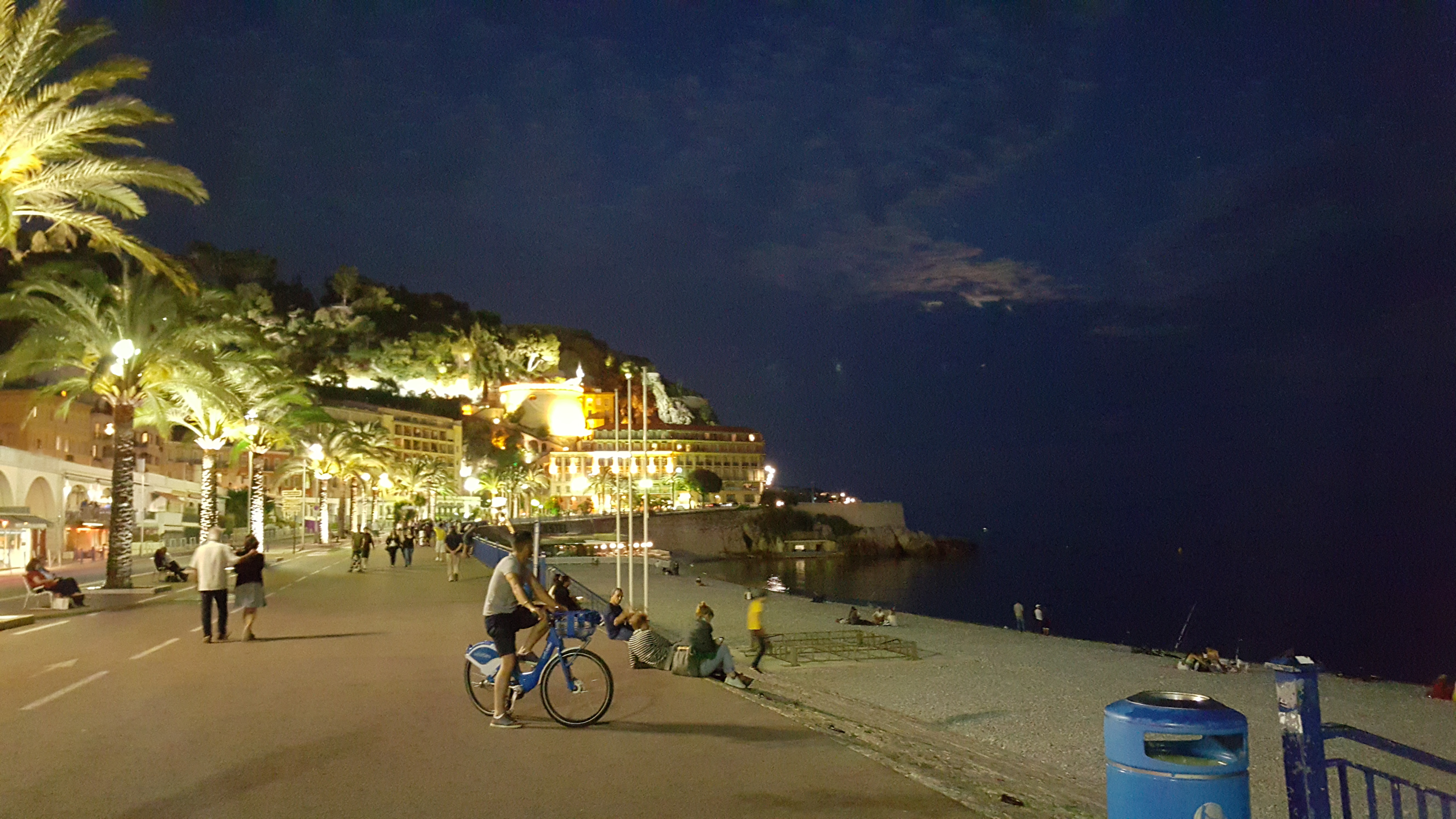
By the time we reached Nice, the trip had shifted into the Mediterranean.
The city felt very different from northern France, particularly at night along the coast.
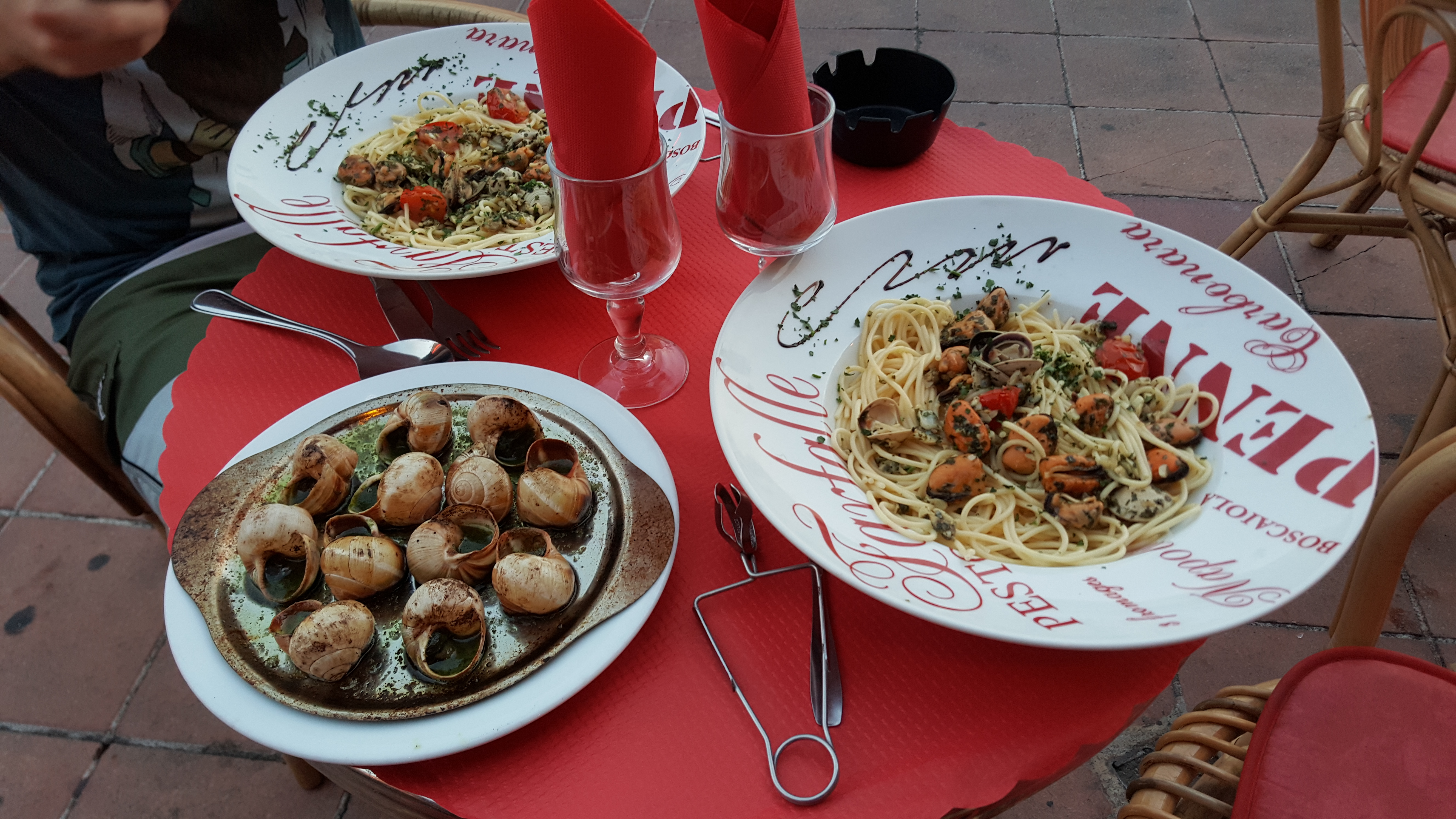
We also tried escargot.
Monaco
We made a brief stop through Monaco.
Despite being one of the smallest sovereign countries in the world, Monaco is internationally known for its dense urban development, Mediterranean coastline, Monte Carlo, the Formula 1 Monaco Grand Prix, and its long association with luxury tourism.
It was a short visit, but crossing into such a tiny independent country added another layer to how politically and culturally dense Europe can feel.
Italy
If the manufacturing plants changed the way I thought about technology, Italy changed the way I thought about architecture.
Florence and Rome were filled with structures that made me constantly ask the same civil-engineering question:
How did they build this?
Florence
Florence was probably the city that enchanted me the most.
There was something about the combination of art, architecture, narrow streets, hills, history, and the Tuscan countryside that felt completely different from London, Paris, or Rome.
Those cities were exciting.
Florence felt peaceful.
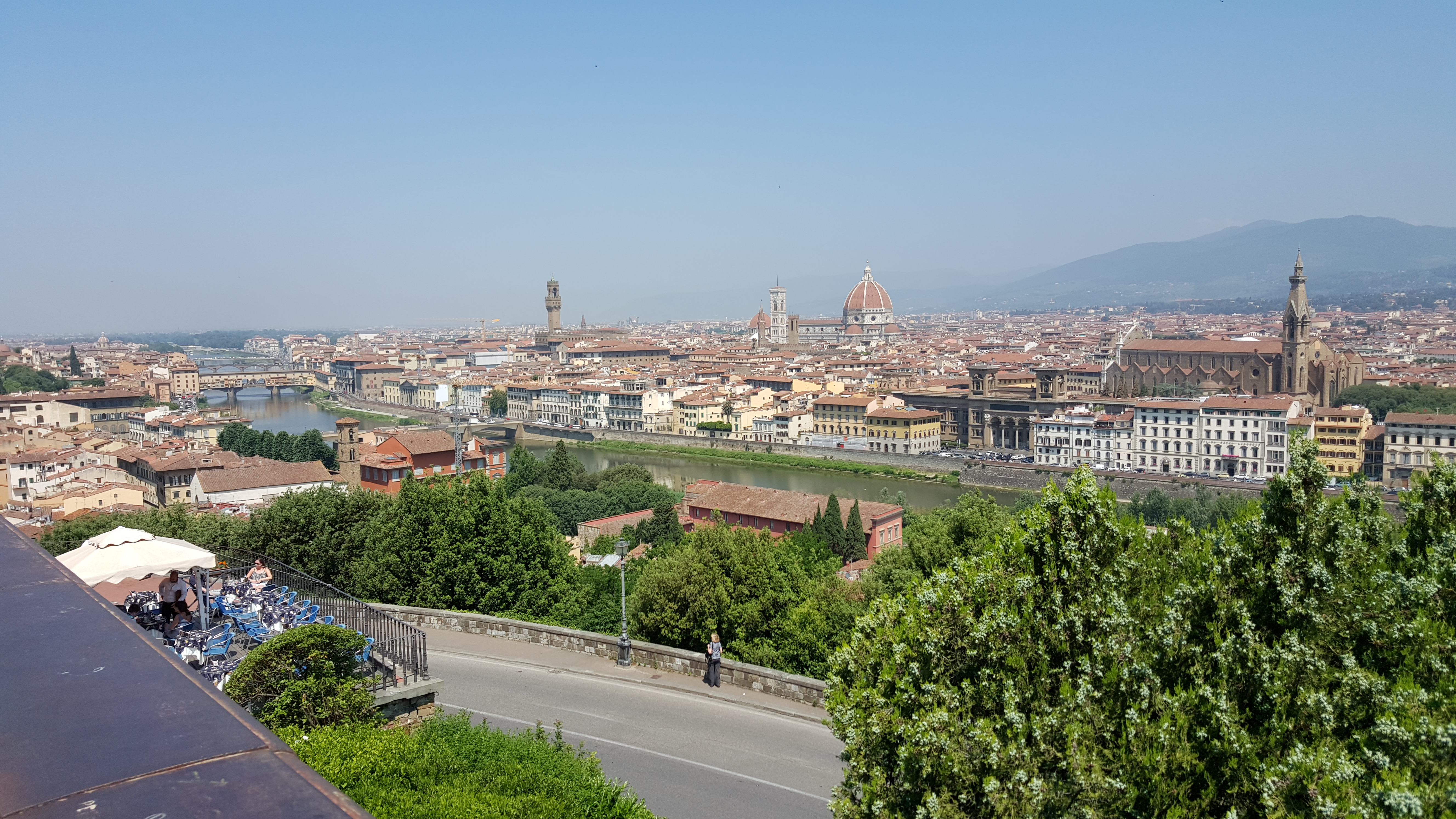
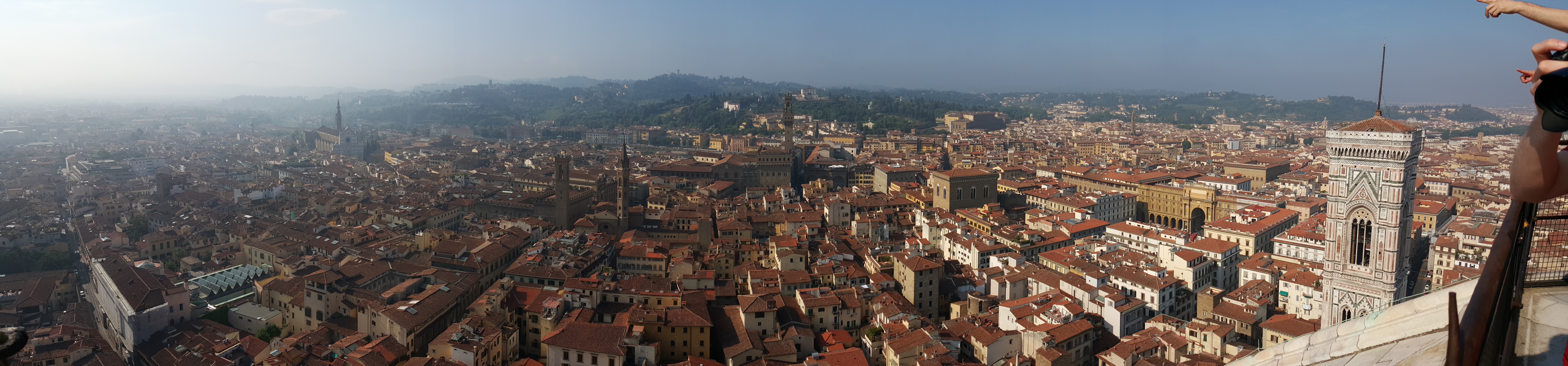
Even looking out the hotel window felt atmospheric.
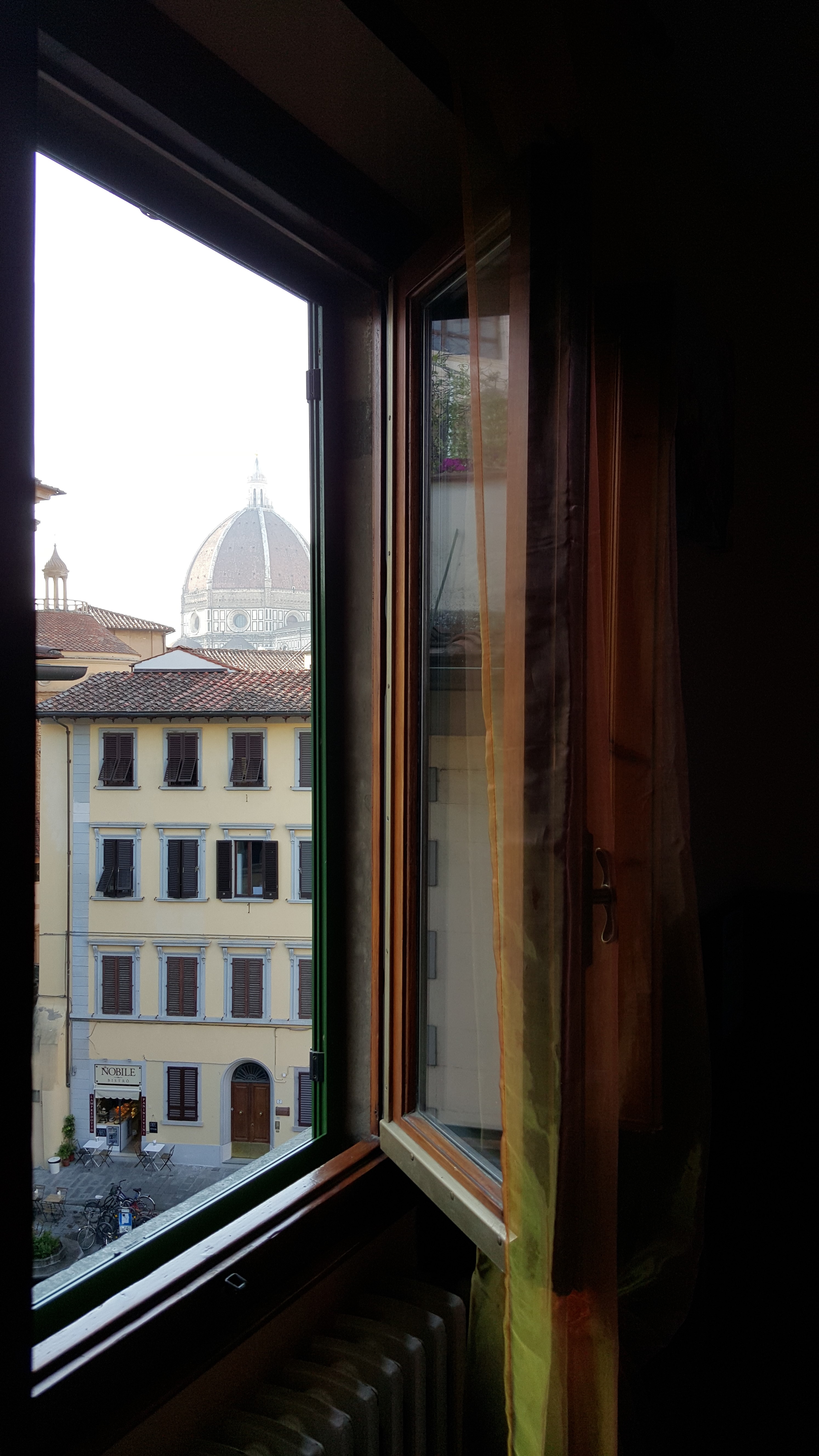
I fell in love with Florence—and with the Tuscan countryside surrounding it.
Architecture Everywhere
Florence intensified something I had already been doing throughout the trip: staring at buildings and trying to understand how they worked.
I kept looking at arches, vaults, columns, roofs, masonry walls, foundations, domes, and towers and thinking about how the loads traveled through them.
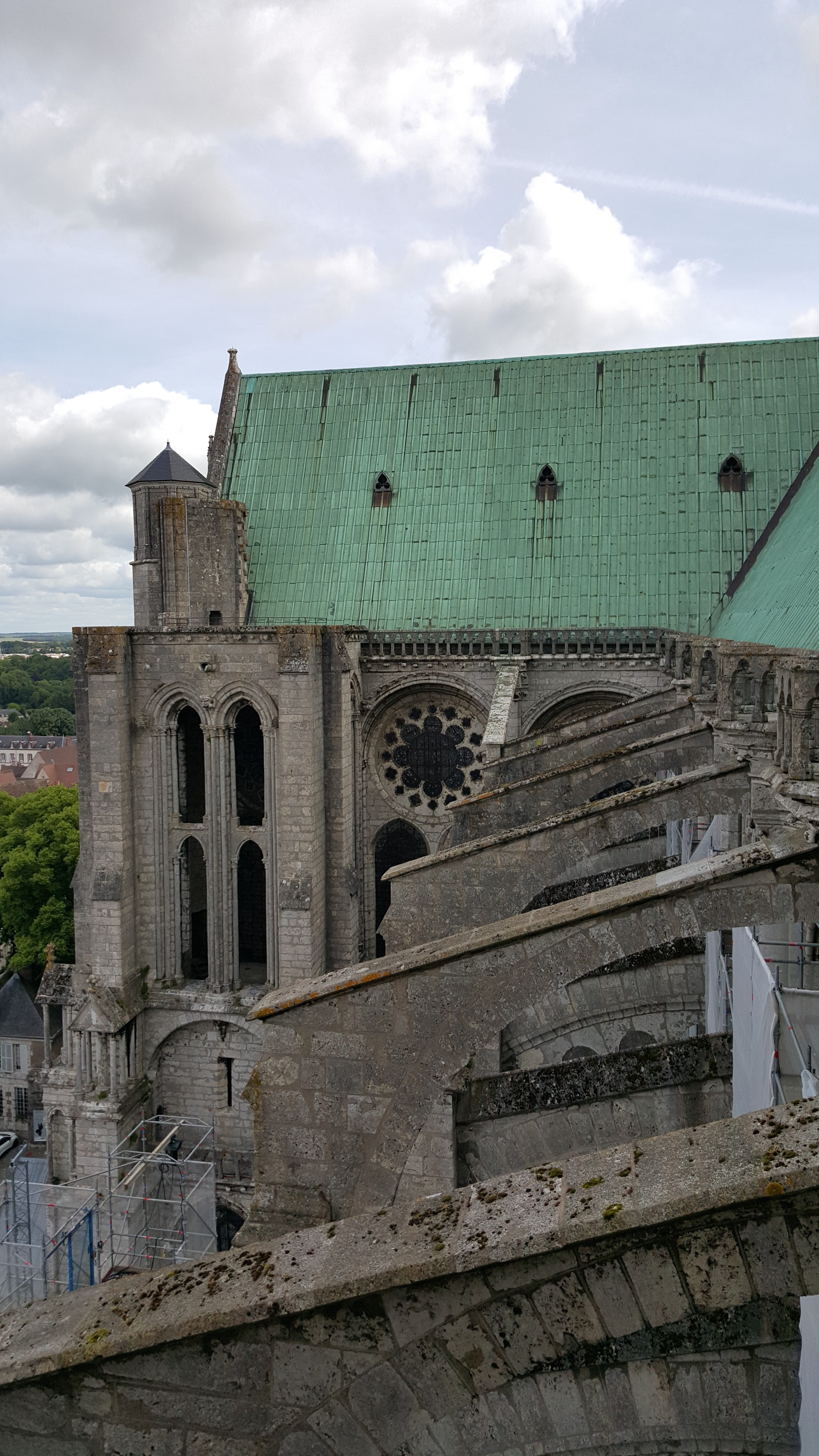
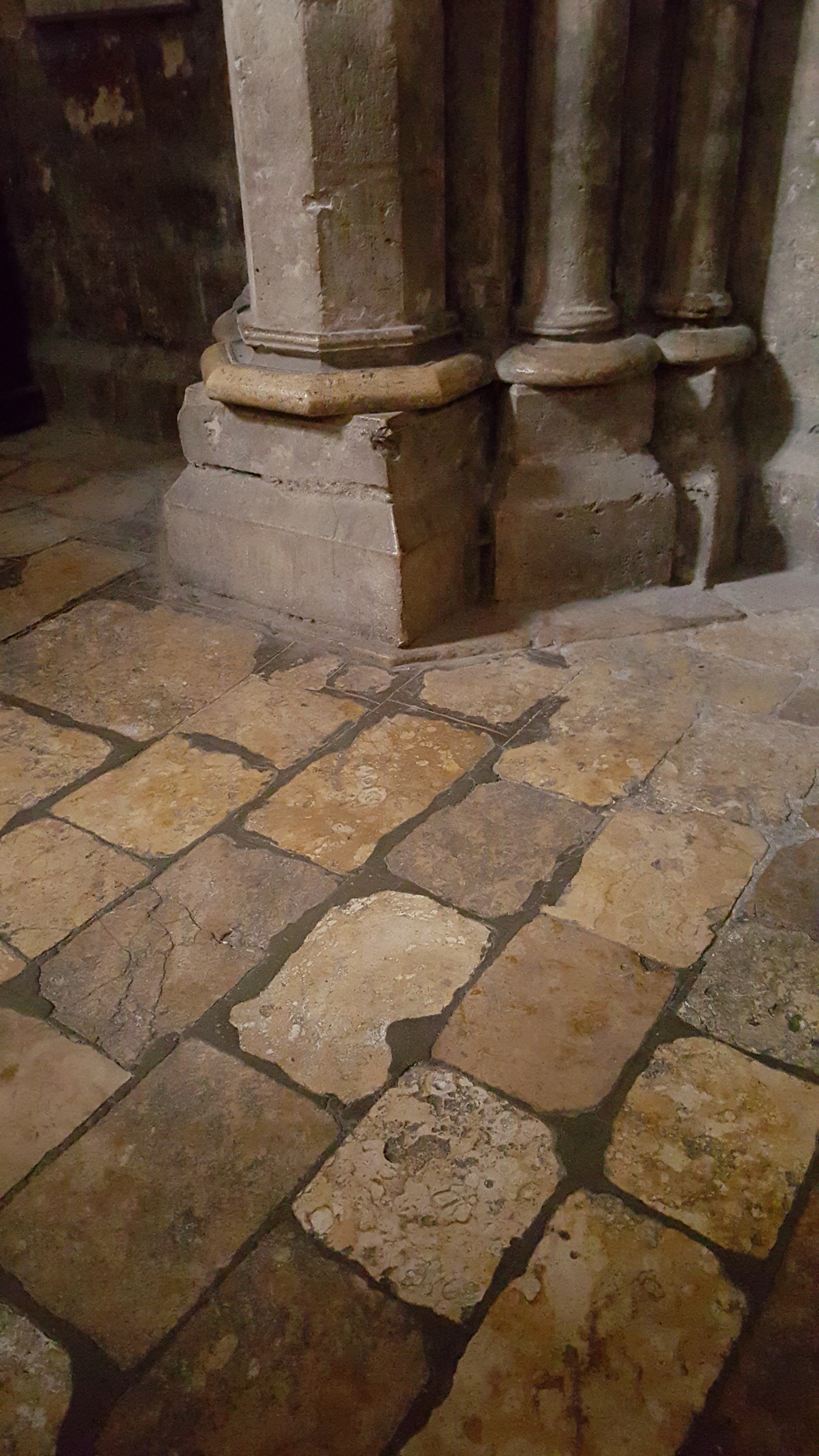
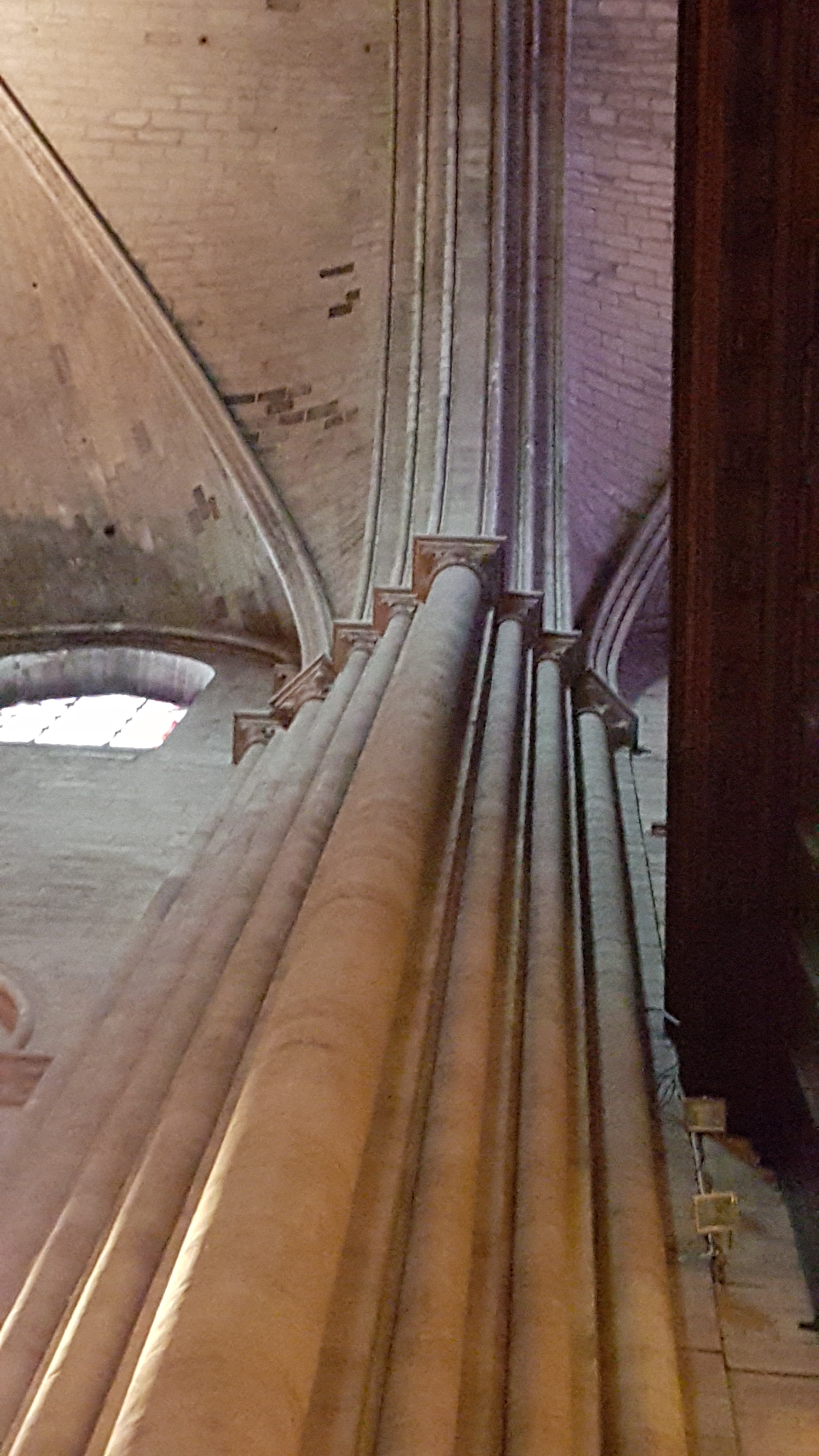
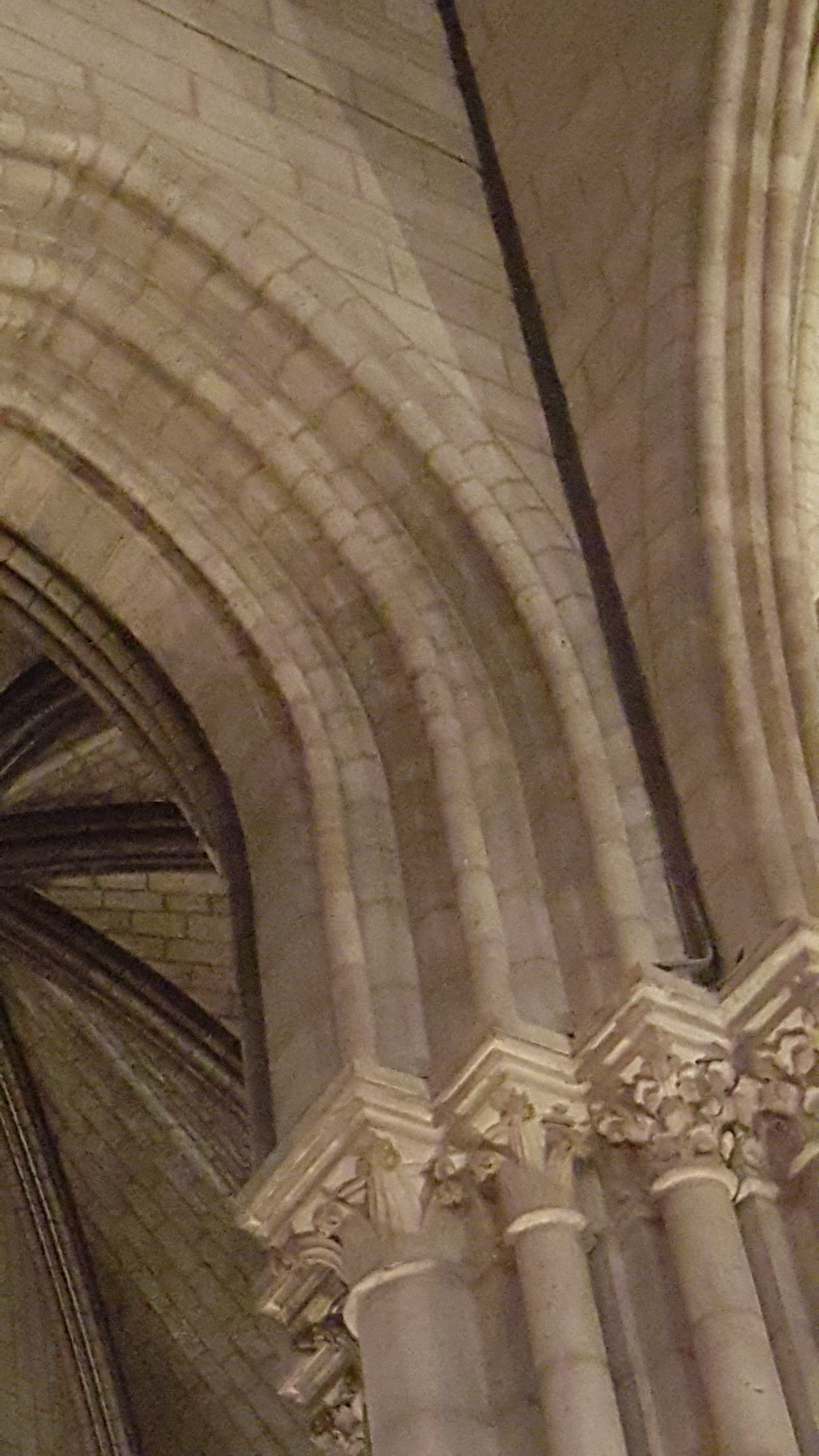
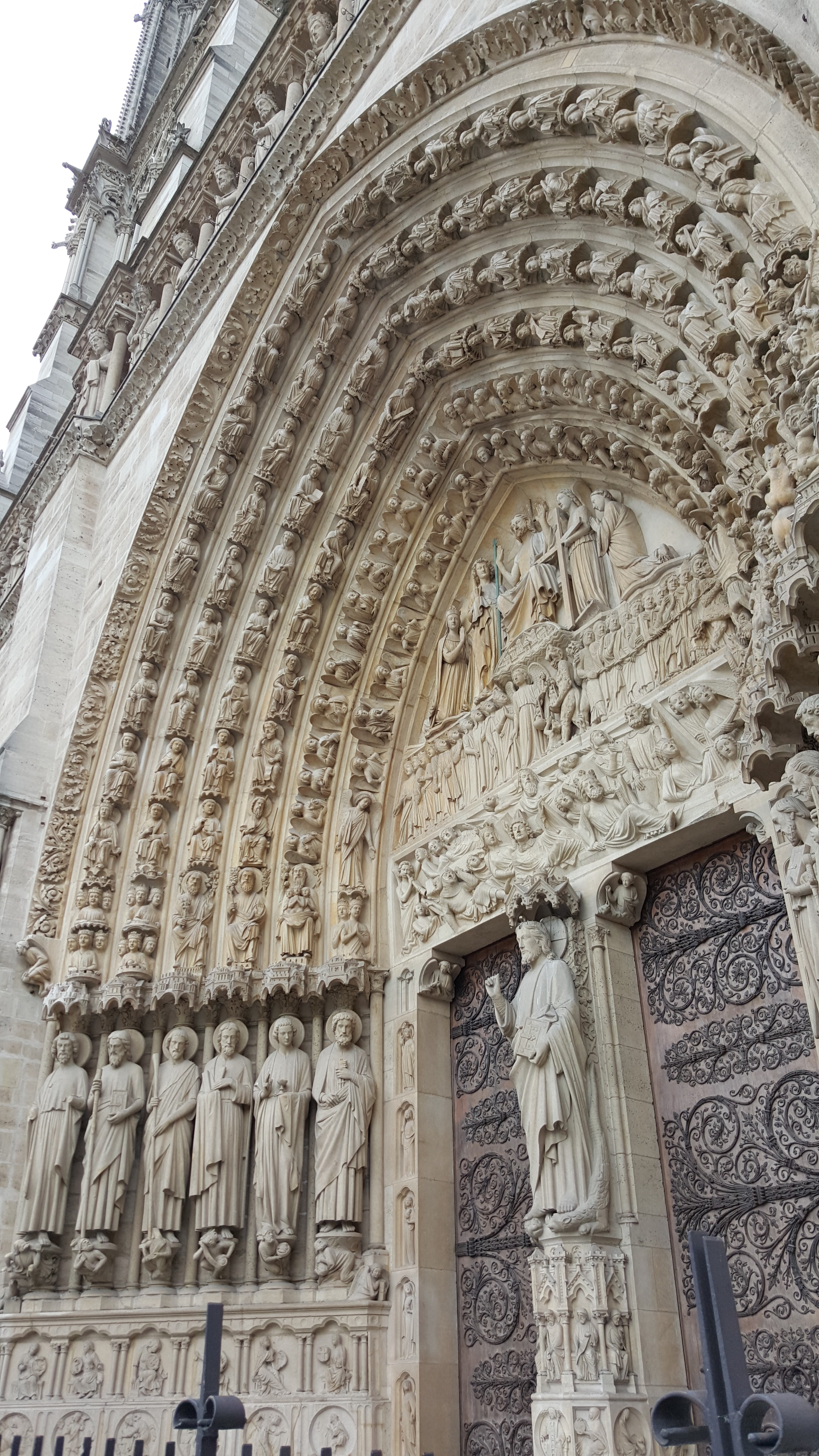
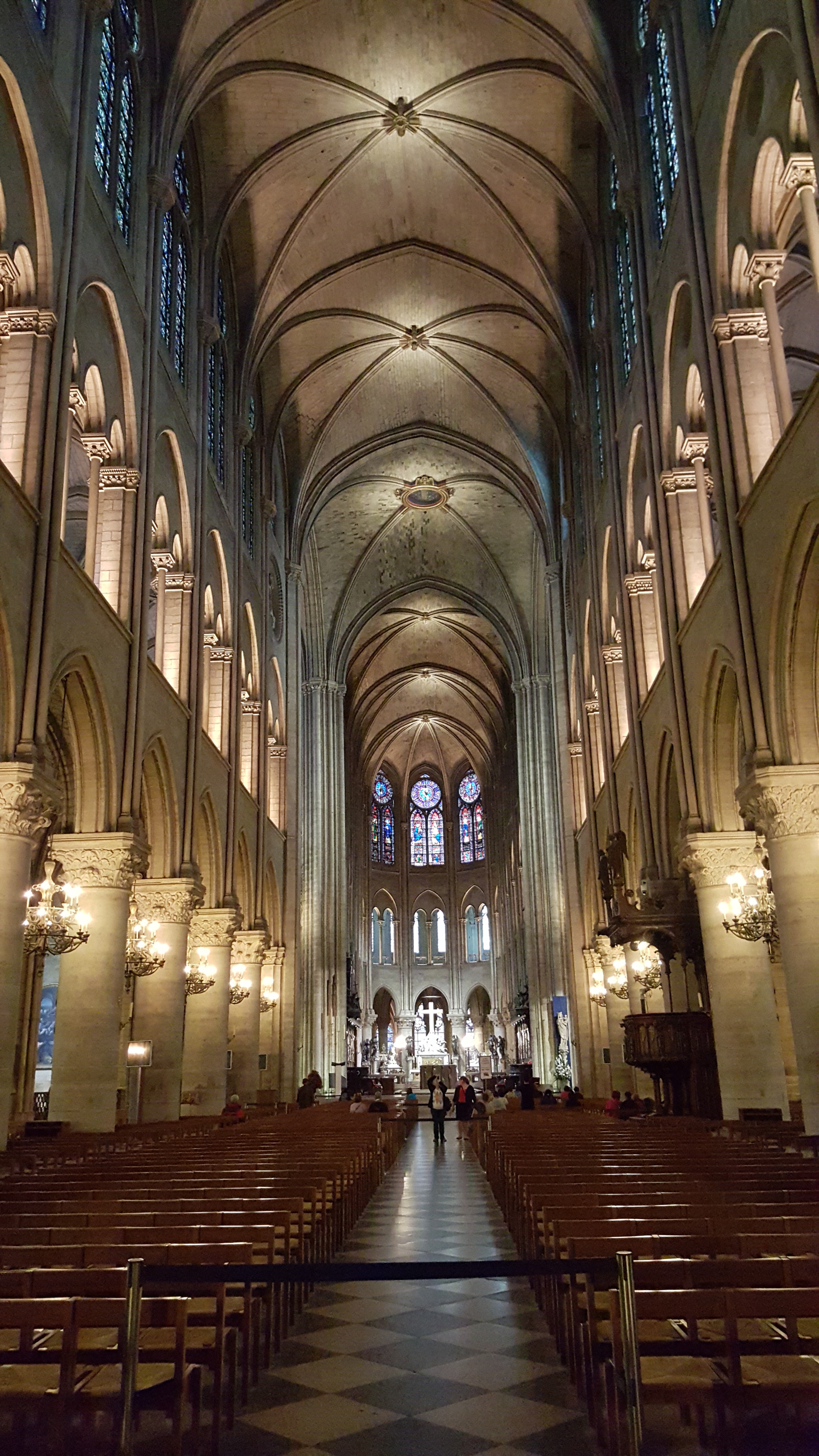
Before modern finite-element models, cranes, power tools, reinforced concrete, and computer-aided design, people were constructing enormous spaces with stone, timber, geometry, empirical knowledge, and generations of accumulated craft.
That fascinated me.
Cathedral of Santa Maria del Fiore
The structure that captured this better than almost anything else was Florence’s Cathedral of Santa Maria del Fiore and Brunelleschi’s Dome.
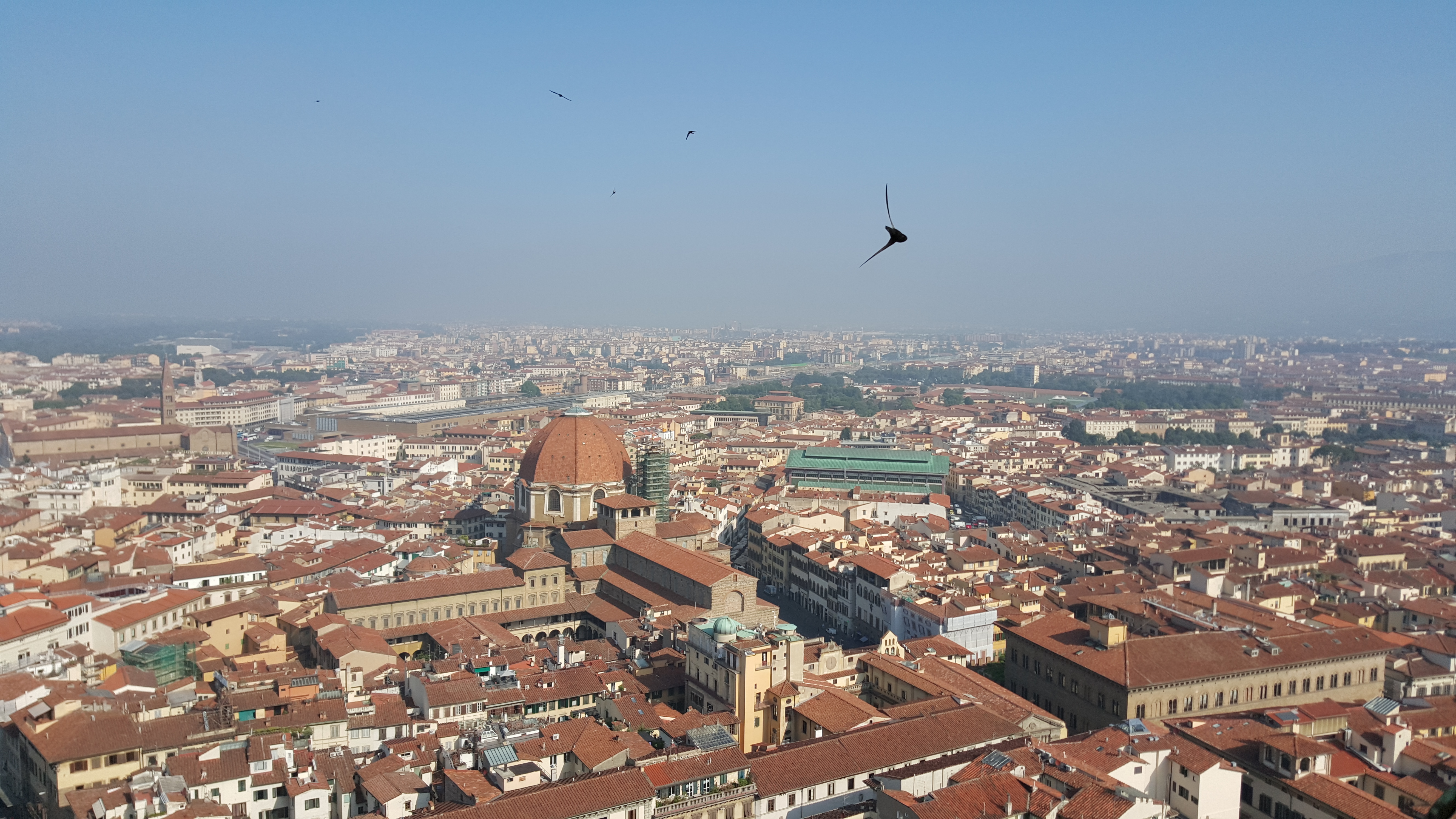
The dome, begun under Filippo Brunelleschi in 1420 and completed in 1436, is famous partly because it was constructed without the massive traditional timber centering that builders normally used to support a masonry dome while it was under construction.
The official Florence tourism site describes Brunelleschi’s solution as an innovative self-supporting double shell.
For a civil engineering student, that is hard not to obsess over.
You can learn more through the Opera di Santa Maria del Fiore or FeelFlorence’s guide to Brunelleschi’s Dome.
Michelangelo’s David
At the Galleria dell’Accademia, we saw Michelangelo’s David.
The original marble sculpture stands over five meters tall and was carved between 1501 and 1504.
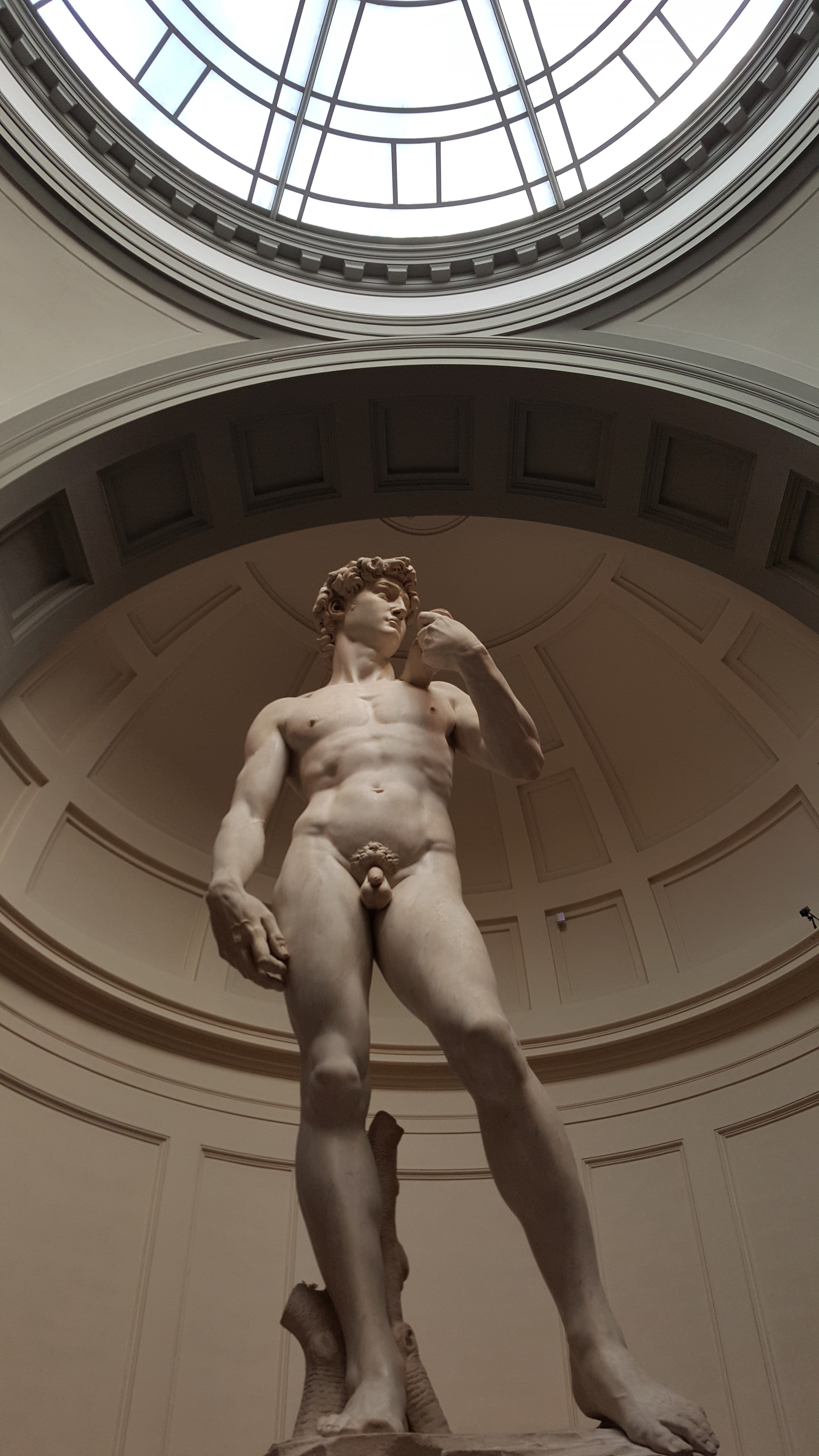
The museum maintains an excellent history of David.
Perseus with the Head of Medusa
Another sculpture that stood out was Perseus with the Head of Medusa by Benvenuto Cellini in the Loggia dei Lanzi.
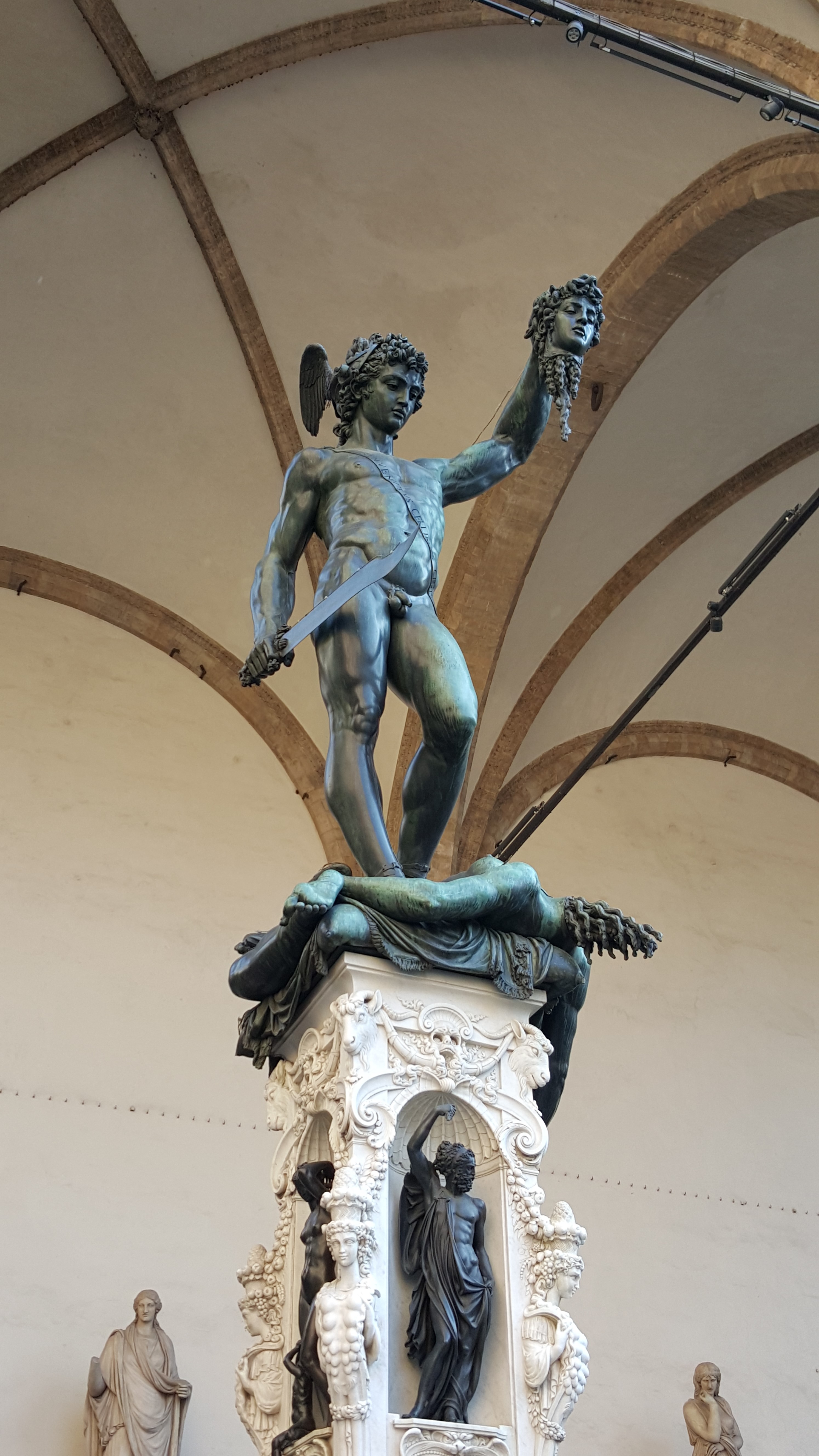
Florence made it difficult to separate art from the city itself. Sculpture was not confined to museums; it appeared in public squares and became part of the architecture around it.
Ponte Vecchio
At night, the Ponte Vecchio was especially beautiful.
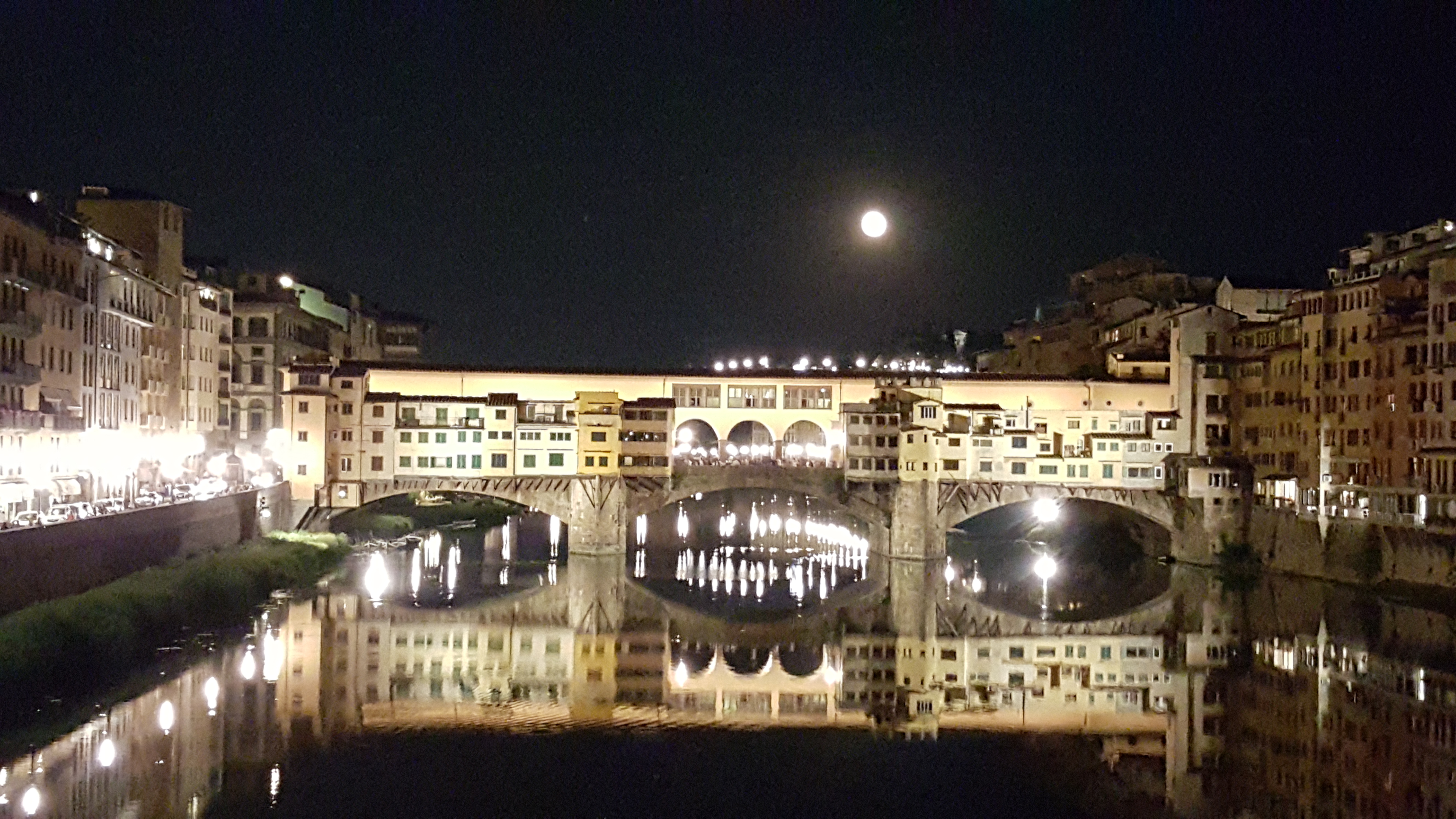
The medieval bridge is lined with shops and spans the Arno River. Like so much of Florence, it combines infrastructure with architecture and urban life rather than treating them as separate things.
Gelato
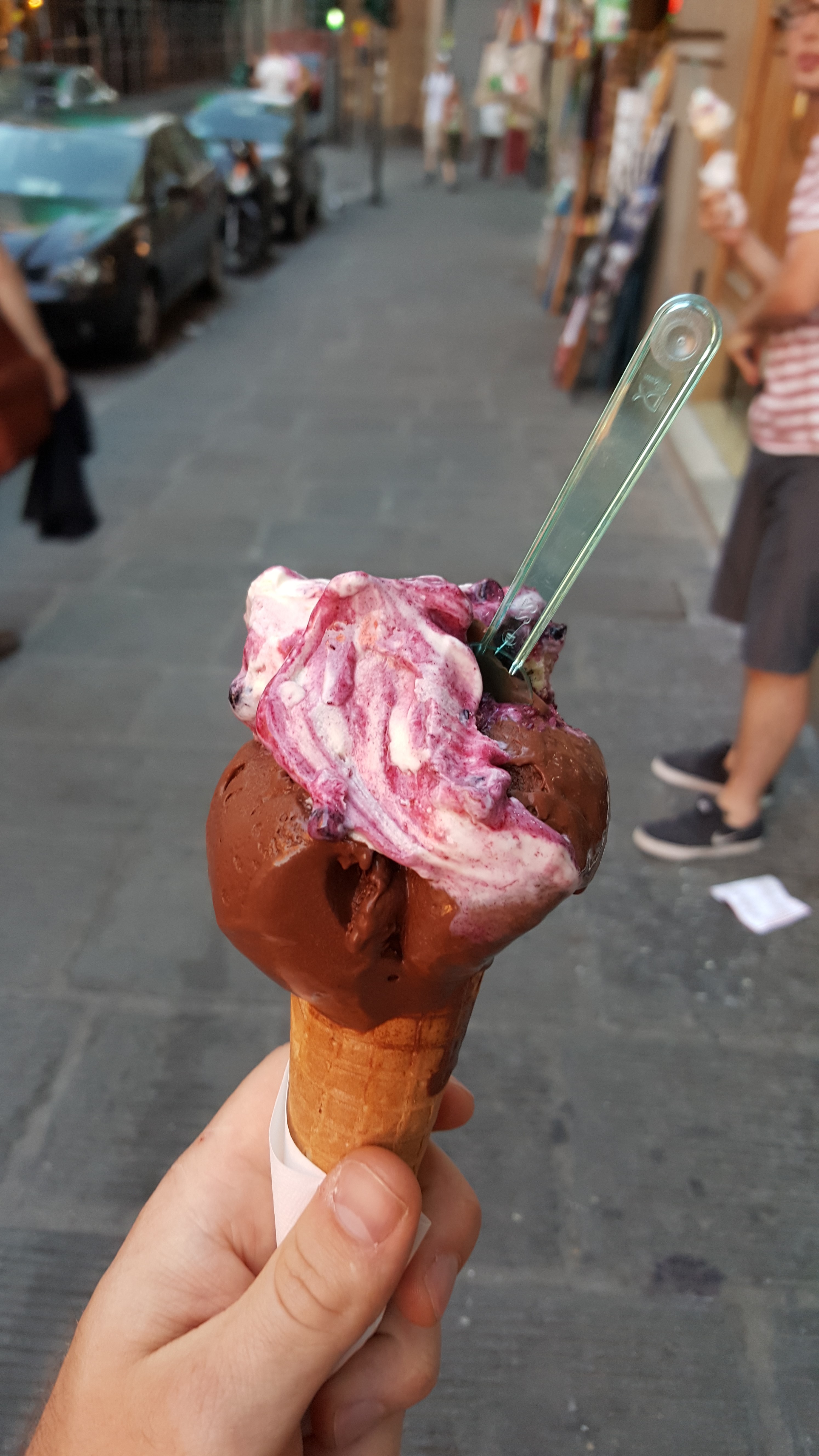
And of course, Italy also meant gelato.
Rome
Rome felt almost overwhelming because ancient history was everywhere.
A modern street could suddenly open onto a building that was nearly two thousand years old.
The Colosseum
The Colosseum was one of the major ancient structures we visited.
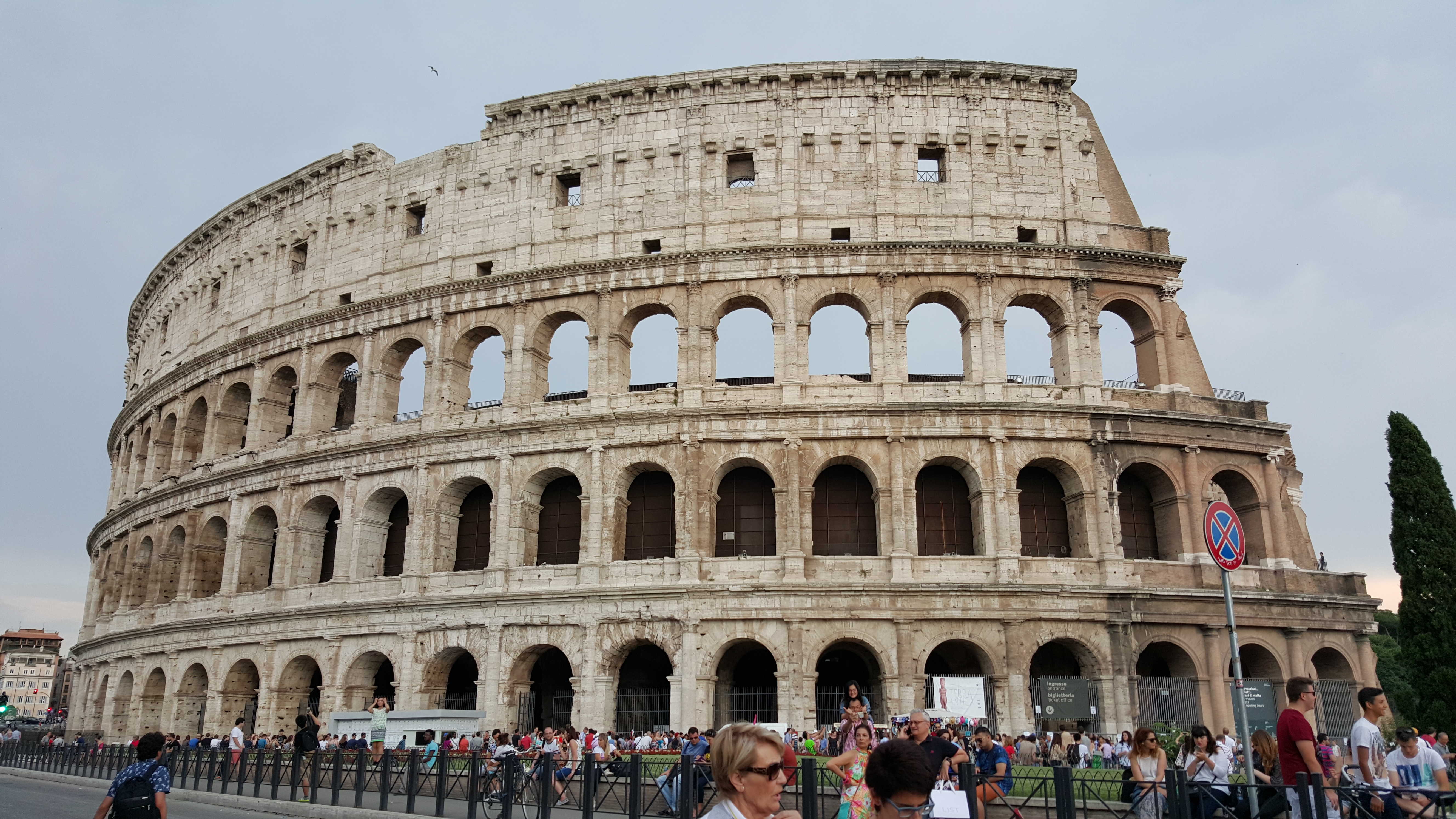
Its scale made the sophistication of Roman construction hard to ignore. The amphitheater relied on repeating arches, vaults, circulation corridors, stair systems, and carefully organized structural geometry to move and accommodate enormous crowds.
The official Parco archeologico del Colosseo manages the Colosseum, Forum, and Palatine today.
Roman Forum
Walking through the Roman Forum meant walking through what had once been the center of Roman political, commercial, and religious life.
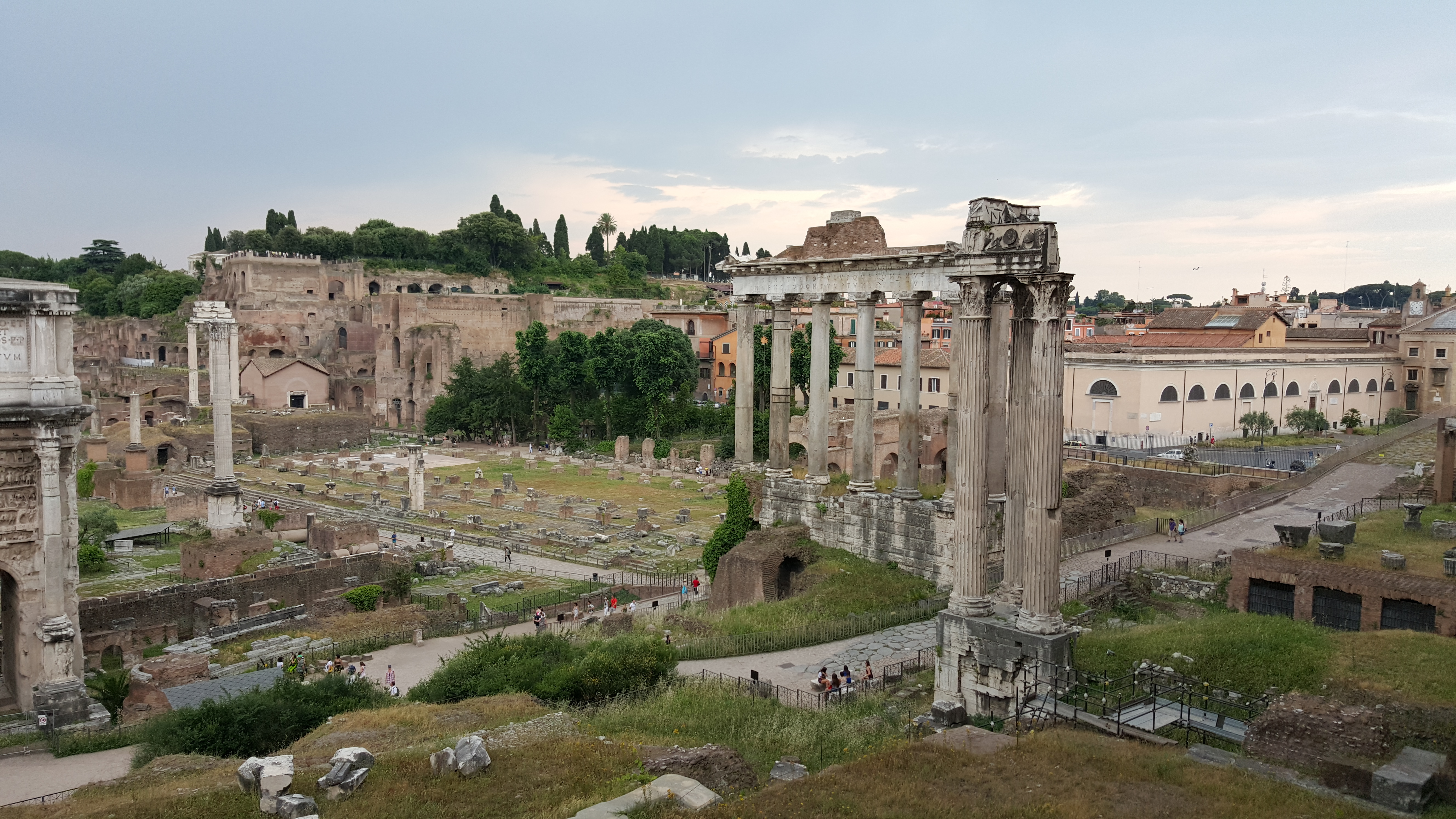
The Forum is useful because it shows history as layers. Temples, basilicas, arches, roads, and later structures sit among one another rather than forming a perfectly preserved ancient city.
Pantheon
The Pantheon may have been the Roman structure I found most impressive from an engineering standpoint.
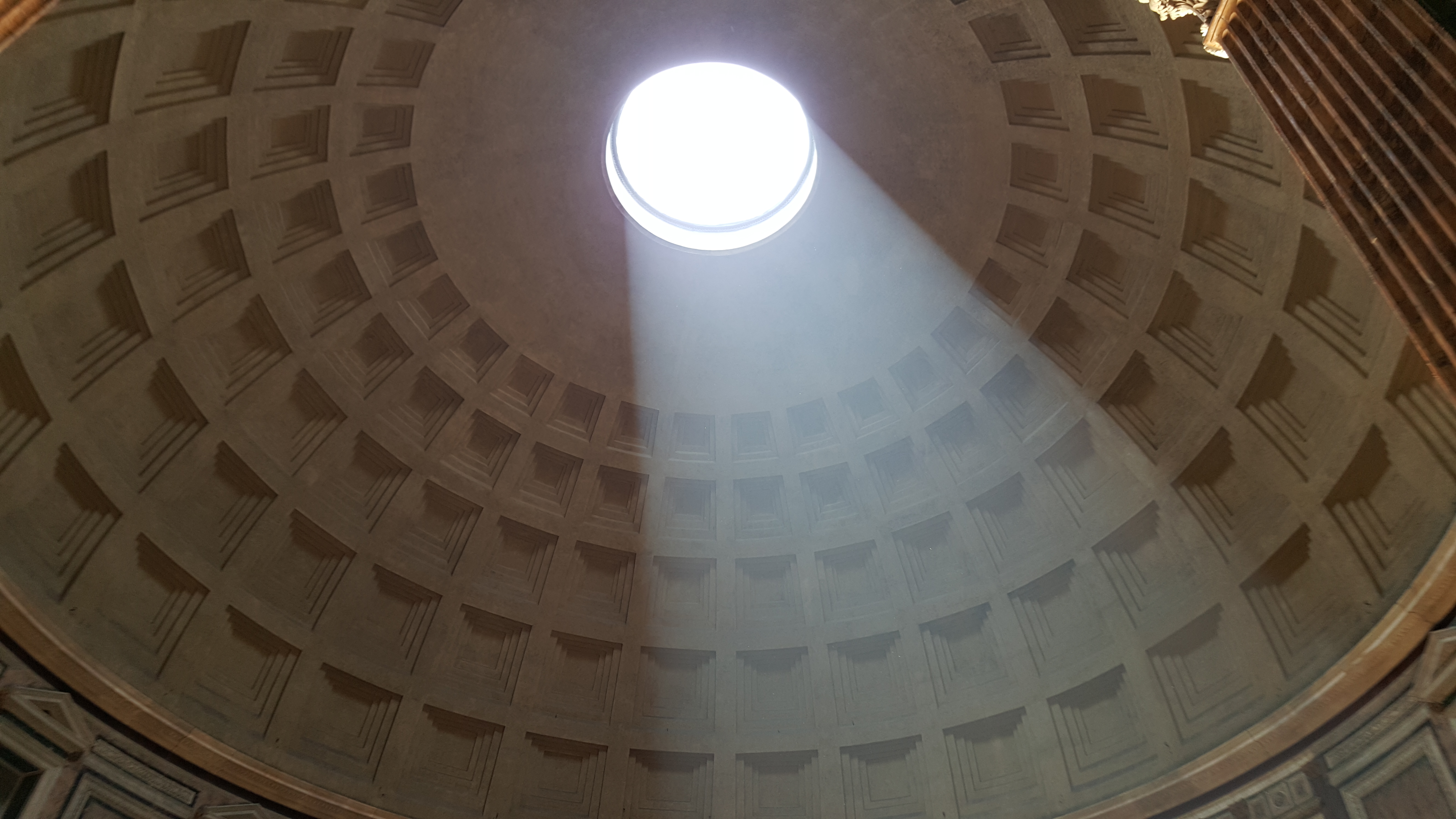
Its enormous unreinforced concrete dome has survived for nearly two millennia.
The circular opening at its center—the oculus—is both architectural and structural. Sunlight moves through it during the day, turning the interior into a changing geometric space.
Again, I kept wondering how Roman builders reasoned about materials, geometry, loads, and construction sequencing without anything resembling modern structural-analysis software.
The Appian Way
We also walked part of the Appian Way, one of Rome’s most famous ancient roads.
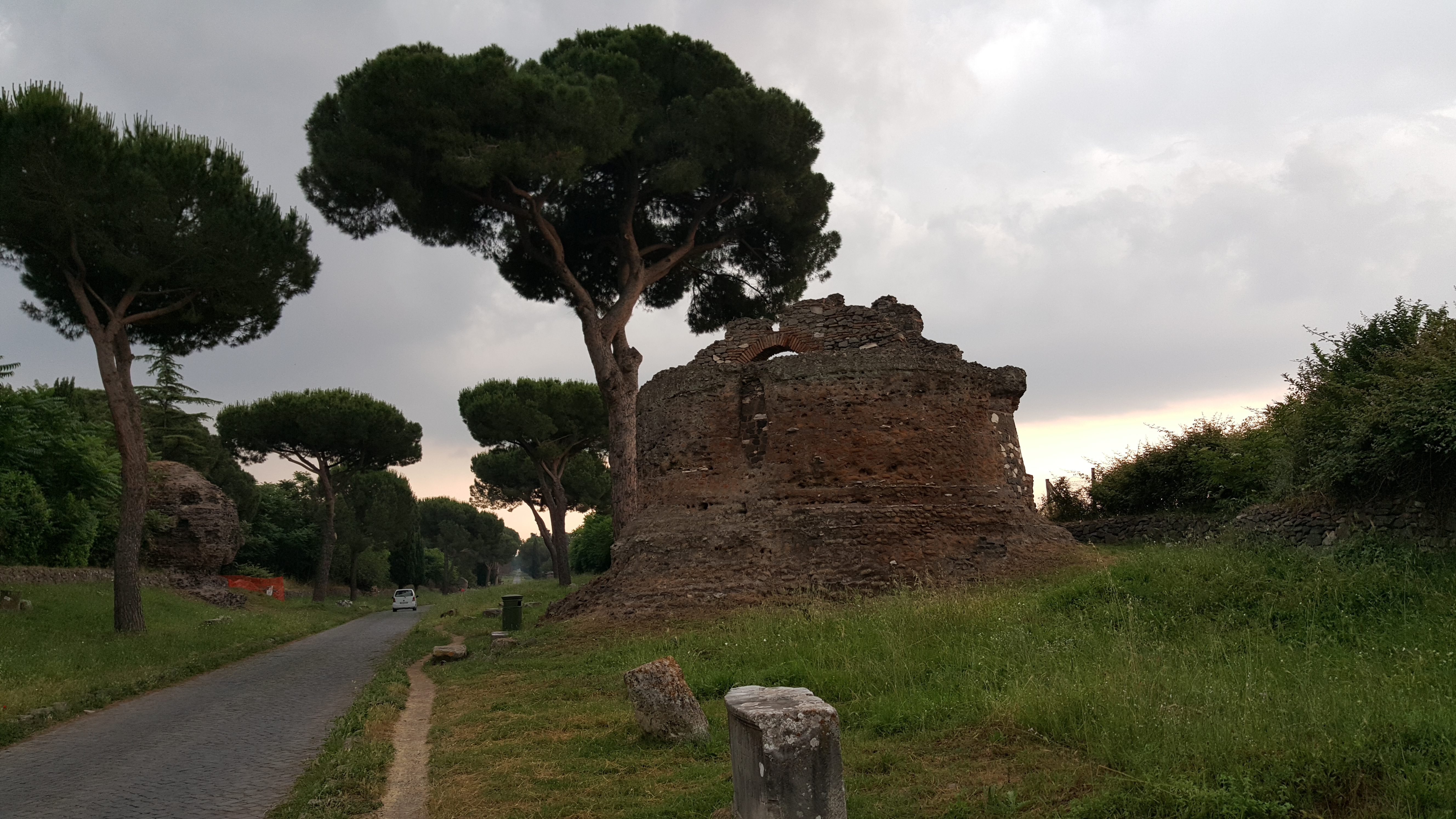
The road originally connected Rome southward through the Italian peninsula and became part of the enormous Roman transportation network.
Roads may look less spectacular than cathedrals or aqueducts, but infrastructure like this helped make the Roman world function.
Spanish Steps
We also stopped at the Spanish Steps.
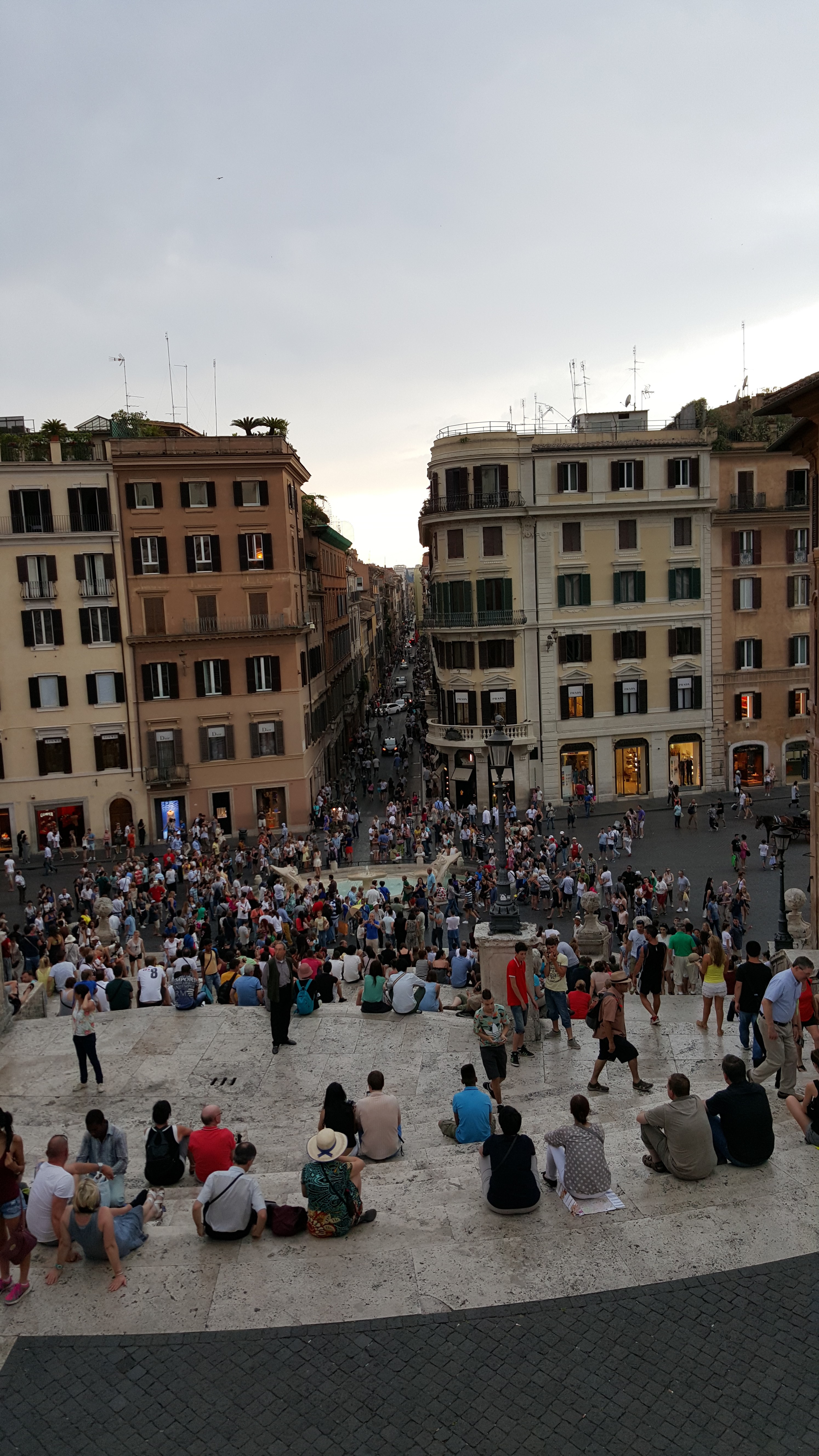
Built in the 18th century, the staircase connects Piazza di Spagna below with the Trinità dei Monti area above.
Vatican City
Vatican City added yet another layer of architecture, art, religion, and history.
St. Peter’s Basilica
The scale of St. Peter’s Basilica is difficult to understand until you are inside it.
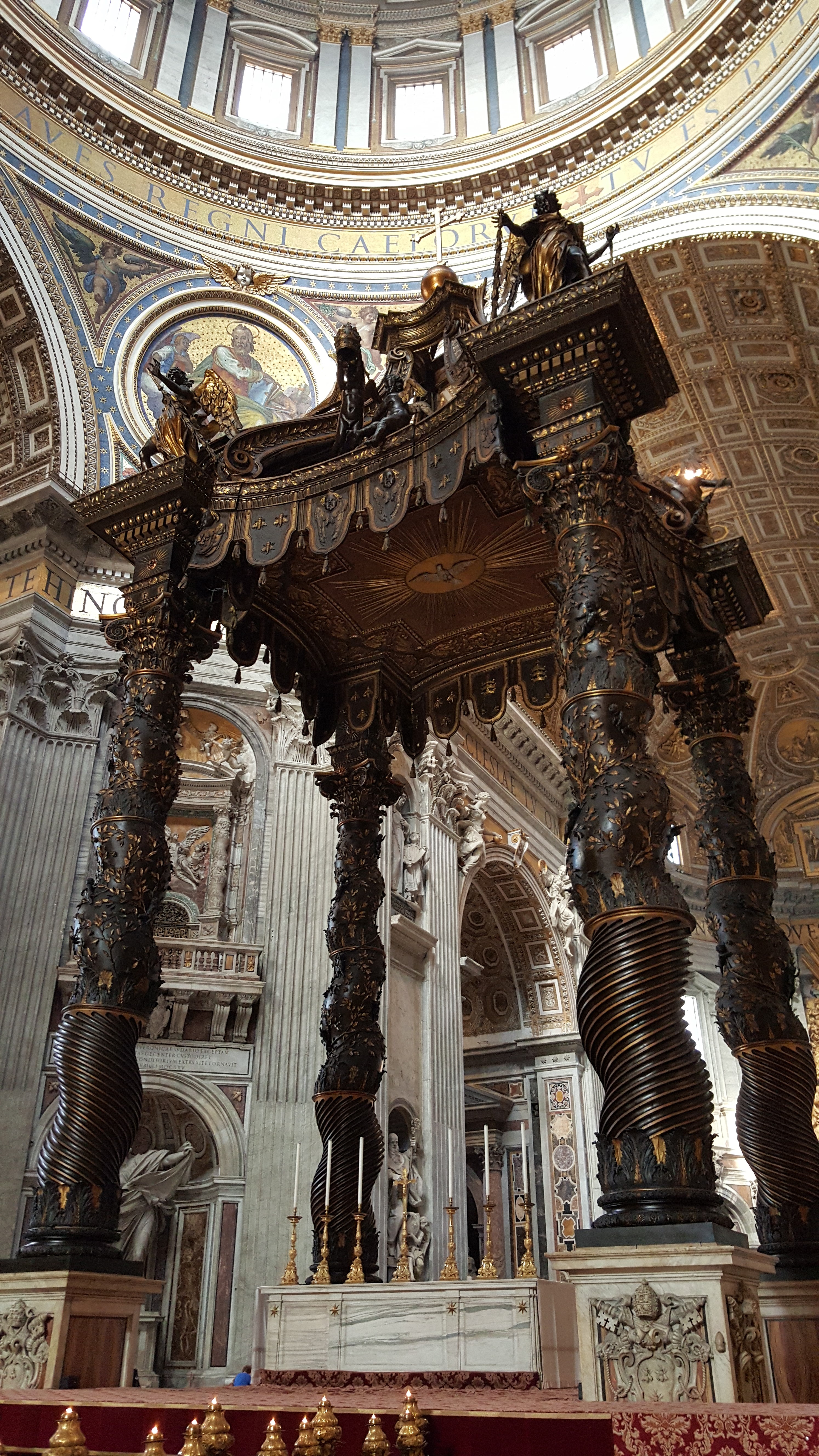
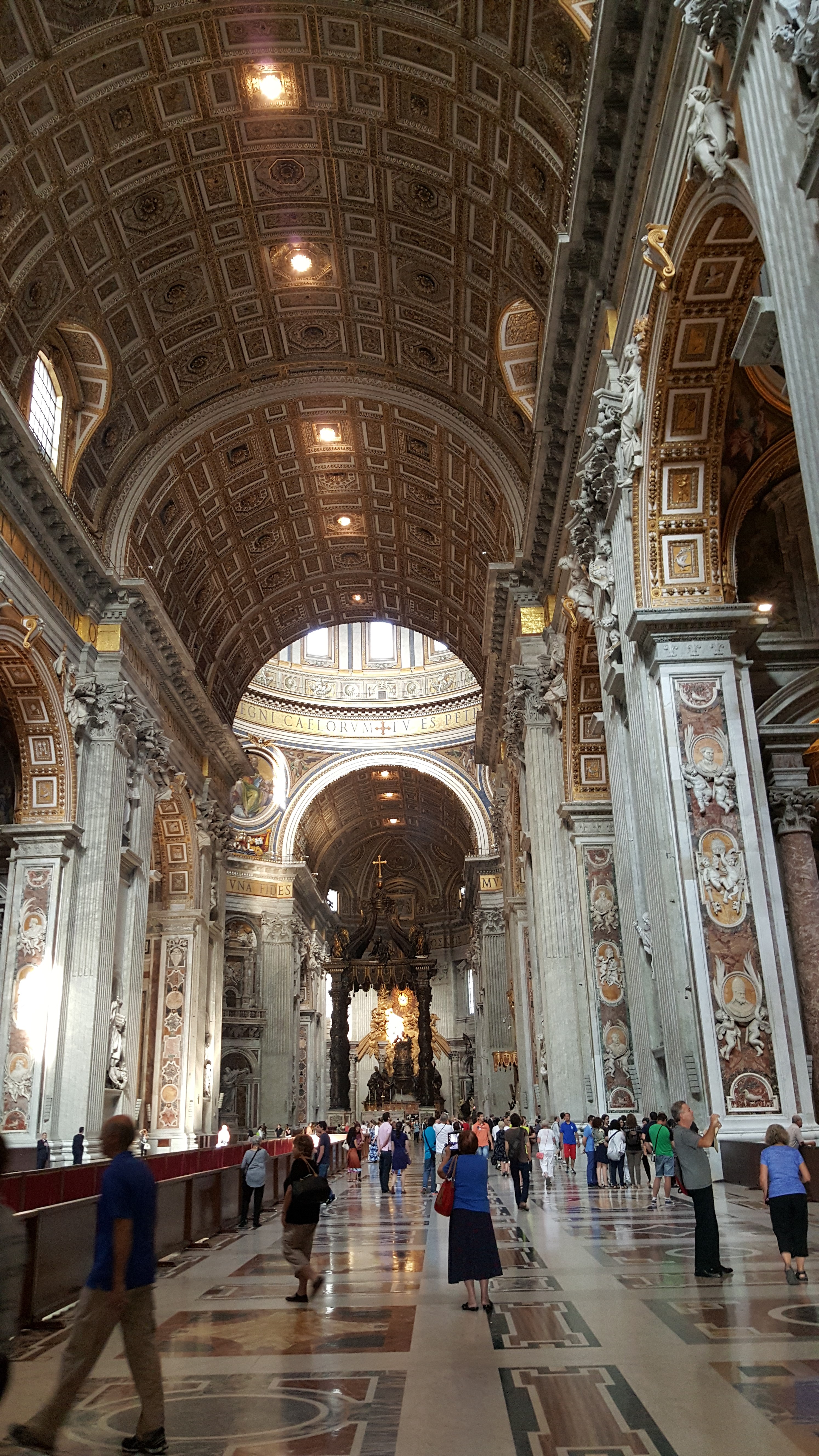
Like Florence’s cathedral, St. Peter’s made me think about the relationship between structure and art.
Domes, piers, vaults, columns, stone, and geometry create the physical space, but the architecture is designed to produce an emotional response at the same time.
The basilica maintains official visitor information and hours.
The Sistine Chapel
Then there was the Sistine Chapel.
I spent so long looking up at Michelangelo’s ceiling that my neck hurt.
That immediately made me think: if my neck hurt from simply standing there looking at it, what must Michelangelo have felt like while actually painting it?
The ceiling was painted between 1508 and 1512, and the enormous fresco of The Last Judgment behind the altar followed later.
Photography is restricted inside the chapel, so I do not have an image from inside—and in a way I am glad. It forced me to actually stand there and look.
The Vatican Museums provide current information through the official Sistine Chapel pages and the Vatican Museums website.
What Architecture Taught Me
One of the strongest themes running through the entire trip was that architecture is never just appearance.
Buildings are solutions to physical problems.
A cathedral has to transfer enormous loads into the ground.
A bridge has to span a river.
A castle has to respond to attack.
An aqueduct has to maintain a tiny gradient over long distances.
A dome has to remain stable while creating a huge uninterrupted interior.
A factory has to coordinate people, machines, materials, information, and production flow.
A city has to connect all of these systems together.
That realization was probably why this study abroad mattered so much to me.
I was studying leadership and innovation, but I was also constantly seeing examples of humans solving problems using the tools available to them at a particular moment in history.
From Ancient Engineering to Automation
The strangest thing about looking back at the trip is how logically the ancient and modern pieces now fit together.
At the Roman Baths and Pont du Gard, I saw water infrastructure engineered thousands of years ago.
At Florence Cathedral and the Pantheon, I saw structural problems solved through geometry and material understanding.
At castles, I saw architecture optimized around security and defense.
At MINI and Airbus, I saw modern manufacturing optimized around sensors, automation, precision, robotics, logistics, and software.
The technologies were separated by centuries, but the underlying behavior was the same:
Humans kept observing problems, inventing tools, and building systems that had never existed before.
That was probably the most important lesson I took home.
Useful Links & Places to Explore
For anyone planning a similar trip or wanting to learn more:
- MINI Plant Oxford: Official factory tours · BMW Group Plant Oxford
- Airbus Toulouse: Let’s Visit Airbus · Aeroscopia · Airbus A380
- Oxford: University of Oxford visitor information
- London: Tower Bridge · Tower of London · Big Ben · V&A · Platform 9¾
- Windsor: Windsor Castle · Changing the Guard
- Bath: Roman Baths
- Stonehenge: English Heritage
- Dover: Dover Castle · White Cliffs of Dover
- Edinburgh: Edinburgh Castle
- Paris: Eiffel Tower · Notre-Dame · Louvre · Palais Garnier
- Loire Valley: Château de Chenonceau
- Carcassonne: Official tourism office
- Chocolate truffles: Chambéry Montagnes
- Pont du Gard: Official site
- Monaco: Visit Monaco
- Florence: Florence Cathedral · Brunelleschi’s Dome · Ponte Vecchio · Galleria dell’Accademia / David
- Rome: Colosseum Archaeological Park · Roman Forum · Pantheon · Appian Way · Spanish Steps
- Vatican City: St. Peter’s Basilica · Vatican Museums
Final Thoughts
I originally thought this study abroad would primarily be a chance to see Europe while earning course credit.
Instead, it altered the way I thought about engineering.
The art and architecture of Florence made me appreciate what human beings could build with geometry, materials, craft, and imagination. Rome demonstrated how infrastructure could survive for millennia. Castles showed how engineering responded to politics and warfare. London and Paris showed how cities continuously layer new technology over old systems.
And then the factories showed me something different.
Watching robots work inside MINI Plant Oxford and seeing an A380 being assembled in Toulouse gave me a glimpse of engineering that felt futuristic.
I went to Europe thinking mostly about structures.
I came home thinking about systems.
I still loved buildings and construction, but I had started asking new questions about machines, code, sensors, controls, automation, and the technologies that connect the digital and physical worlds.
At the time, I did not know where those questions would lead.
I only knew I wanted to keep following them.